

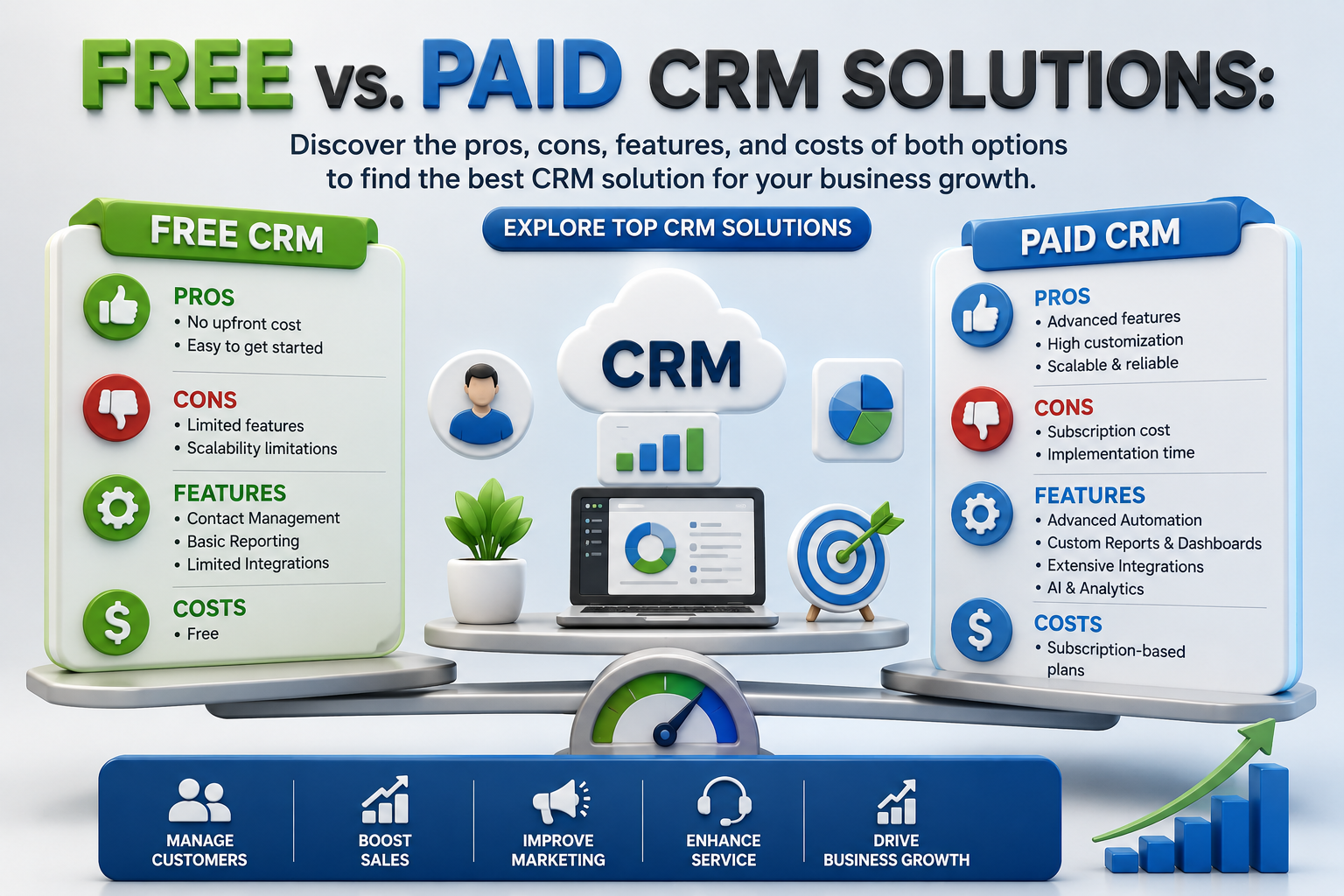
In today’s competitive business environment, maintaining strong customer relationships is no longer optional. Companies of all sizes are investing in CRM solutions to streamline customer interactions, improve sales performance, and enhance overall business efficiency. However, one common question many organizations face is whether they should choose a free CRM or invest in a paid platform.
While both options offer valuable features, the right choice depends on your business’s size, growth plans, budget, and operational requirements. Understanding the differences between free and paid CRM solutions can help you make a well-informed decision that supports both your current needs and future goals.
Understanding Free CRM Solutions
Free CRM platforms are designed to provide basic customer management capabilities without requiring an upfront investment. These systems are particularly attractive to startups, freelancers, and small businesses with limited budgets.
Benefits of Free CRM Solutions
1. No Initial Cost
The biggest advantage of free CRM software is obvious; there is no financial commitment. Businesses can start managing contacts, tracking leads, and organizing sales activities without paying monthly subscription fees.
2. Easy Implementation
Most free CRM platforms are designed for quick setup and user-friendly adoption. Teams can often begin using the software within hours, rather than spending weeks on deployment.
3. Ideal for Small Teams
Businesses with a small customer base and simple sales processes may find that free CRM solutions provide all the functionalities they need initially.
4. Opportunity to Test CRM Benefits
If your organization is new to CRM technology, a free platform allows you to understand how customer relationship management works before investing in a premium solution.
Limitations of Free CRM Solutions
Despite their advantages, free CRM systems often come with restrictions.
Limited Features
Many free plans exclude advanced tools such as workflow automation, AI-powered analytics, custom reporting, and marketing automation.
User Restrictions
Some platforms limit the number of users, contacts, or records that can be stored.
Limited Customer Support
Free users often receive minimal support, relying mainly on FAQs, forums, or knowledge bases rather than dedicated customer service.
Scalability Challenges
As your business grows, free CRM platforms may struggle to support more complex operations and larger customer databases.
Understanding Paid CRM Solutions
Paid CRM software offers a more comprehensive set of tools designed to support growing businesses and enterprise-level organizations. These platforms typically operate on monthly or annual subscription models.
Benefits of Paid CRM Solutions
1. Advanced Features
Paid CRM solutions provide access to powerful capabilities, including:
These features help businesses optimize operations and improve decision-making.
2. Better Customization
Every business has unique processes. Paid CRM systems usually allow deeper customization, ensuring the software aligns with your specific workflows.
3. Enhanced Customer Support
Premium CRM providers generally offer dedicated customer service, onboarding assistance, training resources, and technical support.
4. Greater Scalability
As your customer base and team expand, paid CRM solutions can accommodate increased demand without affecting performance.
5. Improved Security
Data security is critical for modern businesses. Paid CRM platforms often include stronger security measures such as advanced encryption, user permissions, access controls, and compliance features.
Drawbacks of Paid CRM Solutions
Higher Costs
Subscription fees can become significant, especially for larger teams requiring multiple user licenses.
Learning Curve
Advanced features may also require additional training and onboarding before employees can fully utilize the system.
Additional Customization Expenses
Some premium features, integrations, and custom development options may incur extra costs beyond the base subscription fee.
Free vs. Paid CRM: Key Comparison Factors
Budget
If your organization is operating with just limited resources, a free CRM may be the logical starting point. However, businesses should also consider the long-term return on investment rather than just focusing solely on upfront costs.
Paid CRM systems often generate substantial value through improved productivity, lead conversion rates, and customer retention.
Business Size
Small startups and solo entrepreneurs may function effectively with basic CRM tools. However, medium-sized and larger organizations often require the automation and reporting capabilities available in paid platforms.
Growth Plans
Businesses expecting rapid growth should carefully evaluate scalability. Switching CRM systems later can be time-consuming and disruptive. Choosing a scalable solution from the beginning may save significant effort in the future.
Team Collaboration
Paid CRM solutions typically offer better collaboration tools, helping departments work together more effectively through shared customer data, task management, and communication features.
Integration Requirements
Modern businesses rely on multiple software tools such as email platforms, accounting systems, marketing software, and customer support applications. Paid CRM systems generally offer broader integration options, creating a more efficient technology ecosystem.
Who Should Choose Free CRM Solutions?
Free CRM software is often the best choice for:
If your customer base is relatively small and your processes are straightforward, a free CRM may provide sufficient functionality.
Who Should Choose Paid CRM Solutions?
Paid CRM platforms are ideal for:
For businesses seeking deeper customer insights and improved operational efficiency, paid CRM solutions often deliver greater value despite the additional investment.
Making the Right Decision
There is no universal answer to the free versus paid CRM debate. The best choice depends entirely on your organization’s objectives, budget, customer volume, and growth strategy.
A free CRM can serve as an excellent starting point for small businesses and startups. However, as operational complexity increases, the limitations of free platforms often become more noticeable. Paid CRM solutions provide advanced functionality, stronger support, better scalability, and enhanced security, making them a worthwhile investment for many growing businesses.
Before making a decision, evaluate your current requirements while also considering where your business will be in the next three to five years. Choosing a CRM that can grow alongside your company can help avoid costly migrations and operational disruptions later.
Final Thoughts
Both free and paid CRM solutions offer valuable benefits. Free platforms provide an accessible entry point for smaller organizations, while paid systems deliver the advanced capabilities required for sustained growth and customer relationship management excellence.
The key is finding a CRM solution that aligns with your business goals, operational needs, and future vision.
Visit https://crmsystems.net/ today to discover the right CRM platform that can help your business improve customer relationships, streamline operations, and drive long-term success.
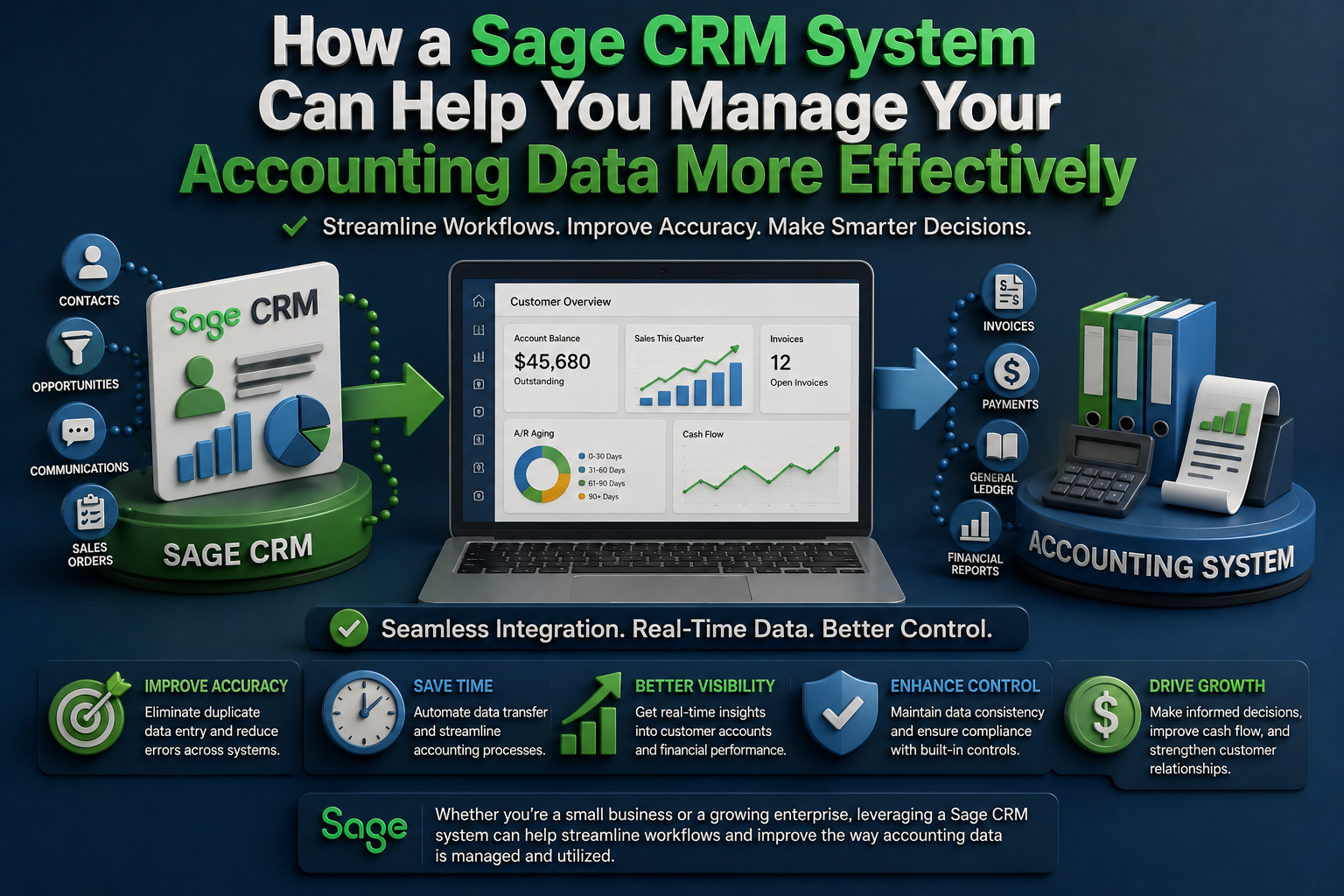
How a Sage CRM System Can Help You Manage Your Accounting Data More Effectively
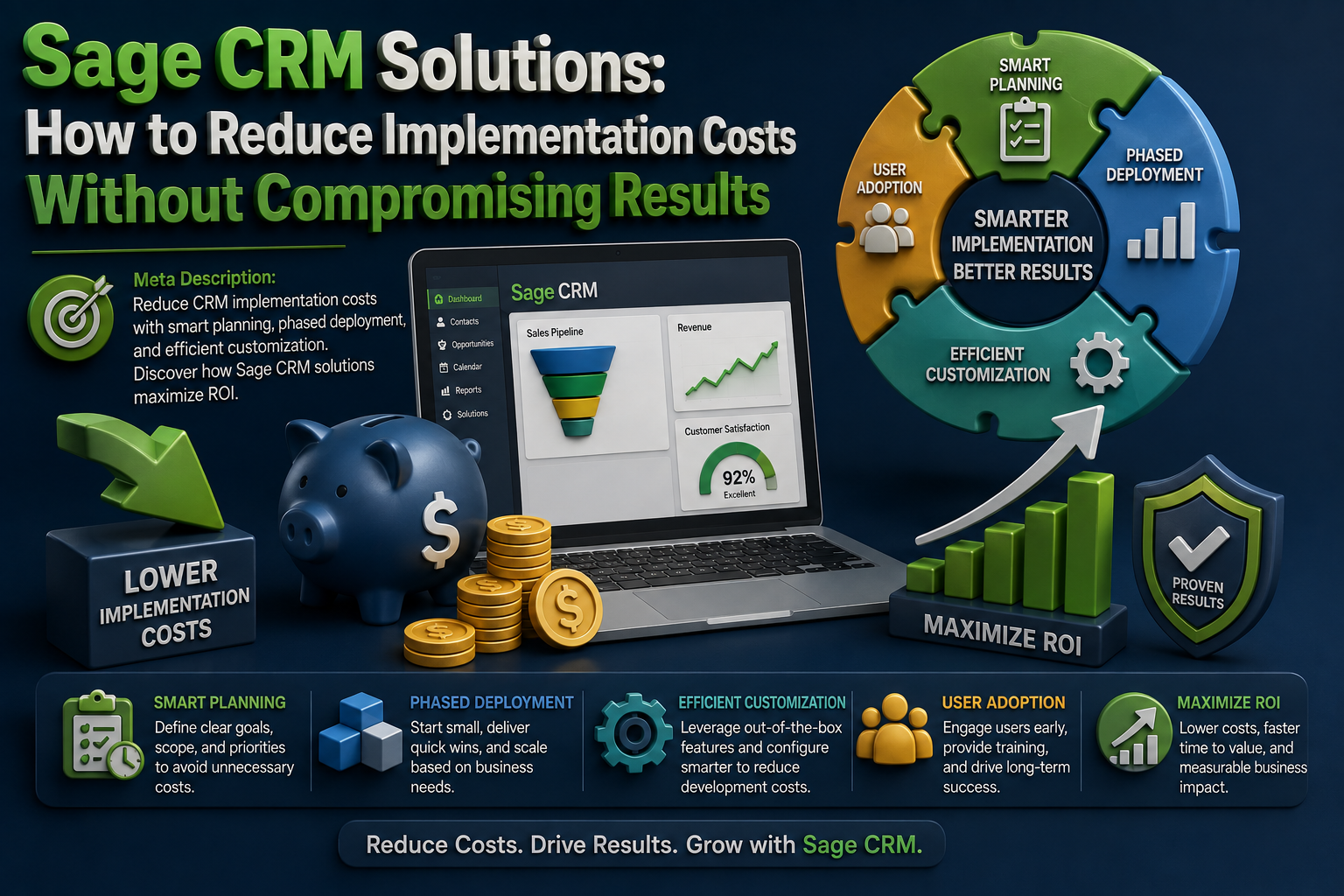
Sage CRM Solutions: How to Reduce Implementation Costs Without Compromising Results
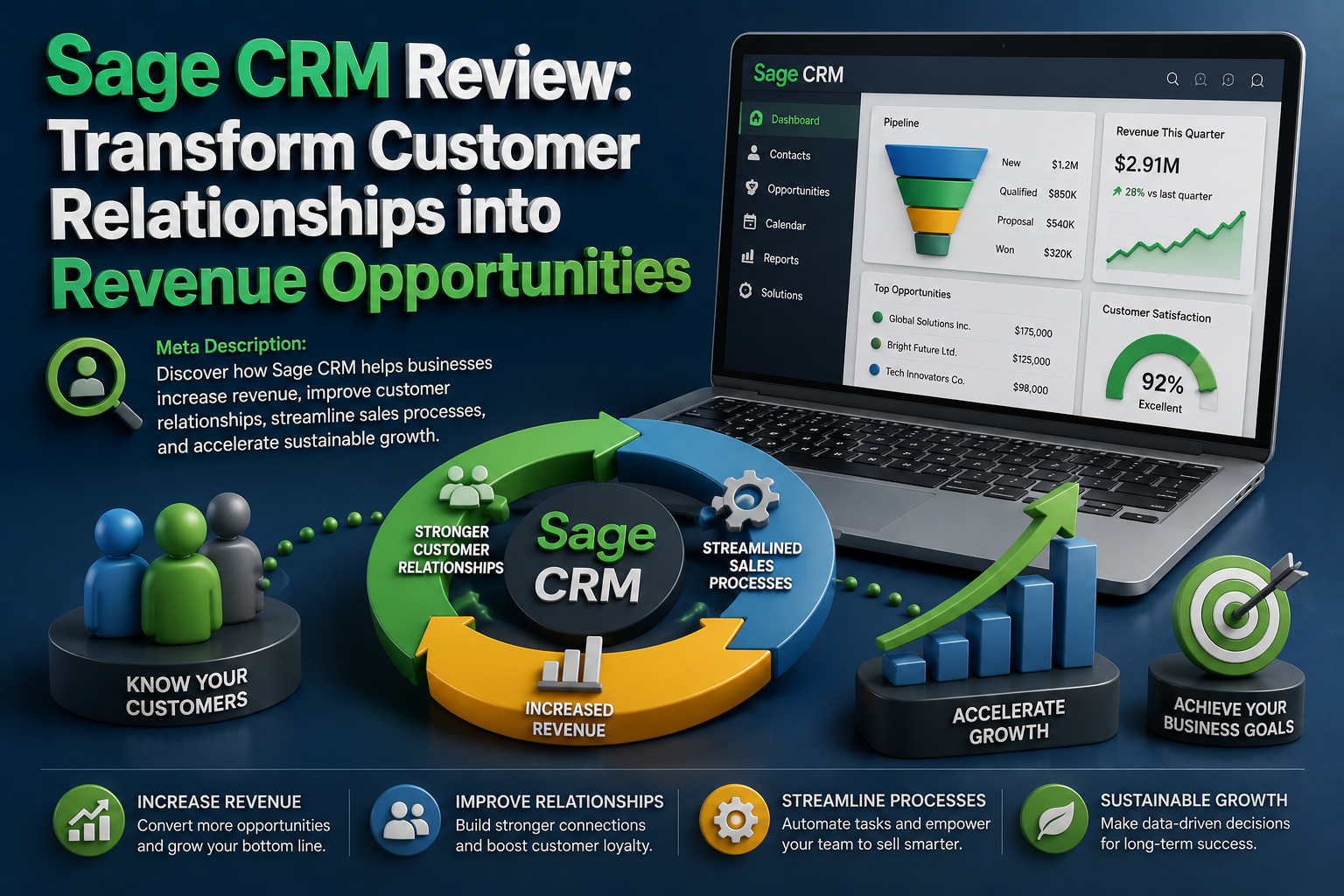
Sage CRM Review: Transform Customer Relationships into Revenue Opportunities
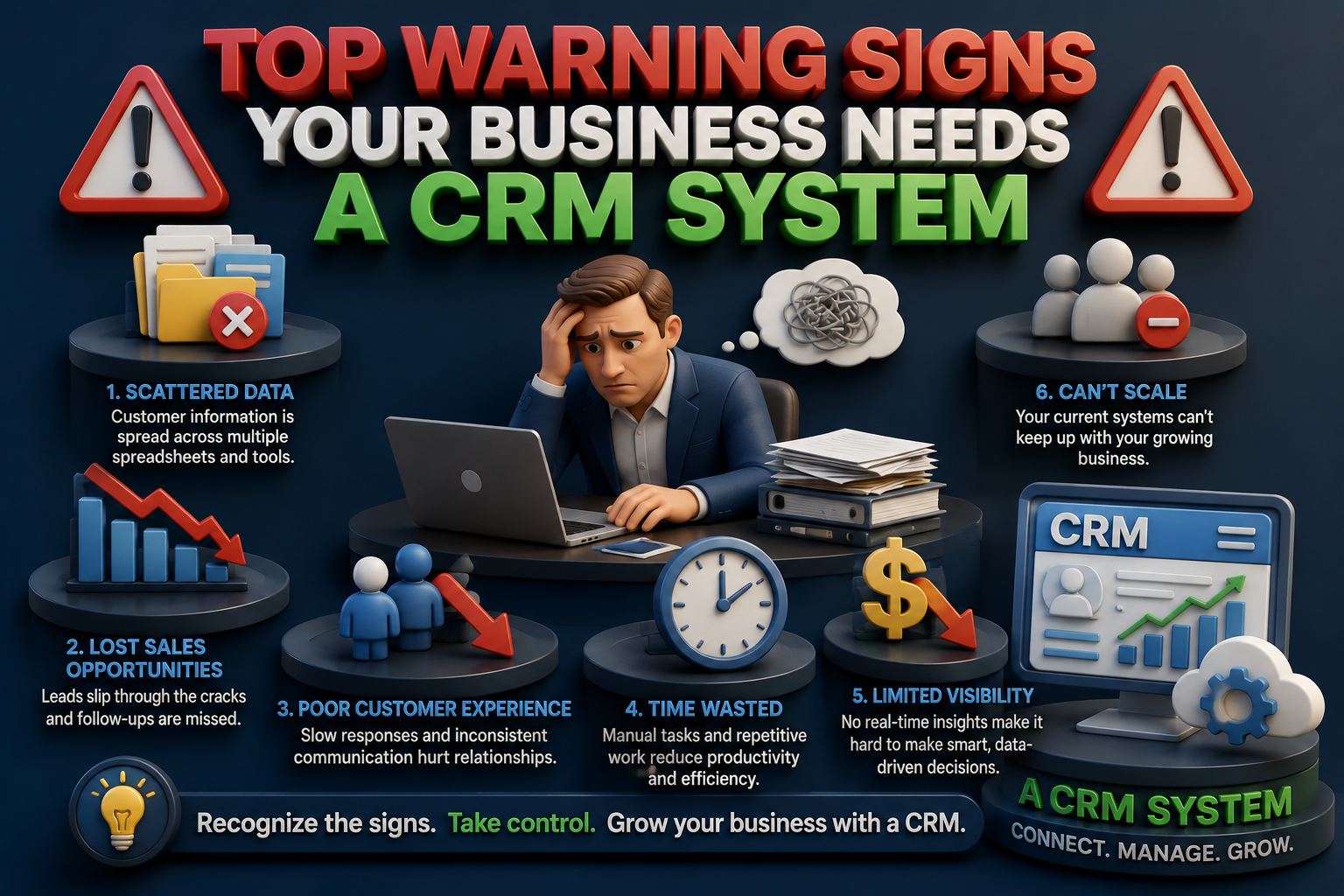
Top Warning Signs Your Business Needs a CRM System
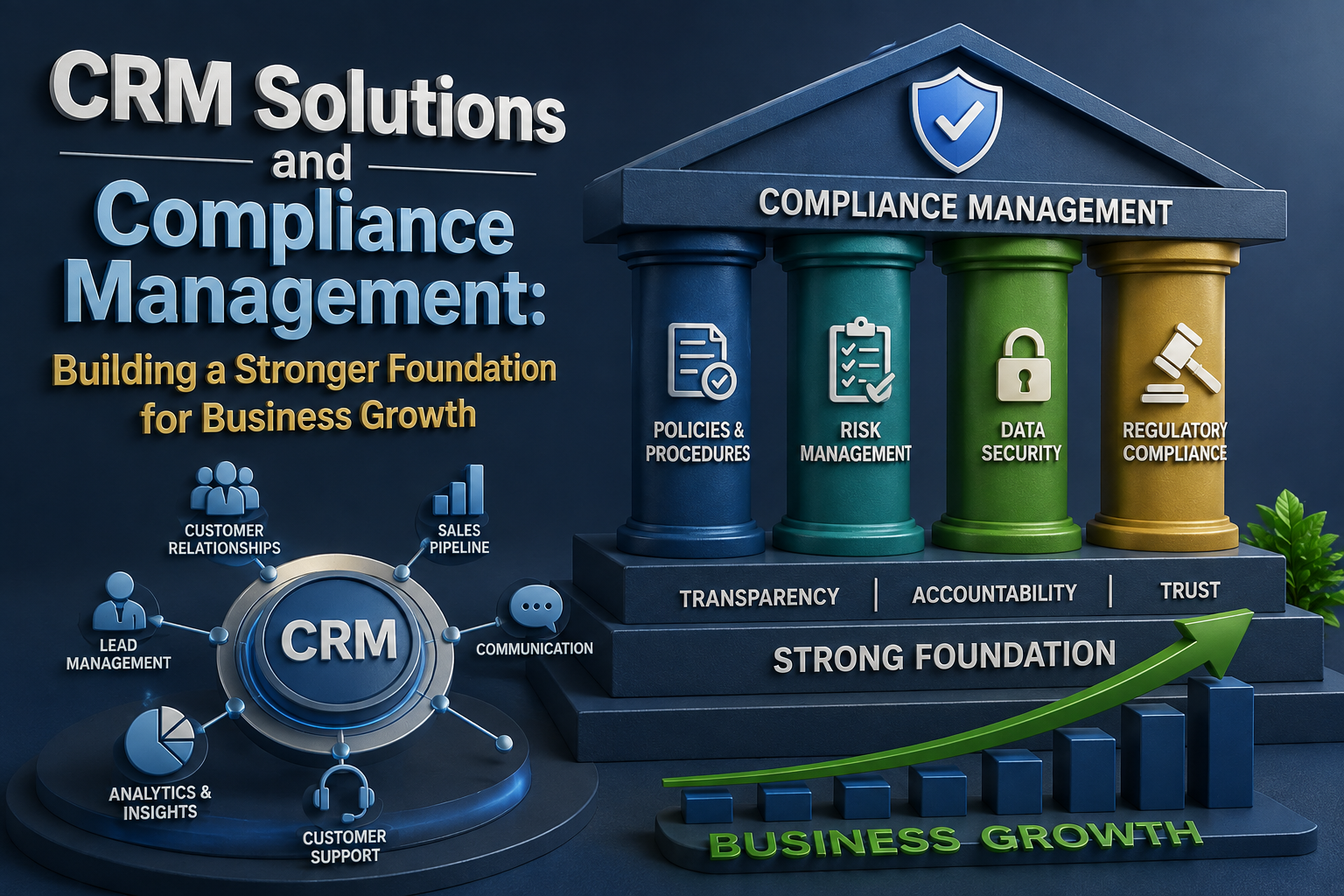
CRM Solutions and Compliance Management: Building a Stronger Foundation for Business Growth