

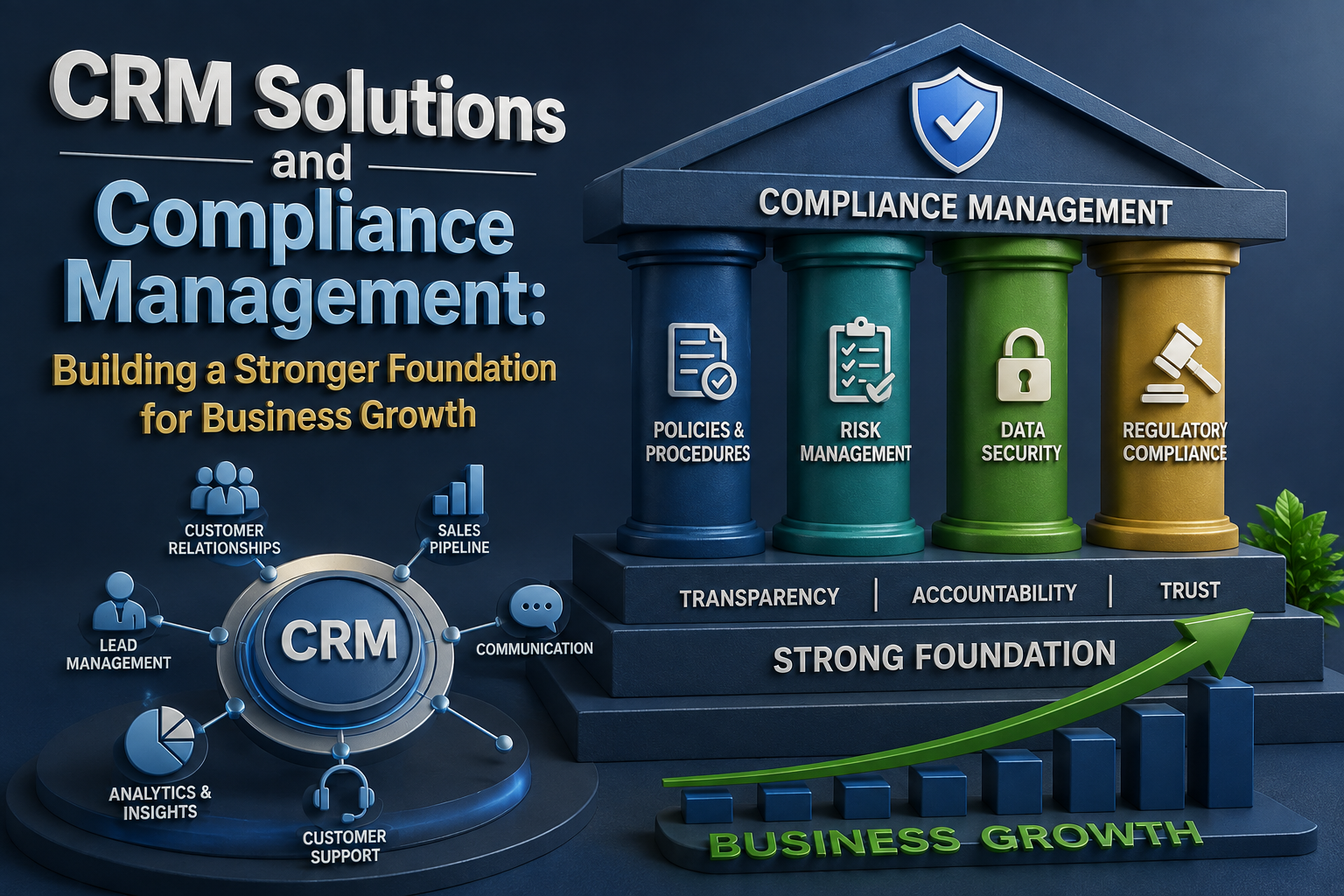
In today’s highly regulated business environment, organizations are under constant pressure to manage customer relationships effectively while ensuring compliance with the industry regulations, data protection laws, and internal governance policies. As businesses grow, maintaining accurate customer records, tracking interactions, managing documentation, and meeting compliance obligations can become increasingly complex. This is where modern CRM solutions play a critical role.
Far more than just customer databases, CRM solutions have evolved into strategic business platforms that help organizations streamline operations, improve customer engagement, and strengthen compliance management. By centralizing information and automating key processes, businesses can reduce risks, enhance transparency, and maintain regulatory readiness.
Understanding the Connection Between CRM and Compliance
Compliance management involves adhering to legal, regulatory, and organizational requirements that govern business operations. Depending on the industry, these requirements may include data privacy regulations, financial reporting standards, customer communication guidelines, audit requirements, and record retention policies.
Managing compliance manually through spreadsheets, emails, and disconnected systems often leads to inconsistencies, missed deadlines, and increased risk exposure. Organizations need a structured approach that provides visibility, accountability, and traceability across customer-facing activities.
Modern CRM solutions address these challenges by creating a centralized repository for customer data, communication history, documents, approvals, and workflow activities. This centralization ensures that every critical information is easily accessible, secure, and auditable.
Why Compliance Matters in Customer Relationship Management
Customer interactions generate significant amounts of information, including personal details, contracts, service records, communication logs, and transaction histories. Organizations are responsible for handling this data responsibly and in accordance with applicable regulations.
Failure to maintain compliance can result in:
A robust CRM platform helps organizations establish processes that support compliance while simultaneously improving operational efficiency.
Key Ways CRM Solutions Support Compliance Management
Centralized Data Management
One of the most significant advantages of CRM solutions is the ability to consolidate customer information into a single platform. Instead of storing records across multiple systems, users can access customer data, communication history, contracts, and documentation from one source.
This centralized approach reduces data duplication, improves accuracy, and ensures that teams work with consistent information across departments.
Enhanced Data Security
Protecting customer information is a critical compliance requirement for businesses across industries. CRM solutions help organizations implement controlled access to sensitive data through role-based permissions and user authentication mechanisms.
By restricting access to the authorized users, organizations can easily reduce the risk of unauthorized data exposure and strengthen their overall security posture.
Complete Audit Trails
Compliance often requires organizations to demonstrate who performed specific actions and when those actions occurred. CRM solutions provide comprehensive audit trails that track updates, approvals, document modifications, customer interactions, and workflow activities.
These records create transparency and make it easier to respond to regulatory inquiries, internal audits, and compliance reviews.
Automated Workflow Management
Manual processes increase the very likelihood of human error and missed compliance requirements. CRM solutions automate repetitive tasks such as approvals, notifications, follow-ups, and document routing.
Automation ensures that critical actions are completed according to established procedures while reducing administrative workload for employees.
Document Control and Record Keeping
Proper documentation is essential for both compliance and customer service. CRM solutions allow organizations to store contracts, agreements, supporting documents, communication records, and compliance-related files within a structured environment.
Having readily accessible documentation improves operational efficiency and simplifies audit preparation.
Benefits of CRM Solutions for Regulated Industries
Organizations operating in regulated sectors often face stricter compliance requirements. Industries such as healthcare, financial services, insurance, manufacturing, legal services, and professional consulting must maintain detailed records and demonstrate accountability.
CRM solutions help these organizations by:
As regulatory expectations continue to evolve, businesses need technology platforms capable of adapting to changing compliance requirements.
Improving Accountability Across the Organization
A strong compliance framework depends on clear ownership and accountability. CRM solutions help establish responsibility by assigning tasks, approvals, service requests, and customer activities to designated users.
Managers gain visibility into pending actions, completed tasks, and performance metrics through real-time dashboards and reporting tools. This transparency encourages accountability while ensuring that critical activities do not go unnoticed.
By creating structured workflows and approval processes, organizations can maintain consistency across departments and business functions.
Supporting Business Growth Without Increasing Risk
Growth often brings new challenges related to customer management, regulatory obligations, and operational complexity. As businesses expand into new markets or increase their customer base, manual compliance processes become increasingly difficult to manage.
CRM solutions provide scalable infrastructure that supports growth while maintaining governance and operational control. Through automation, centralized records, and advanced reporting capabilities, organizations can handle larger volumes of customer interactions without compromising compliance standards.
This balance between growth and governance is essential for long-term sustainability and competitive advantage.
Conclusion
Compliance management is no longer just a legal requirement; it is a critical component of effective business operations. Organizations that rely on disconnected systems and manual processes face greater risks, reduced visibility, and increased administrative burden.
By implementing modern CRM solutions, businesses can centralize customer information, automate workflows, strengthen accountability, improve security, and maintain audit-ready records. The result is a more efficient organization that can confidently manage customer relationships while meeting compliance obligations.
Visit https://crmsystems.net/ today to explore powerful CRM solutions.
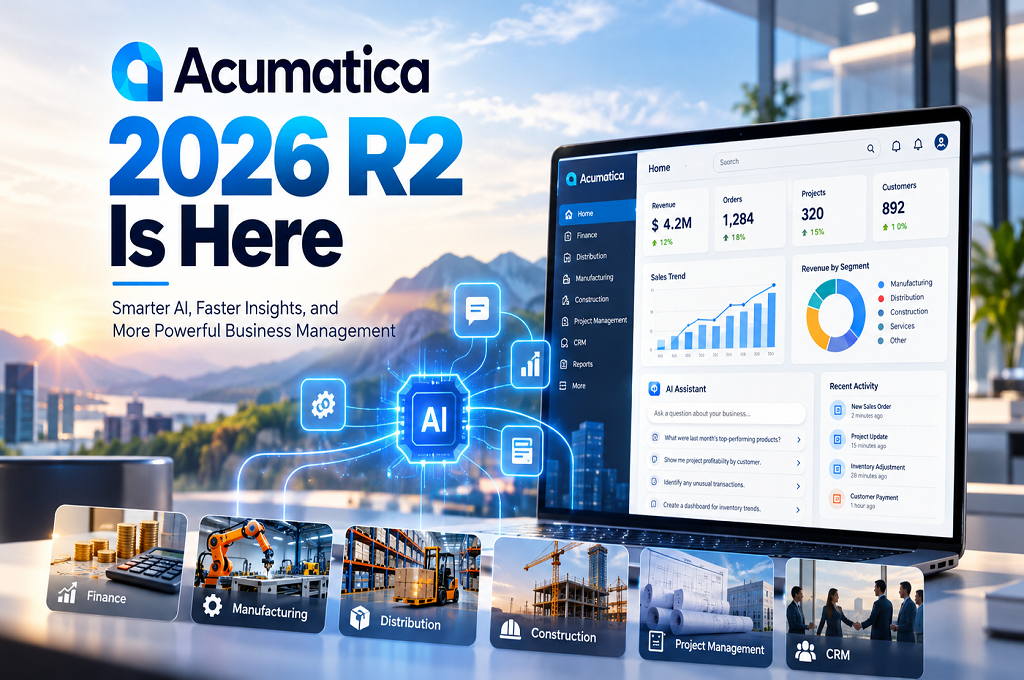
Acumatica 2026 R2 Is Here: What’s New?
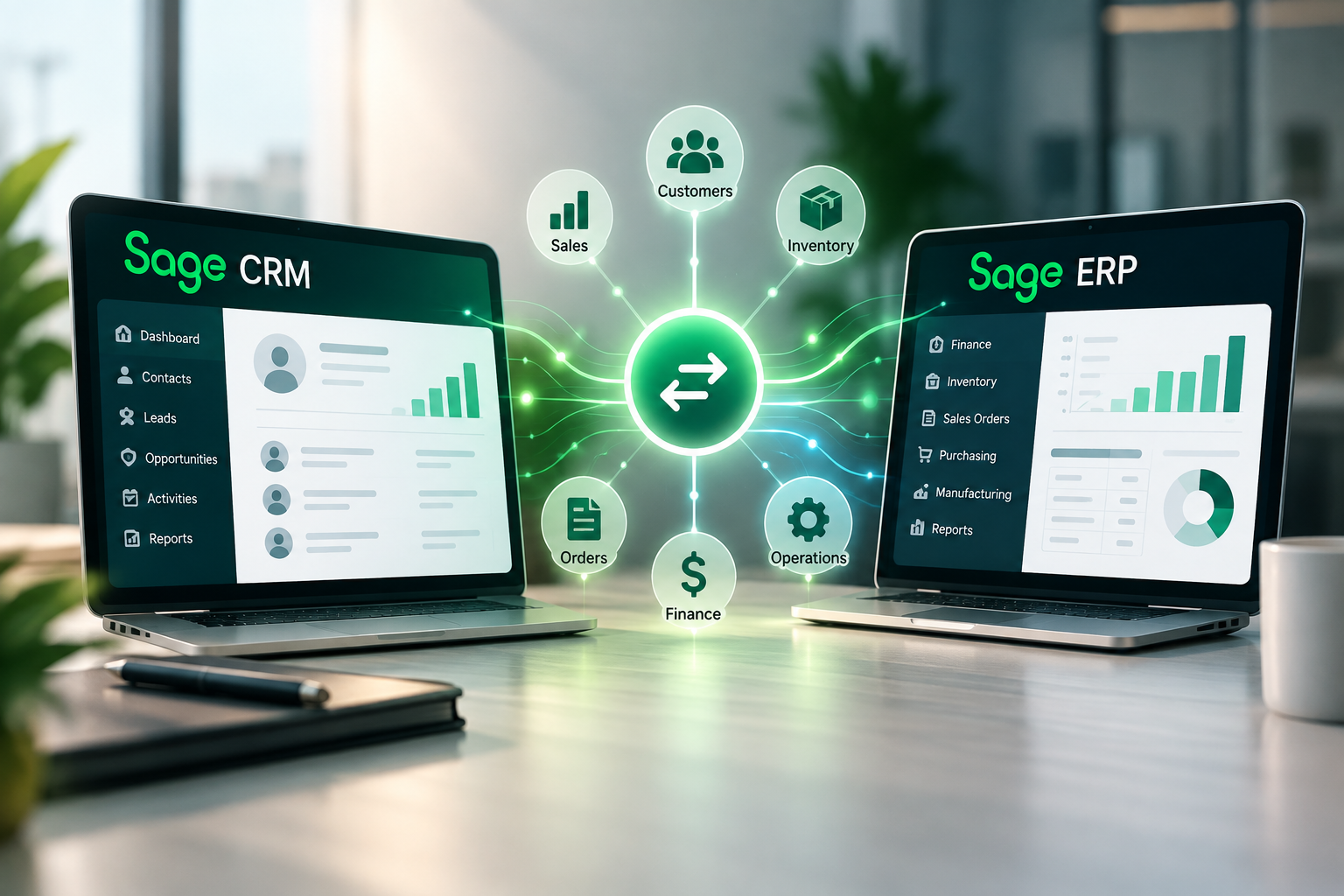
Sage CRM + Sage ERP Integration: Connecting Sales With the Rest of Your Business
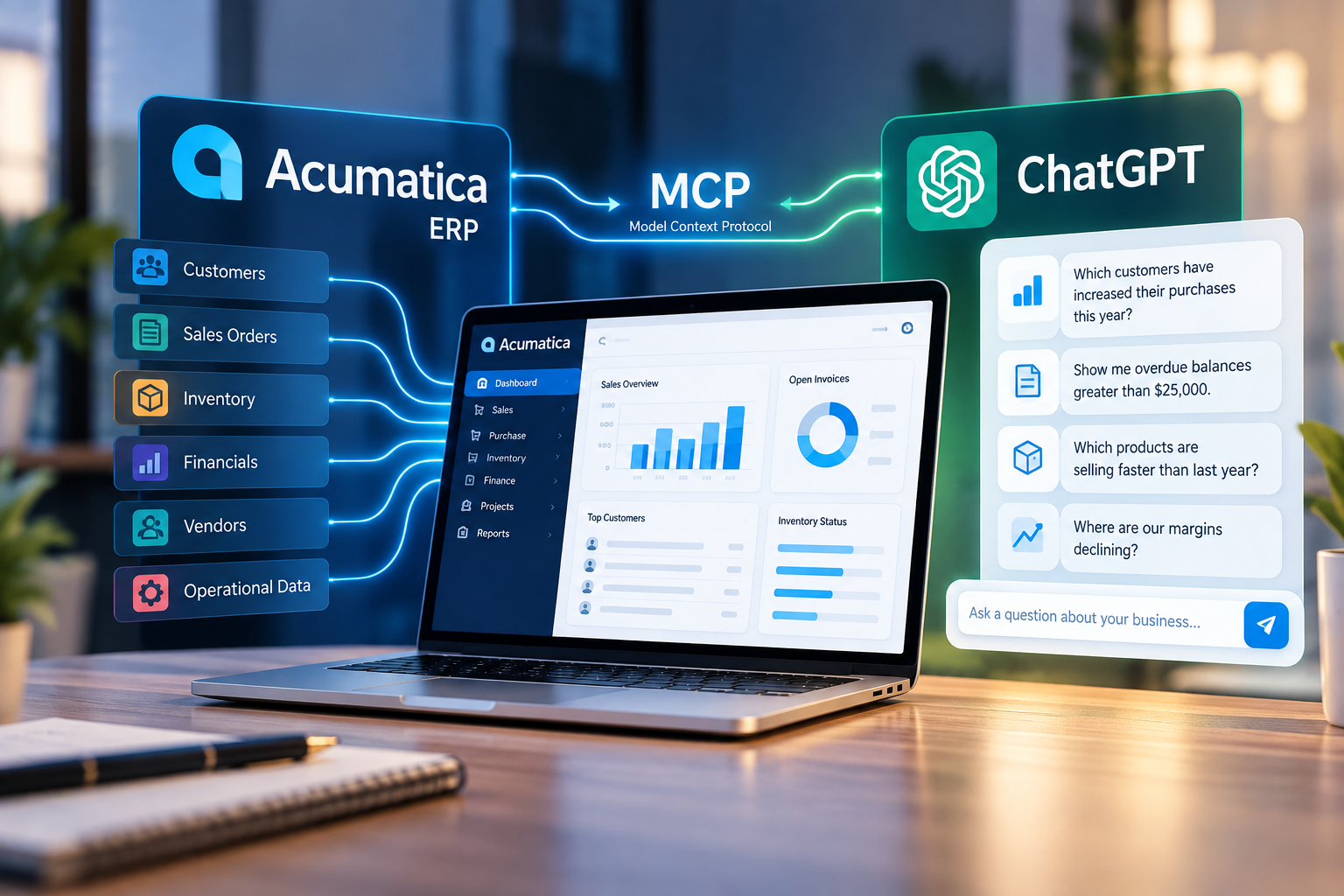
Acumatica + ChatGPT: What the New MCP Connection Means for Your Business
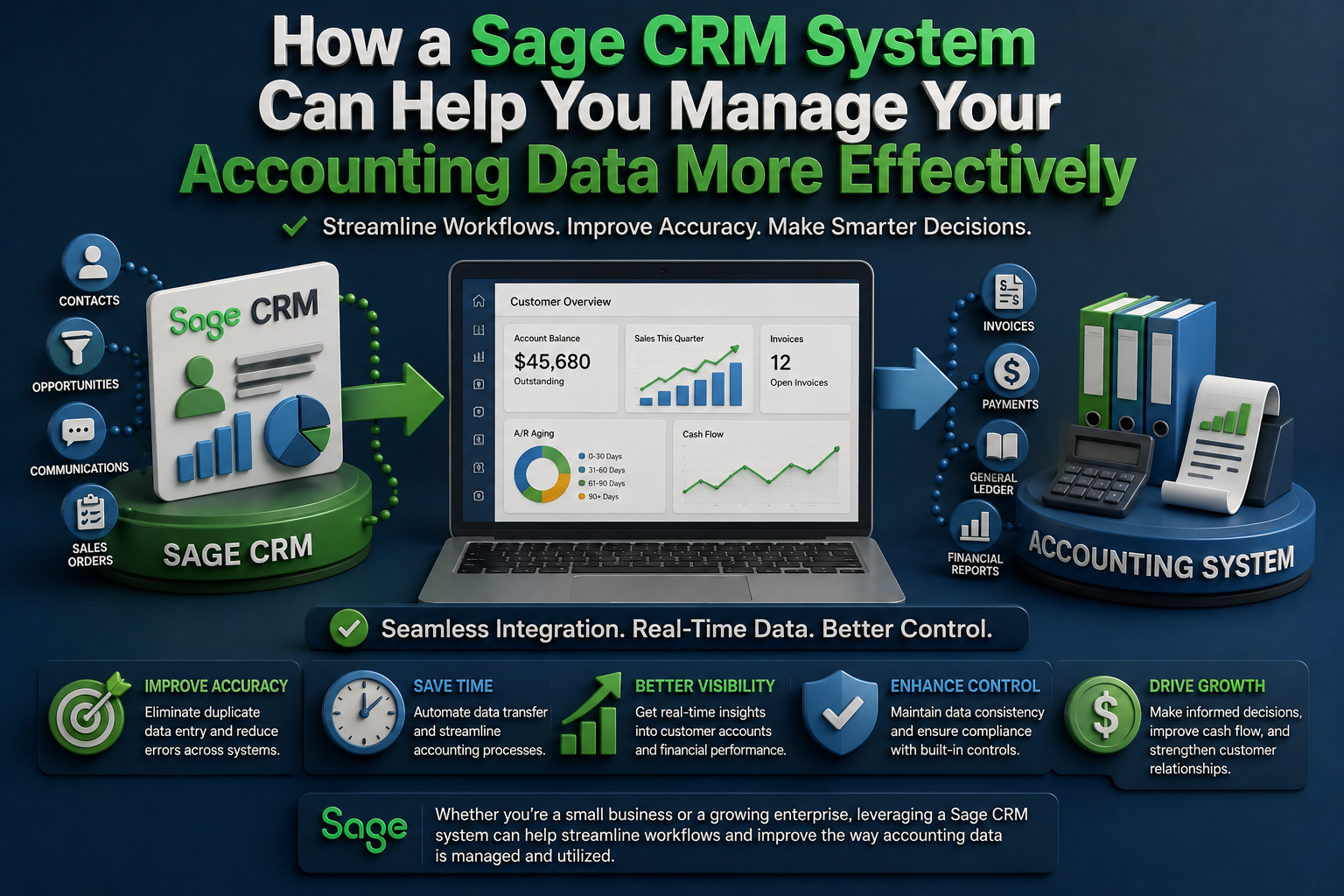
How a Sage CRM System Can Help You Manage Your Accounting Data More Effectively
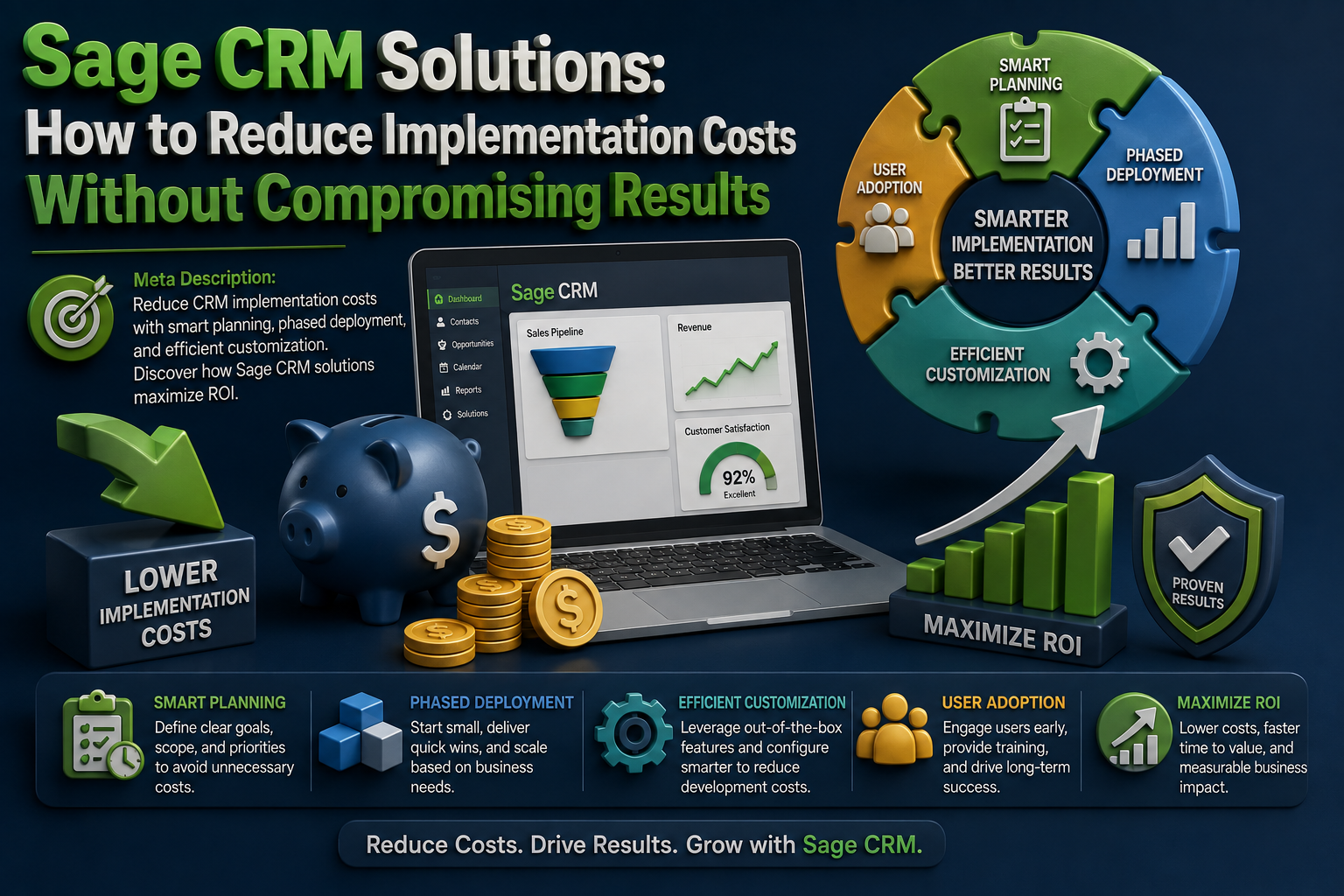
Sage CRM Solutions: How to Reduce Implementation Costs Without Compromising Results