

Running a business involves managing customer relationships, tracking sales opportunities, and ensuring no lead slips through the cracks. While spreadsheets, emails, and manual processes may work in the early stages, they often become inefficient as a business grows. This is where CRM systems become essential. A Customer Relationship Management (CRM) solution helps businesses organize customer data, improve communication, and streamline sales and marketing operations.
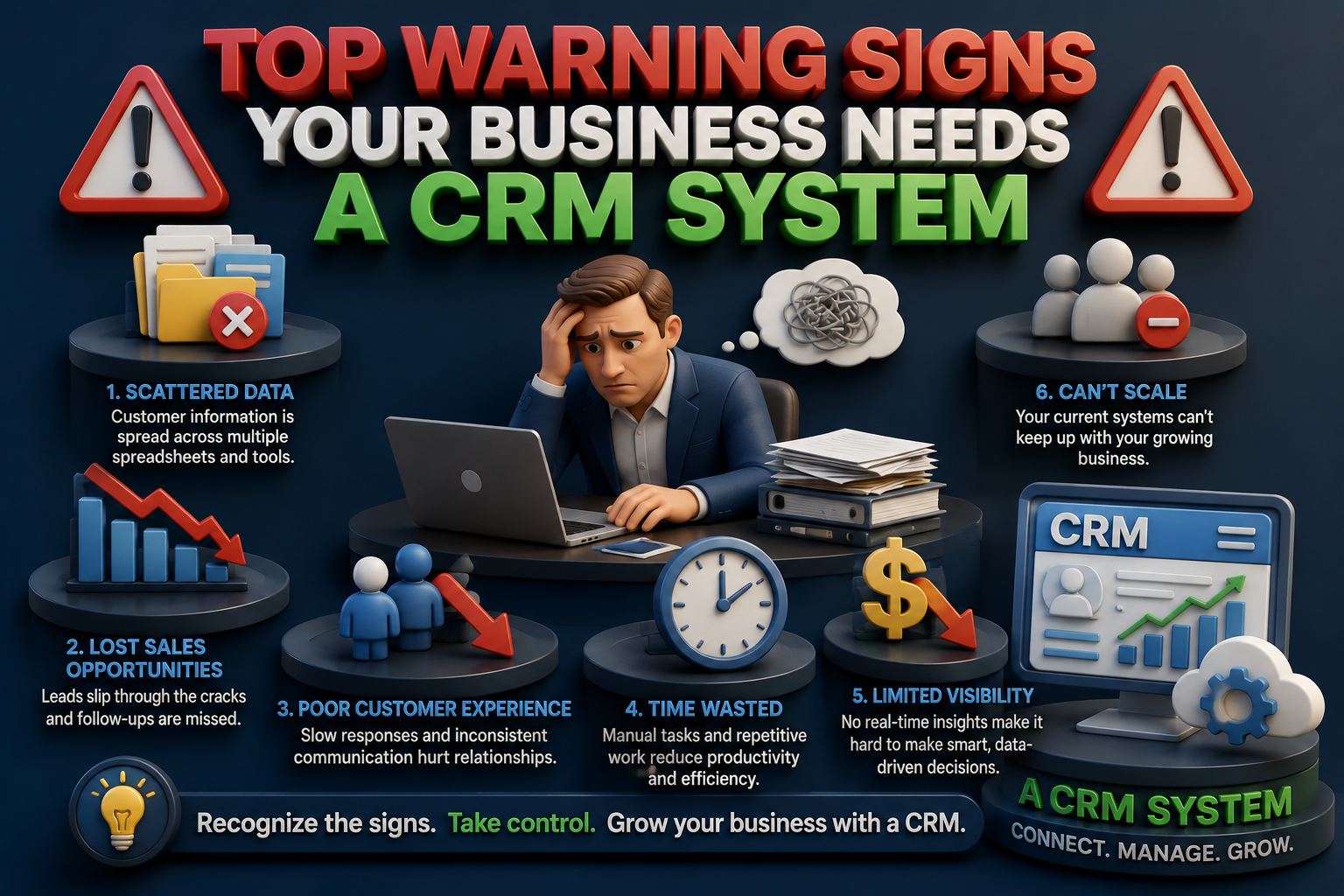
If you’re unsure whether your business is ready for a CRM solution, here are the top warning signs that indicate it’s time to invest in one.
1. Customer Information Is Scattered Everywhere
One of the biggest signs that your business needs a CRM is when customer data is spread across multiple platforms. Your sales team may store information in spreadsheets, emails, notebooks, or personal devices, making it difficult to access accurate customer records.
When information is fragmented, employees waste valuable time searching for customer details instead of building relationships and closing deals. CRM systems centralize all customer information in a single location, ensuring every team member has instant access to up-to-date data.
2. You’re Losing Track of Leads
Every lead represents a potential revenue opportunity. However, without a structured process, leads can easily get overlooked or forgotten.
If your team frequently asks questions like:
Then it’s a clear indication that manual tracking methods are no longer sufficient. CRM systems automate lead management, helping businesses track interactions, schedule follow-ups, and nurture prospects throughout the sales funnel.
3. Your Sales Team Misses Follow-Ups
Consistent follow-up is critical for converting prospects into customers. Yet many businesses struggle because sales representatives rely on memory or calendar reminders to manage their outreach.
Missed follow-ups can damage customer relationships and lead to lost sales opportunities. With CRM systems, automated reminders and task management features ensure that every prospect receives timely communication, increasing the likelihood of conversion.
4. Customer Service Is Inconsistent
Customers expect businesses to understand their history, preferences, and previous interactions. If customers repeatedly need to explain their issues to different employees, frustration grows quickly.
A CRM provides a complete customer history, including emails, phone calls, purchases, and support requests. This allows teams to deliver personalized and consistent service, resulting in much higher customer satisfaction rates and loyalty.
5. Reporting Takes Too Much Time
Many businesses spend hours manually compiling reports from spreadsheets and various software platforms. This process is not only time-consuming but also prone to errors.
If generating sales, marketing, or customer service reports feels like a major project, it’s time to consider CRM systems. Modern CRM solutions offer real-time dashboards and automated reporting features that provide valuable insights with just a few clicks.
6. Team Collaboration Is Challenging
Poor communication between departments often leads to duplicated efforts, missed opportunities, and customer frustration.
For example, marketing may generate leads that sales never contacts, or customer support may lack visibility into recent sales conversations. CRM systems create a shared workspace where teams can access the same customer details, improving collaboration and alignment across the organization.
7. Your Customer Base Is Growing Rapidly
Growth is exciting, but it also creates management challenges. As your customer base expands, manually tracking interactions becomes nearly impossible.
If you’re finding it difficult to maintain the same level of service you once provided, a CRM can help scale your operations efficiently. CRM systems allow businesses to manage thousands of customer relationships without sacrificing quality or responsiveness.
8. Sales Forecasting Is Inaccurate
Successful businesses rely on accurate forecasting to make informed decisions about hiring, budgeting, and growth strategies.
However, when sales data is scattered or incomplete, predicting future revenue becomes guesswork. CRM systems provide detailed pipeline visibility and analytics, helping managers forecast sales performance based on real-time data rather than assumptions.
9. Marketing Campaigns Lack Personalization
Today’s customers expect personalized experiences. Sending generic messages to your entire audience often leads to lower engagement and conversion rates.
If your marketing efforts feel disconnected from customer needs, a CRM can help. CRM systems collect valuable customer insights and segmentation data, allowing businesses to create specific and targeted campaigns that resonate with specific audiences.
10. You Have Difficulty Measuring Customer Retention
Acquiring new customers is extremely important, but retaining the existing ones is often more profitable. If you’re unsure why customers leave or how long they stay with your business, you’re missing critical information.
A CRM provides insights into customer behavior, engagement patterns, and purchase history. This data helps businesses identify retention opportunities and proactively address customer concerns before they lead to churn.
11. Administrative Tasks Consume Too Much Time
Many business owners and sales professionals spend significant portions of their day entering data, updating spreadsheets, and performing repetitive tasks.
These activities reduce productivity and limit the time available for revenue-generating work. CRM systems automate many routine processes, including data entry, follow-up reminders, workflow management, and reporting, allowing teams to focus on building customer relationships.
Final Thoughts
Recognizing these warning signs early can help your business avoid inefficiencies, missed opportunities, and customer dissatisfaction. Whether you’re struggling with lead management, reporting, customer service, or team collaboration, CRM systems offer the tools needed to streamline operations and support sustainable growth.
The right CRM solution can transform how your business manages customer relationships, improves productivity, and drives revenue. Don’t wait until manual processes slow your growth. Find the right CRM and start building stronger customer relationships today!
Ready to discover the best CRM solution for your business? Visit https://crmsystems.net/ today to explore expert reviews, comparisons, and resources that will help you choose the ideal CRM system for your organization’s unique needs.
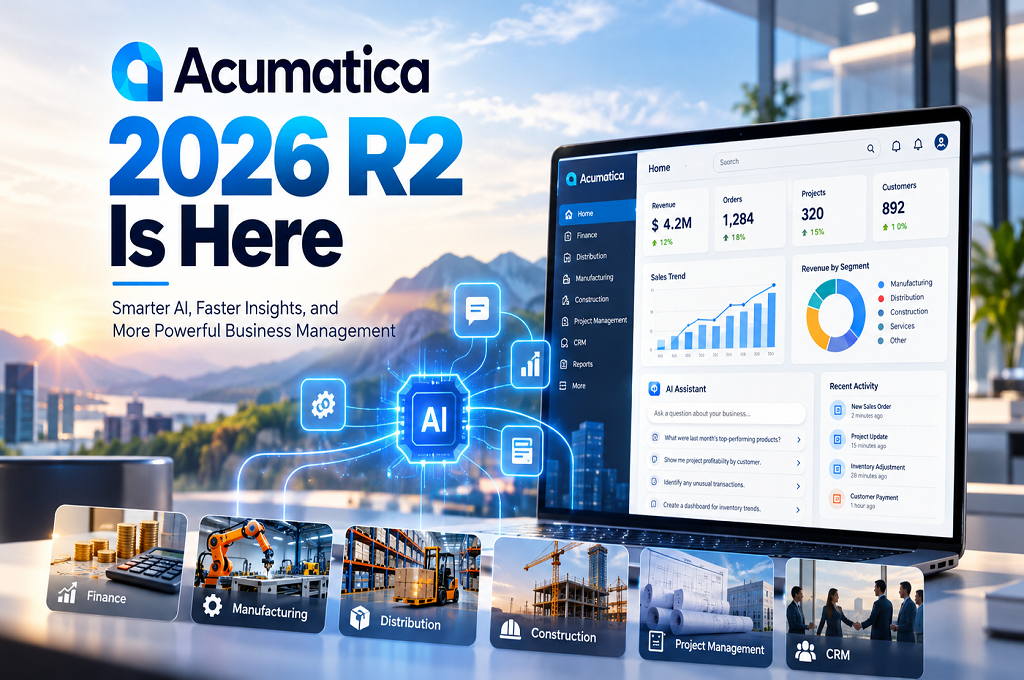
Acumatica 2026 R2 Is Here: What’s New?
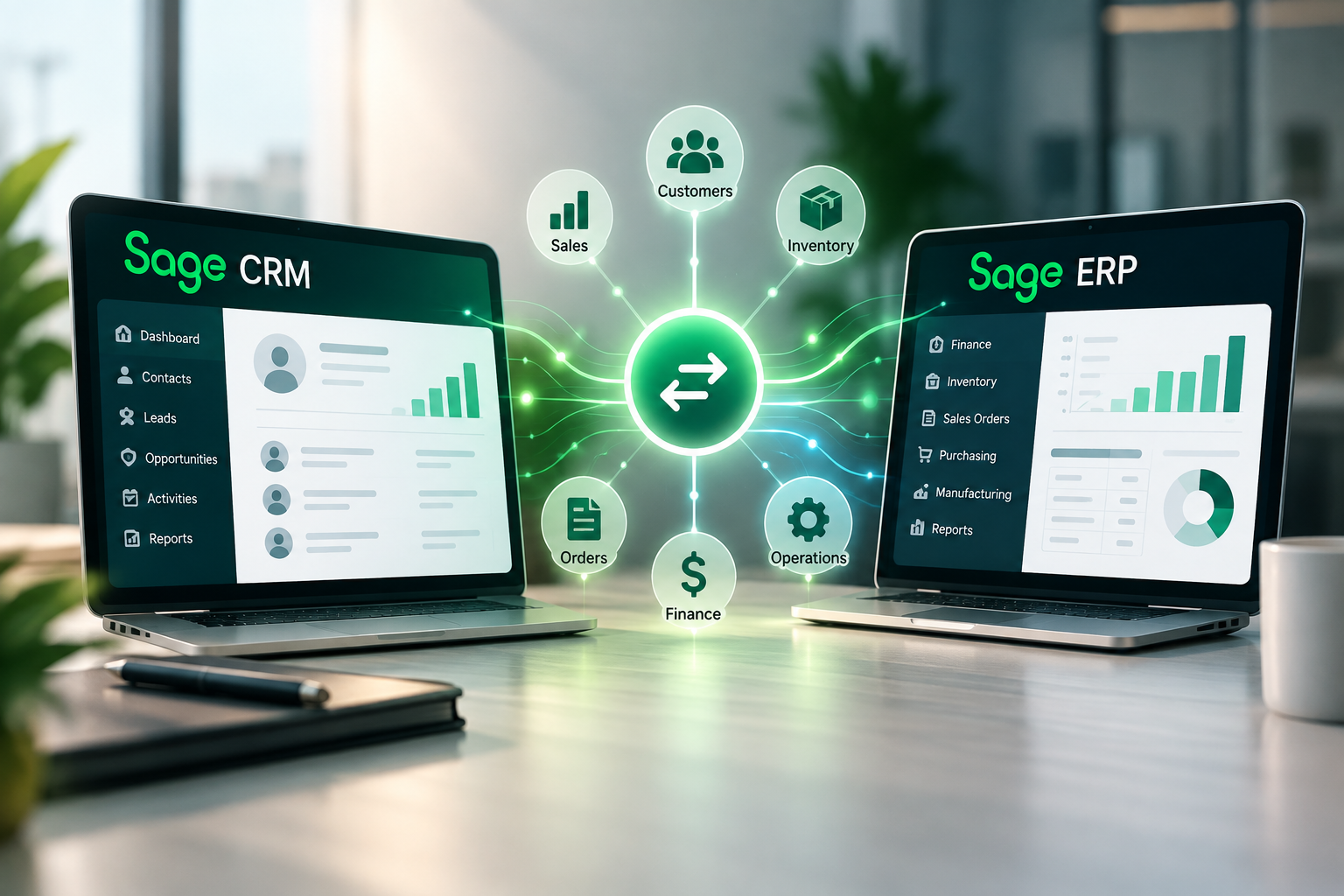
Sage CRM + Sage ERP Integration: Connecting Sales With the Rest of Your Business
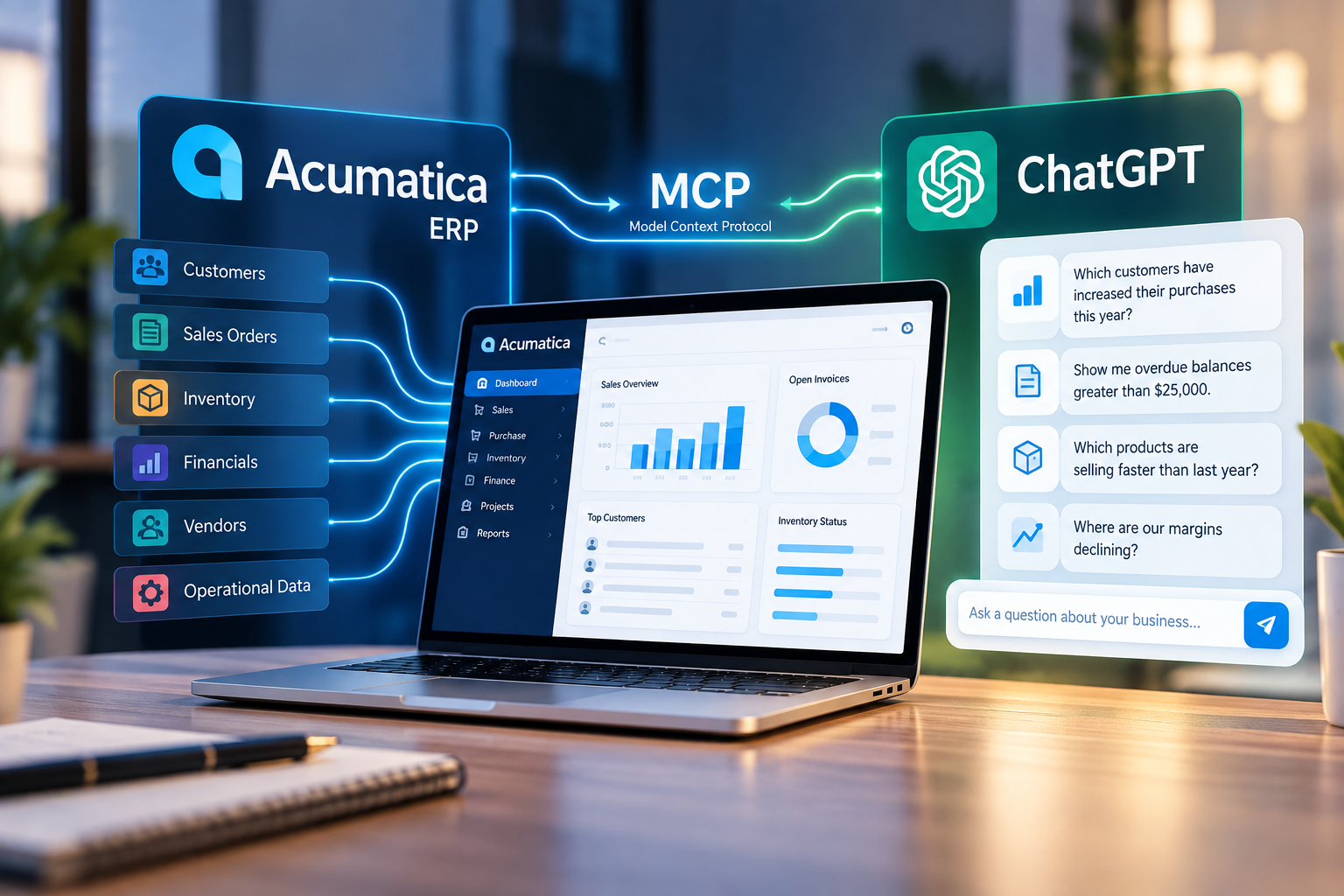
Acumatica + ChatGPT: What the New MCP Connection Means for Your Business
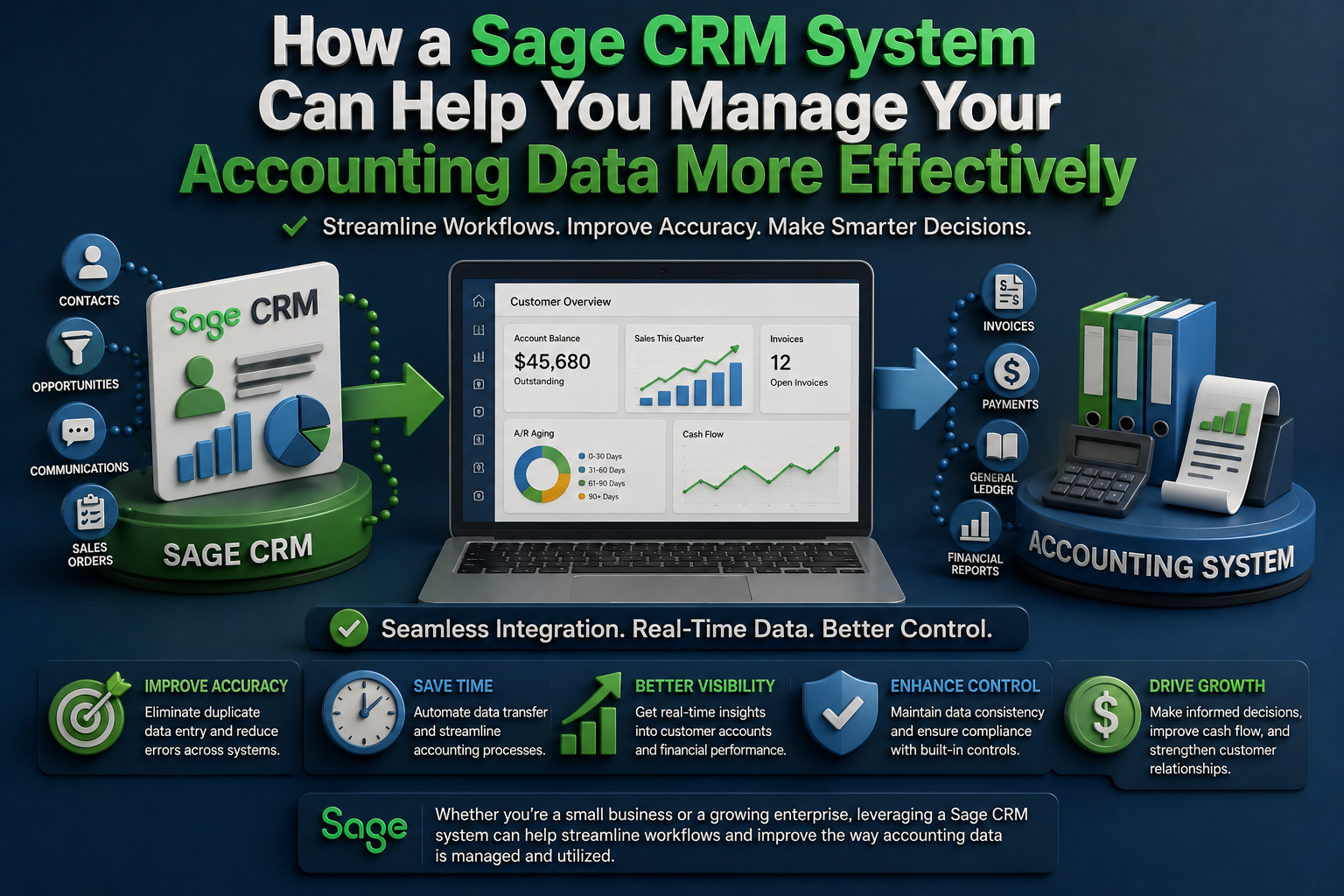
How a Sage CRM System Can Help You Manage Your Accounting Data More Effectively
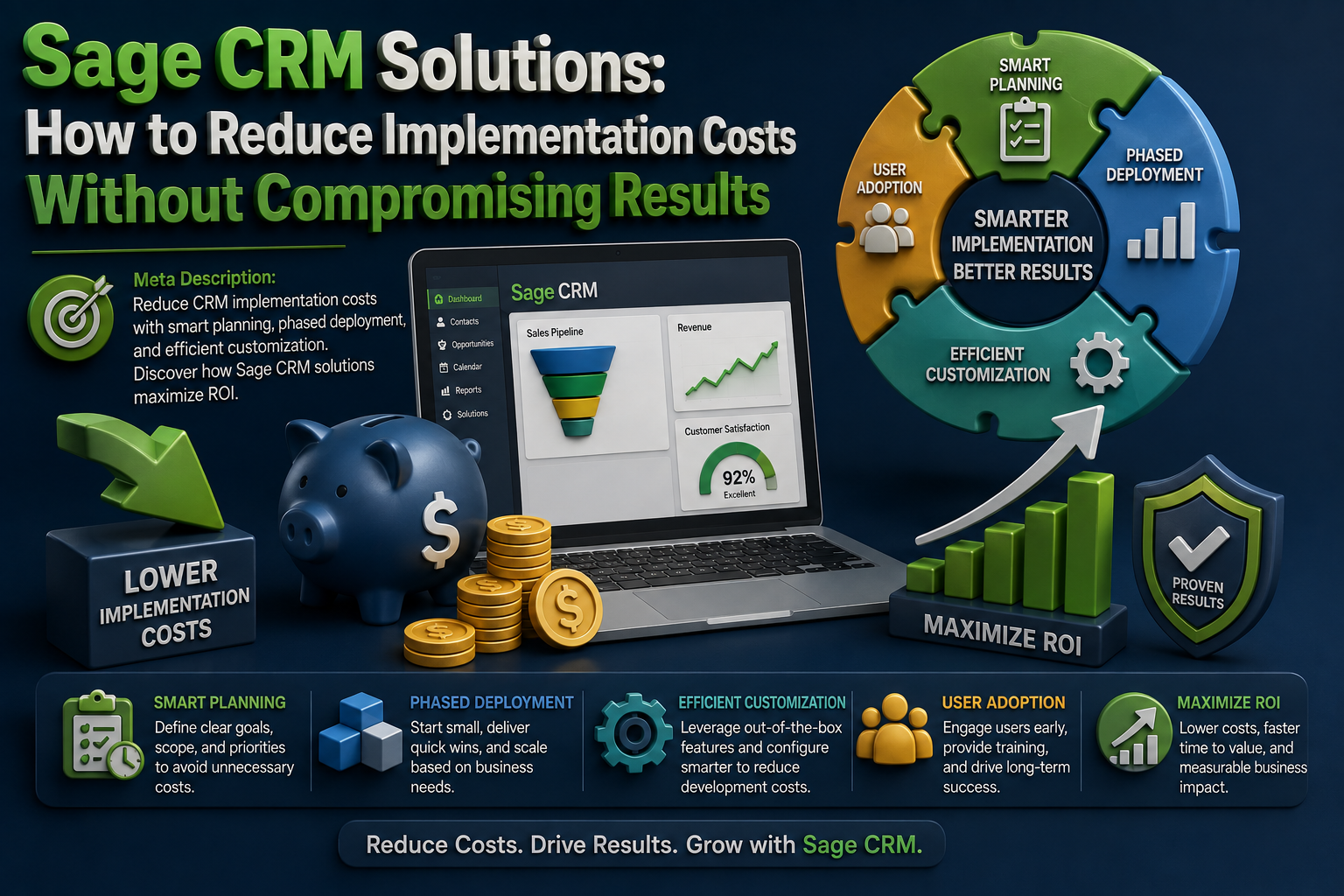
Sage CRM Solutions: How to Reduce Implementation Costs Without Compromising Results