


In today’s hyper-connected business environment, managing contacts effectively is no longer a simple task. Companies interact with thousands of customers, leads, and partners across multiple channels like email, social media, phone calls, and in-person meetings. Without a structured system, these interactions can quickly become overwhelming. This is where CRM solutions step in, offering modern businesses the tools they need to streamline contact management, enhance customer relationships, and drive sustainable growth.
The Evolution of Contact Management
Historically, businesses relied on manual methods like Rolodex cards, spreadsheets, and handwritten notes to track customer information. While these methods worked in smaller contexts, they became inefficient as businesses scaled.
This evolution reflects the growing complications of customer interactions and the need for businesses to adapt with smarter tools.
Common Contact Management Challenges
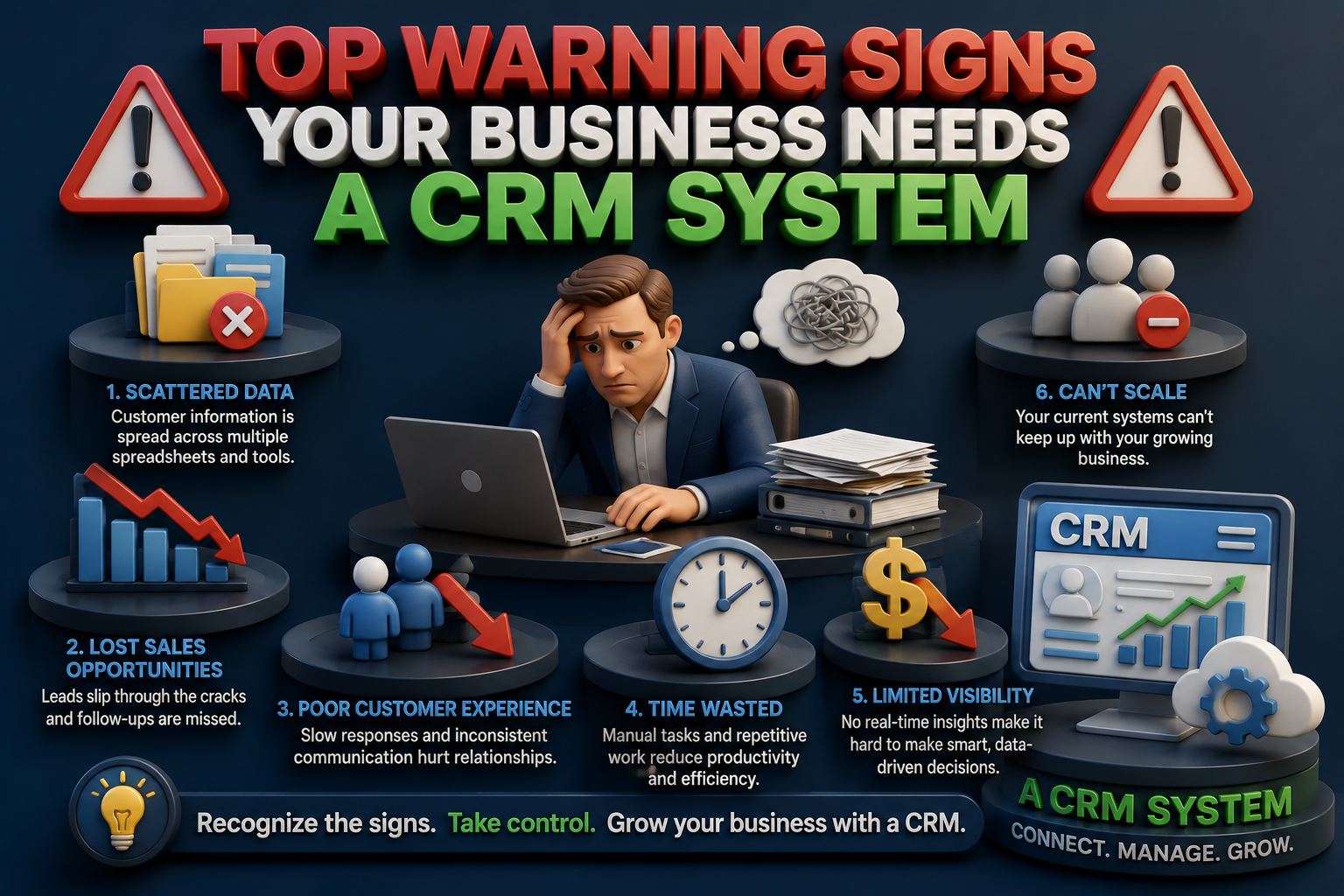
Even with technological advancements, businesses still face significant hurdles in managing contacts effectively:
These challenges highlight why businesses increasingly turn to CRM solutions as a necessity rather than a luxury.
How CRM Solutions Address These Challenges
1. Centralized Data Management
CRMs consolidate customer information into a single platform, eliminating duplication and ensuring accuracy. This unified view allows teams to access up-to-date data instantly.
2. Automation of Routine Tasks
From sending follow-up emails to scheduling reminders, CRMs automate repetitive tasks. This frees employees to focus on the strategic activities like nurturing relationships and closing deals.
3. Enhanced Collaboration
Modern CRMs are cloud-based, enabling real-time collaboration across departments. Sales teams can see marketing campaigns, while support teams can access customer history, ensuring consistent communication.
4. Advanced Analytics
CRMs provide dashboards and reports that reveal customer trends, sales performance, and engagement metrics. Businesses can use these valuable insights to refine strategies and predict future behavior.
5. Personalized Customer Engagement
By tracking customer preferences and interactions, CRMs enable businesses to tailor communication. Personalized emails, targeted offers, and proactive support foster stronger relationships.
Cross-Industry Adoption
The versatility of CRM solutions makes them valuable across industries:
This cross-industry adoption demonstrates that CRM systems are not just tools but strategic assets.
Modern-Day Significance
In the digital-first era, CRM platforms have become indispensable for businesses aiming to stay competitive. Their significance lies in:
Ultimately, CRM systems are not just about managing contacts — they are about managing relationships, which are the lifeblood of modern business.
Why CRM Solutions Stand Out?
What makes CRM solutions truly remarkable is their ability to transform challenges into opportunities:
By doing so, CRMs elevate contact management from a back-office functionality to a strategic driver of growth.
Conclusion
Contact management has evolved from simple record-keeping to a complex, strategic discipline. Modern businesses face challenges of scale, collaboration, and customer expectations that cannot be solved with outdated methods. CRM solutions provide the answer, offering centralized data, automation, analytics, and personalization.
As industries continue to embrace digital transformation, CRM systems stand out as essential tools for building stronger, smarter, and more sustainable customer relationships. For businesses seeking to thrive in this competitive landscape, investing in CRM technology is not just an option; it’s a necessity.
Ready to overcome your contact management challenges and unlock the full potential of your customer relationships? Explore tailored CRM solutions at CRM Systems. Their expertise ensures that your business not only manages contacts effectively but also builds lasting connections that fuel success.
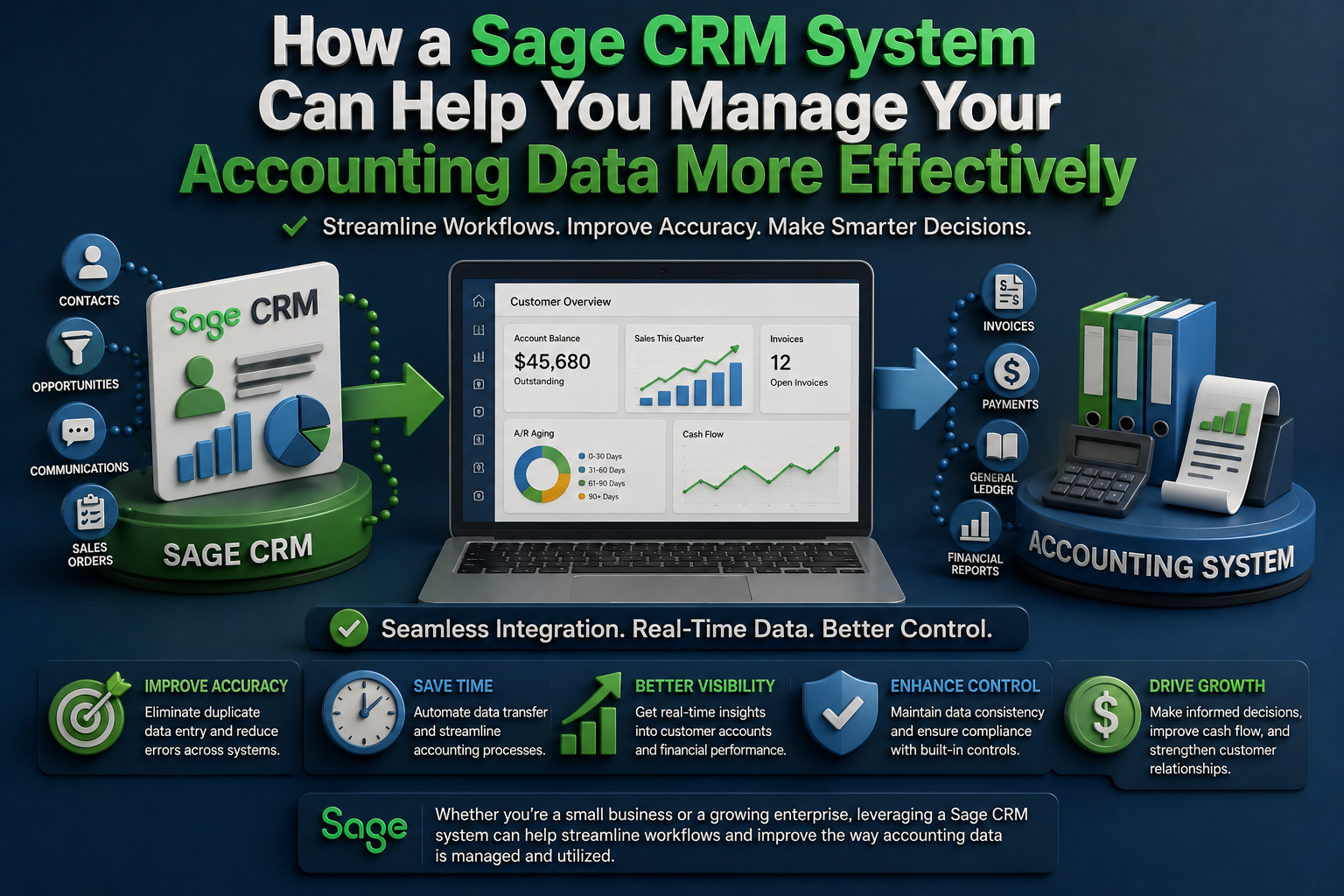
How a Sage CRM System Can Help You Manage Your Accounting Data More Effectively
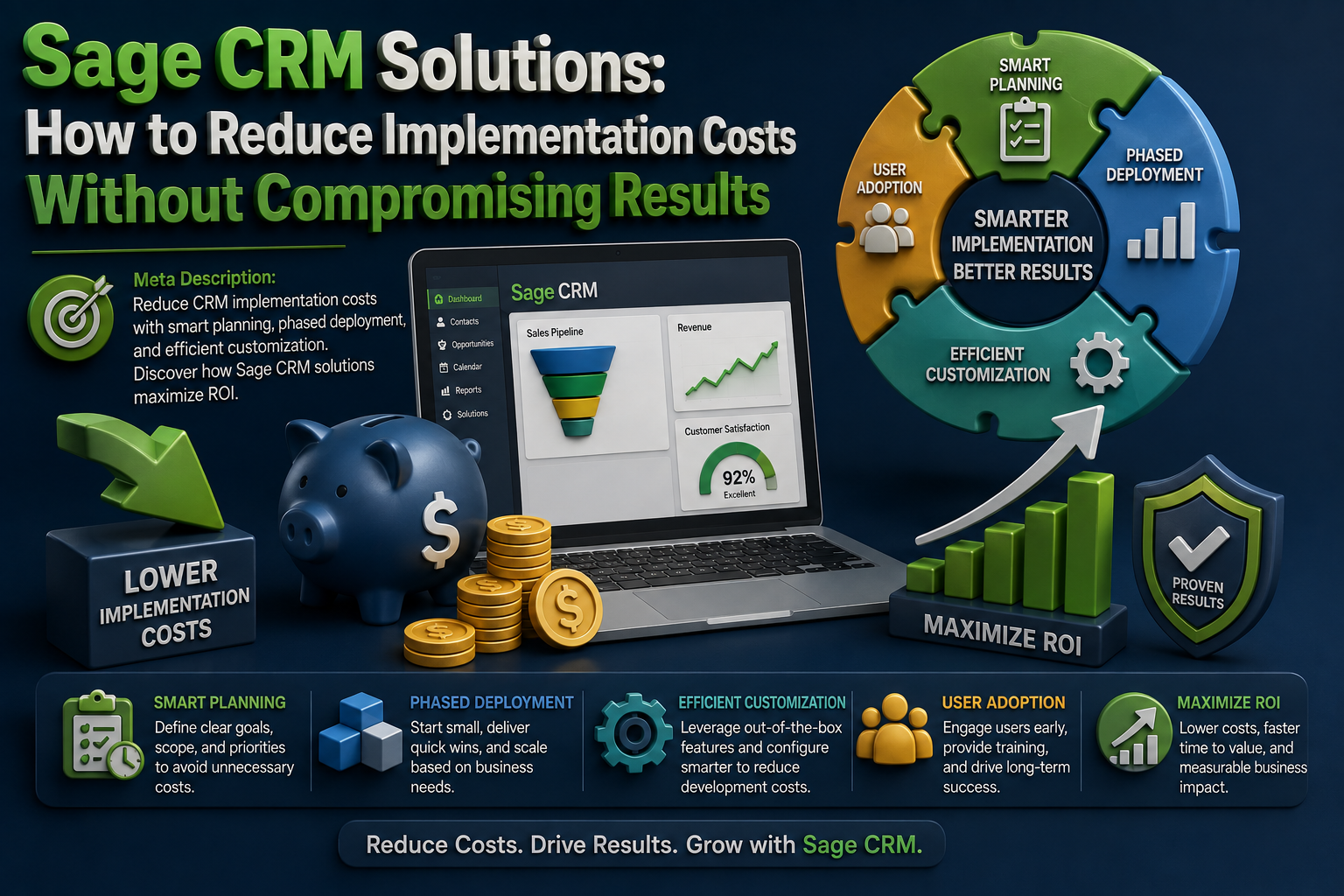
Sage CRM Solutions: How to Reduce Implementation Costs Without Compromising Results
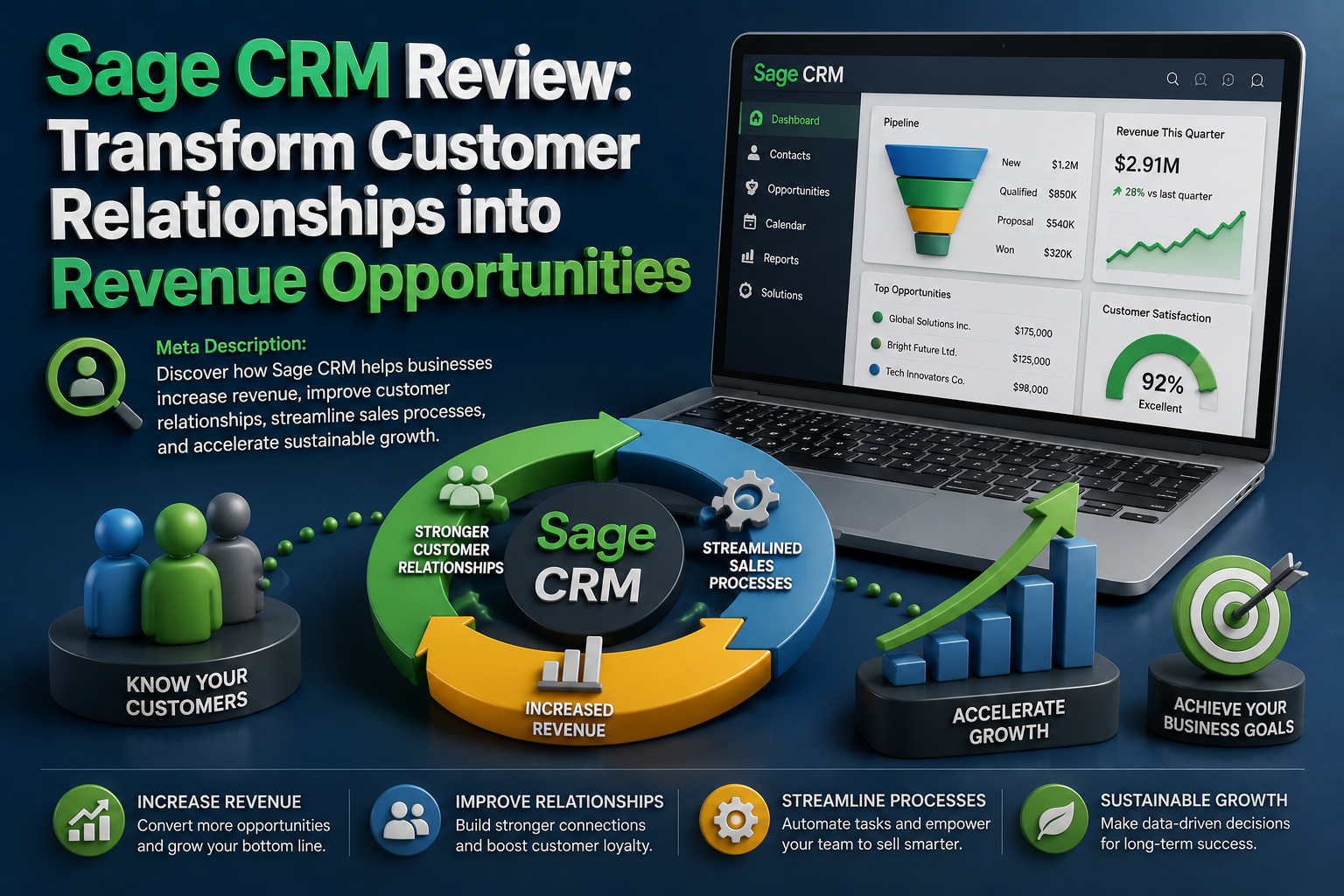
Sage CRM Review: Transform Customer Relationships into Revenue Opportunities
Top Warning Signs Your Business Needs a CRM System
CRM Solutions and Compliance Management: Building a Stronger Foundation for Business Growth