


Customer relationships are the backbone of every successful business. Yet many organizations still rely on old systems, fragmented tools, or manual processes to manage them. In today’s competitive environment, those limitations can quickly become costly. That’s where Salesforce CRM, a world‑leading platform created to unify customer data, simplify operations, and enable teams with useful insights, comes in.
If you’re wondering whether your business is ready for an upgrade, here are ten signs that point to the need for Salesforce CRM, along with how trusted partners such as CRM Systems can help you make the transition easily.
1. Customer Data Is Scattered Across Multiple Tools
When customer information is scattered across spreadsheets, emails, and disconnected software, your team wastes time chasing details rather than building relationships. This breakdown leads to overlooked opportunities and poor customer experiences.
Salesforce CRM centralizes all customer data into one unified platform. With a single source of truth, your team can access complete profiles, track interactions, and make well-informed decisions instantly.
2. Sales Forecasting Is Inaccurate
If your sales forecasts feel more like guesswork than strategy, it’s a clear sign your current system isn’t keeping up. Inaccurate projections can derail planning, budgeting, and growth programs.
Salesforce CRM leverages machine learning to deliver precise forecasts. Through analyzing historical data and current trends, it enables leaders to plan confidently and assign resources effectively.
3. Customer Service Is Reactive, Not Proactive
A reactive support team spends most of its time putting out fires instead of anticipating client needs. This approach damages loyalty and increases churn.
With Salesforce CRM, service teams gain access to case tracking, automated workflows, and complete customer histories. This enables preemptive engagement, faster resolutions, and bespoke support that strengthens relationships.
4. Marketing Campaigns Lack Personalization
Generic, one‑size‑fits‑all campaigns rarely appeal to modern customers. If your marketing feels impersonal, interaction and conversion rates will suffer.
Salesforce CRM integrates marketing automation tools that help businesses segment audiences, customize messaging, and deliver personalized campaigns based on buyer behavior and preferences. The result is elevated engagement and stronger ROI.
5. Collaboration Between Teams Is Weak
When sales, marketing, and service teams operate in silos, communication breaks down, and opportunities are lost.
Salesforce CRM connects departments on a single platform. Shared dashboards, workflows, and customer records ensure everyone is coordinated, supporting collaboration and promoting growth through unified efforts.
6. Growth Is Outpacing Current Systems
Rapid expansion is exciting, but legacy systems frequently struggle to scale. As your customer base grows, outdated tools can’t keep up with the requirements of contemporary business.
Salesforce CRM is cloud‑based and highly scalable. Whether you’re a small business or a global enterprise, it adapts to your needs, guaranteeing your systems expand alongside your success.
7. Reporting Takes Too Long
If generating reports feels like a time‑consuming chore, you’re losing important insights. Manual reporting delays decision‑making and reduces agility.
Salesforce CRM delivers customizable dashboards and instant reporting. Leaders obtain real‑time visibility into sales performance, customer trends, and operational output, allowing faster, smarter decisions.
8. Mobile Access Is Limited
Today’s workforce is mobile, and your CRM should be too. If your team struggles to access customer data on the go, productivity suffers.
Salesforce CRM offers strong mobile apps that allow teams to manage leads, track opportunities, and deliver service from anywhere. This flexibility guarantees business continuity and responsiveness.
9. Customer Retention Is Declining
Losing customers faster than you gain them is a red flag. Poor engagement and lack of follow‑up often drive churn.
Salesforce CRM helps track customer journeys, identify at‑risk accounts, and nurture relationships with targeted outreach. By focusing on retention, businesses are able to build loyalty and maximize lifetime value.
10. Competitors Are Outperforming You
If rivals are closing deals faster, delivering better experiences, or growing more efficiently, they may already be applying advanced CRM tools. Falling behind in technology means losing market share.
Salesforce CRM equips your business with state-of-the-art tools to stay competitive. From AI insights to seamless integrations, it guarantees you’re not only keeping pace but leading the way.
Why Salesforce CRM Is the Right Choice
Salesforce isn’t just another CRM; it’s the global leader trusted by businesses of all sizes. Its flexibility, scalability, and integration features make it ideal for companies ready to modernize customer management.
By upgrading to Salesforce CRM, businesses acquire an effective platform that transforms customer relationships into growth opportunities.
Partnering with CRM Systems
Transitioning to Salesforce CRM can feel daunting, but with the right partner, it’s seamless. CRM Systems specializes in helping businesses implement and optimize Salesforce, making sure you get maximum value from your investment.
With CRM Systems, you’ll have a committed partner to lead you every step of the way.
Conclusion
Recognizing these ten signs is the first step for transforming your business. If you’re struggling with scattered data, poor collaboration, or declining customer retention, it’s time to upgrade to Salesforce CRM. With its strong features and expandability, Salesforce can change how you manage relationships, drive sales, and provide outstanding service.
Don’t wait until inefficiencies cost you more customers. Explore how CRM Systems can help you make the switch right now and release the full potential of Salesforce CRM.
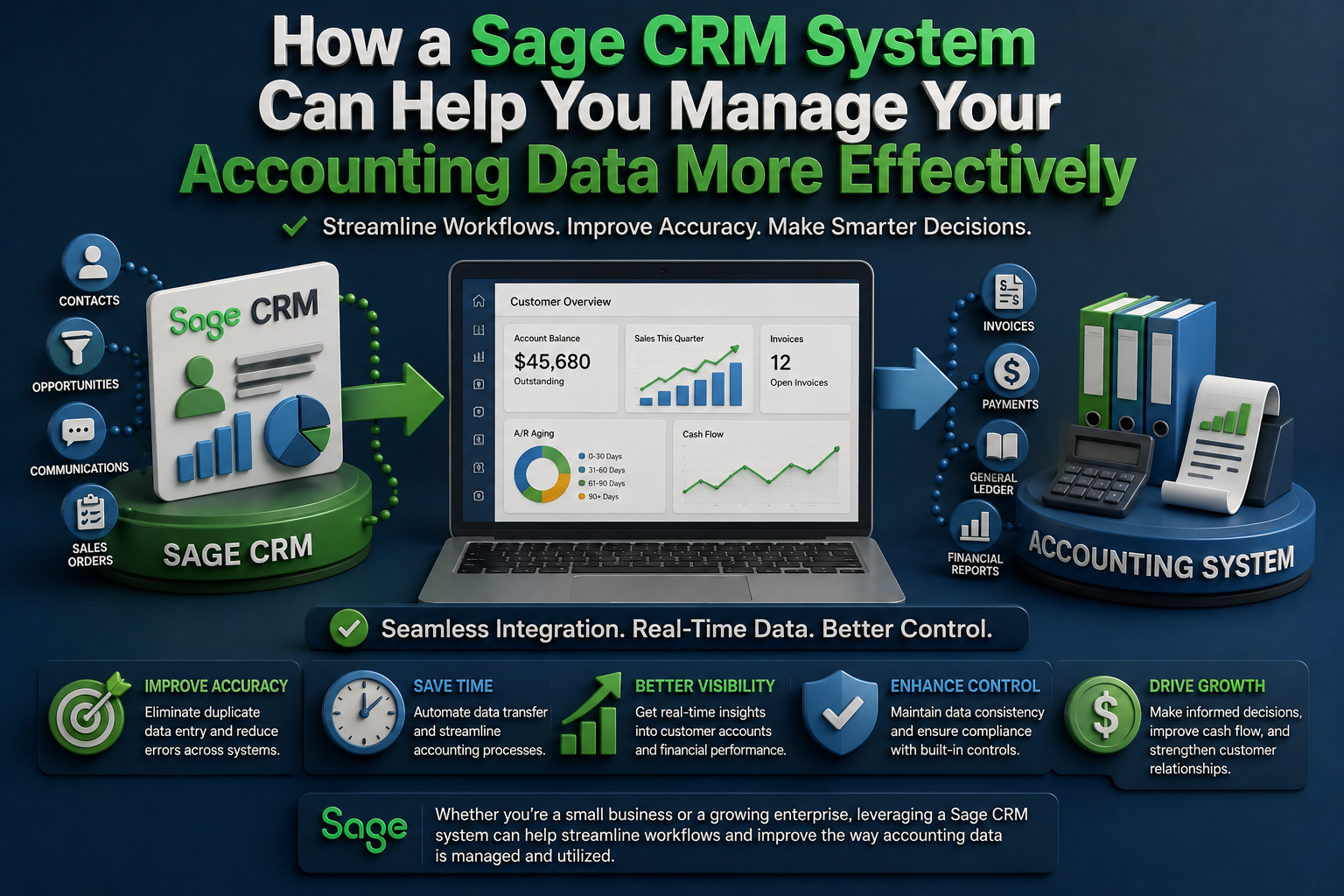
How a Sage CRM System Can Help You Manage Your Accounting Data More Effectively
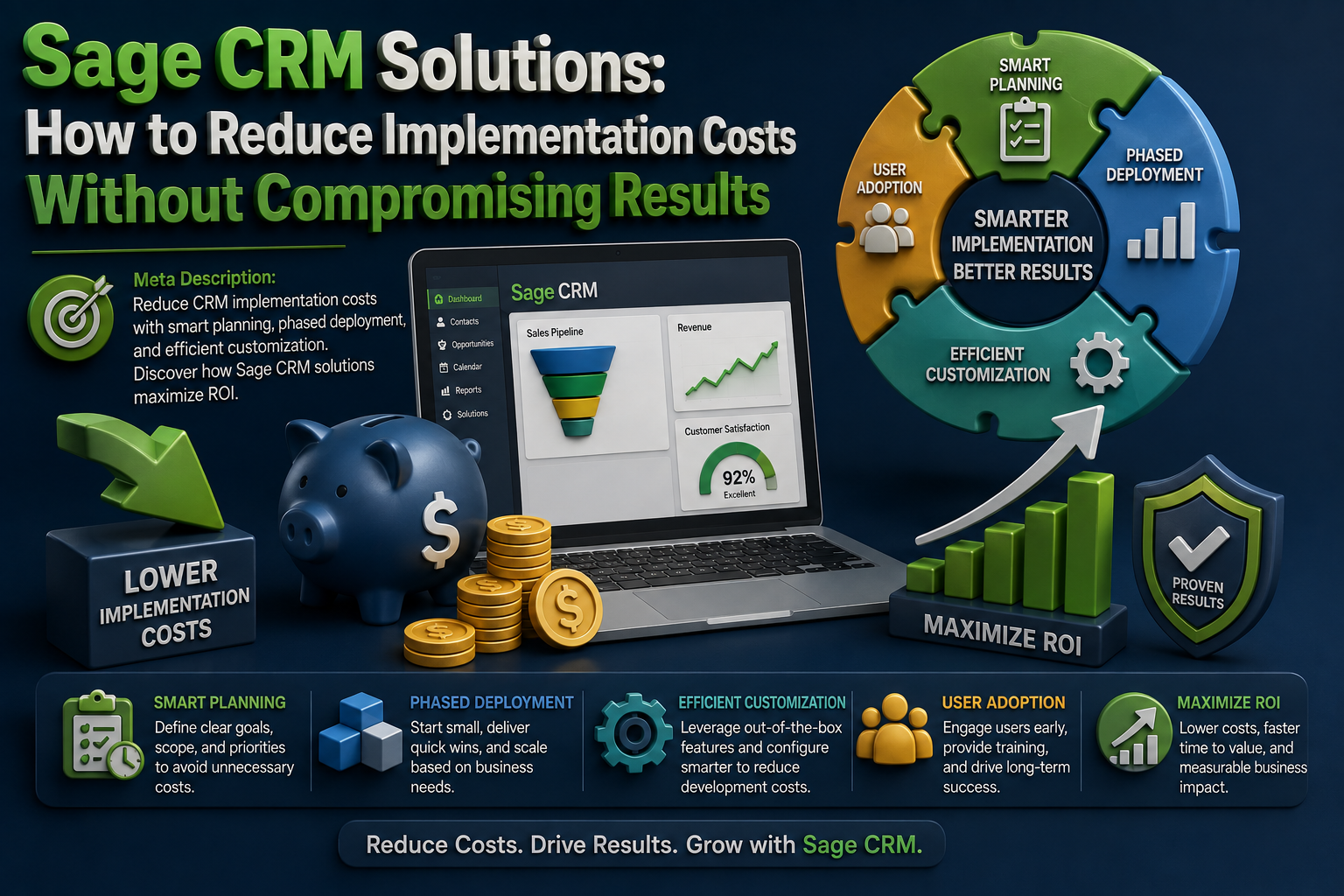
Sage CRM Solutions: How to Reduce Implementation Costs Without Compromising Results
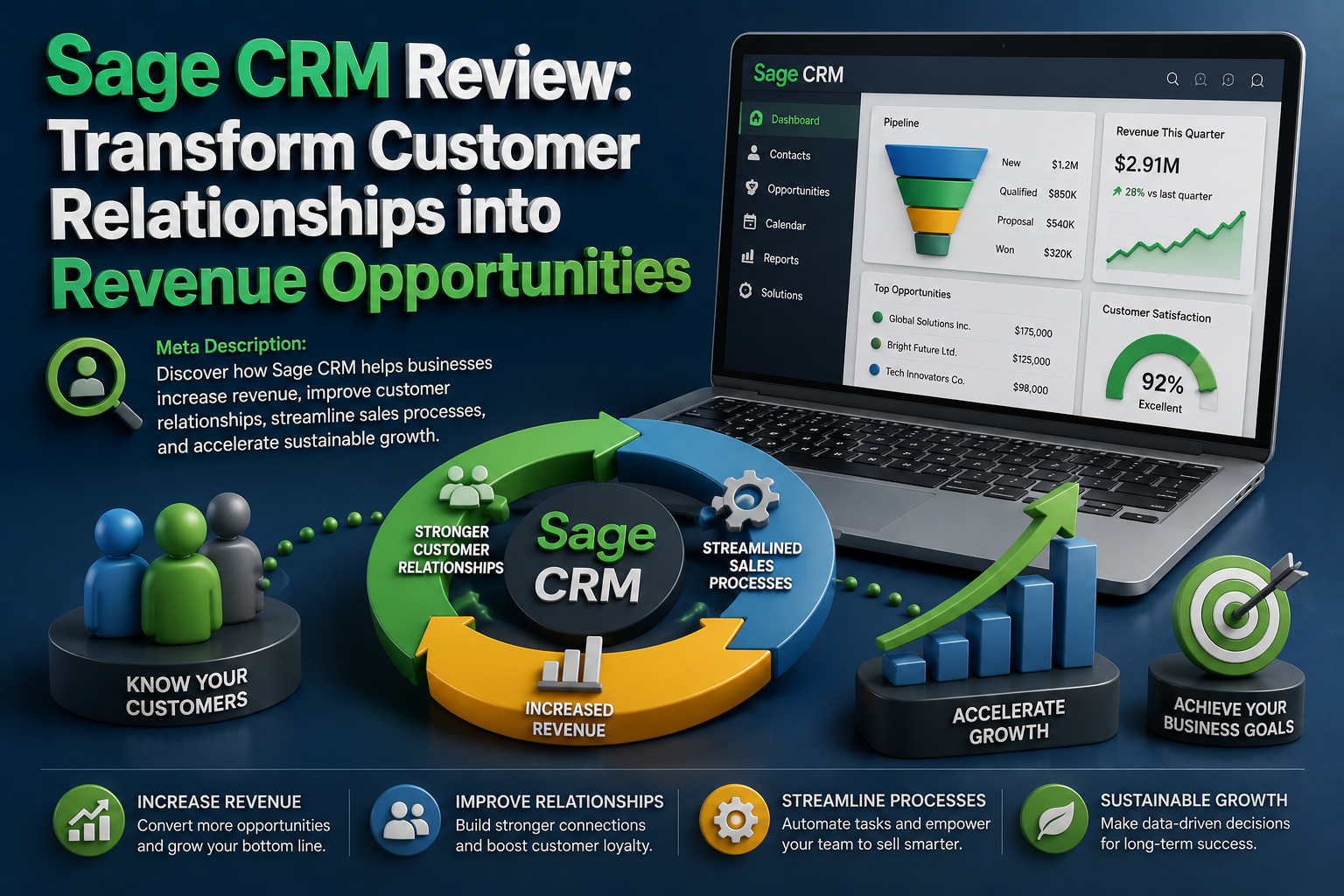
Sage CRM Review: Transform Customer Relationships into Revenue Opportunities
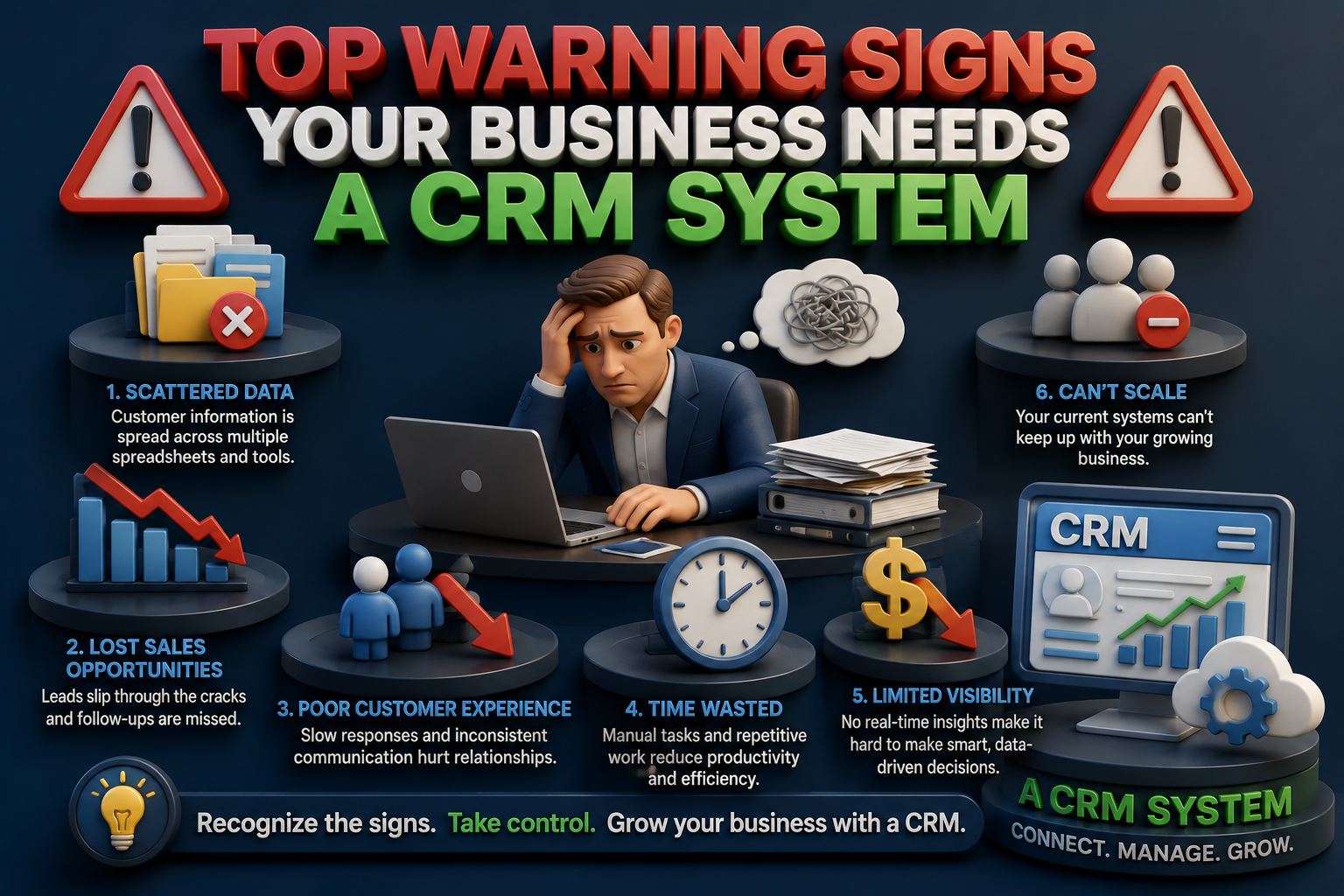
Top Warning Signs Your Business Needs a CRM System
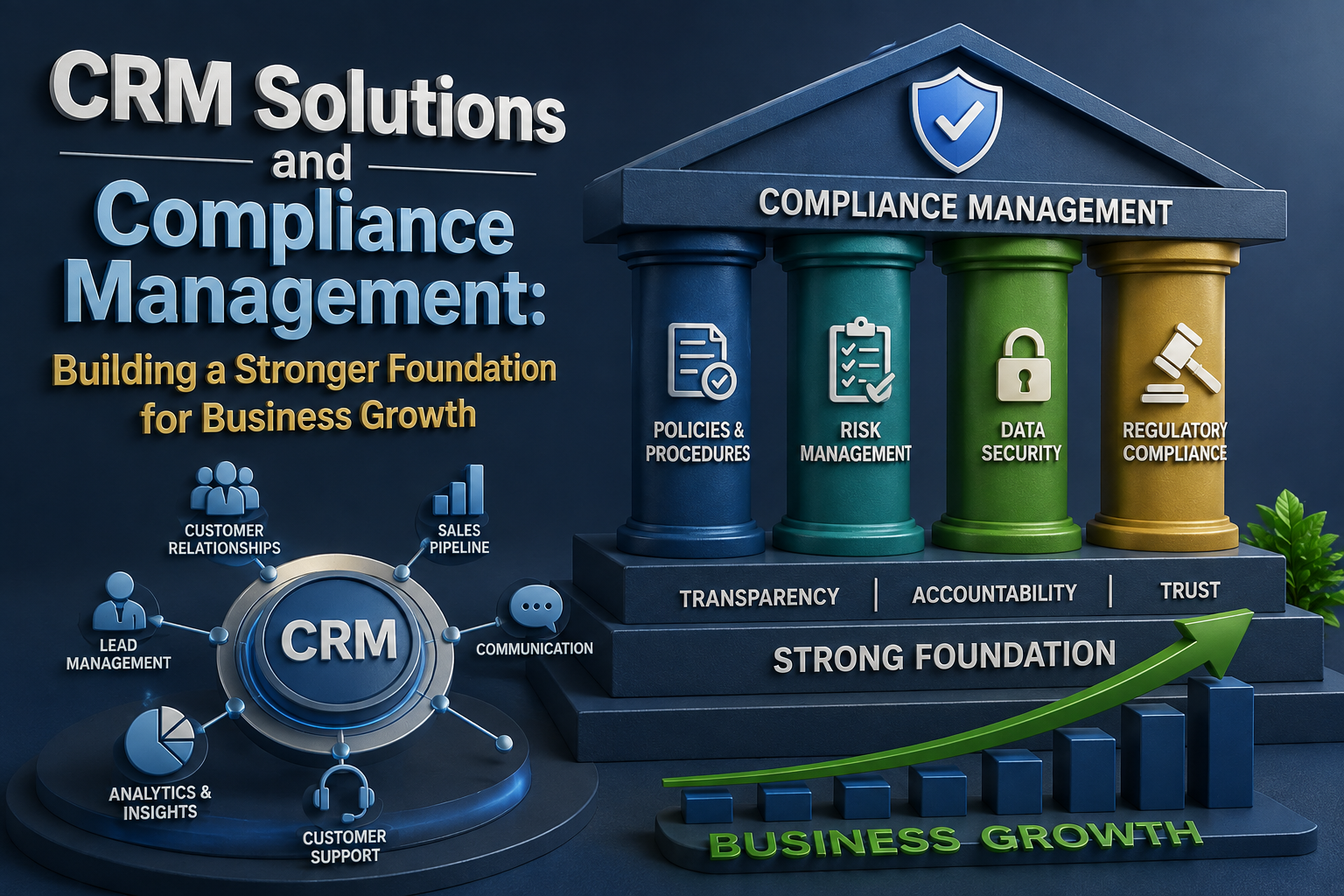
CRM Solutions and Compliance Management: Building a Stronger Foundation for Business Growth