


Customer Relationship Management (CRM) systems are at the core of modern business success, and Salesforce CRM is one of the most powerful platforms available today. But purchasing Salesforce CRM is only the beginning. To truly unlock its true potential, organizations need a clear implementation strategy that aligns with the business goals, engages stakeholders, and ensures smooth adoption across teams. Without a plan, companies risk underutilizing features, creating inefficiencies, or encountering employee resistance. With the right strategy, however, Salesforce CRM can transform customer relationships and drive measurable growth.
Setting Clear Objectives
The first step in implementing a Salesforce CRM plan is defining what you want to achieve. Objectives should be specific and measurable. For example, a company may want to increase the lead conversion rates, shorten the sales cycle, or improve customer service response times. By identifying these goals upfront, you create a roadmap that guides every decision during implementation. Salesforce CRM is a versatile tool, but its effectiveness depends on how well it is aligned with your organization’s priorities.
Engaging Stakeholders
No CRM system succeeds without buy-in from the people who use it. Engaging stakeholders early in the process ensures that the system addresses real pain points and gains support across departments. Sales teams may want better lead tracking, marketing may need campaign automation, and customer service may require case escalation workflows. By involving these groups in planning, you reduce resistance and increase adoption. Leadership support is equally important, as executives set the tone for organizational change.
Mapping Current Processes
Before configuring Salesforce CRM, it is essential to understand how your teams currently operate. Documenting existing workflows highlights inefficiencies and reveals opportunities for improvement. For instance, if leads are currently assigned manually, automation can save time and reduce errors. If customer service requests are tracked in spreadsheets, Salesforce can centralize and streamline the process. Mapping processes ensures that Salesforce CRM is customized to fit your business rather than forcing your teams to adapt to generic workflows.
Customizing Salesforce CRM
One of Salesforce’s biggest strengths is its flexibility. Customization allows businesses to tailor the platform to their unique needs. This may involve creating custom fields, designing workflows, configuring dashboards, or integrating Salesforce with other systems such as ERP or marketing automation tools. The goal is to make Salesforce CRM intuitive and relevant for users, so they see immediate value in adopting it. Over-customization, however, should be avoided. Start simple, focus on essential features, and expand gradually as your team becomes comfortable.
Data Migration and Cleansing
Data is the lifeblood of any CRM system. Migrating information from legacy systems into Salesforce CRM requires careful planning. Poor-quality data can undermine the platform’s effectiveness, so cleansing is critical. Duplicate records should be removed, formats standardized, and accuracy validated before migration. Establishing data governance policies ensures that information remains reliable over time. Clean data not only improves reporting but also enhances customer interactions by providing teams with accurate insights.
Training and Change Management
Even the most advanced system will fail if employees don’t know how to use it. Training is a cornerstone of successful Salesforce CRM implementation. Different roles require tailored training sales representatives need to master lead and opportunity management, marketing teams must learn campaign automation, and customer service agents should focus on case management. Change management strategies, such as regular communication, support resources, and feedback channels, help employees embrace the new system. When users understand how Salesforce CRM makes their jobs easier, adoption rates soar.
Pilot Testing and Iteration
Rolling out Salesforce CRM to the entire organization at once can be overwhelming. A pilot program allows you to test workflows with a small group of users, gather feedback, and refine processes before a full launch. This iterative approach minimizes disruptions and ensures that the system is optimized for real-world use. Pilot testing also builds confidence among employees, as they see improvements based on their input.
Monitoring and Optimization
Implementation is not the end of the journey. Continuous monitoring and optimization are always necessary to keep Salesforce CRM aligned with evolving business needs. Dashboards and reports provide insights into performance metrics such as lead conversion rates, customer satisfaction scores, and campaign ROI. Regular reviews allow managers to identify bottlenecks, adjust workflows, and introduce new features. By treating Salesforce CRM as a dynamic system rather than a one-time project, businesses ensure long-term success.
Overcoming Common Challenges
Organizations often face challenges during CRM implementation, such as resistance to change, data quality issues, or over-customization. These can be overcome with clear communication, strong leadership, and a focus on simplicity. Defining measurable goals, maintaining clean data, and prioritizing user experience are strategies that help businesses avoid pitfalls and maximize the value of Salesforce CRM.
Conclusion
Implementing Salesforce CRM is not just a technical project, it is a strategic initiative that reshapes how your organization engages with customers. By setting clear objectives, engaging stakeholders, mapping processes, customizing thoughtfully, ensuring data quality, and investing in training, businesses can unlock the full potential of Salesforce CRM. Continuous monitoring and optimization keep the system relevant and effective as your company grows. With the right strategy, Salesforce CRM becomes more than software—it becomes a catalyst for customer success and business growth.
Visit CRM Systems today to explore tailored strategies that help your business succeed with Salesforce.

Acumatica 2026 R2 Is Here: What’s New?

Sage CRM + Sage ERP Integration: Connecting Sales With the Rest of Your Business
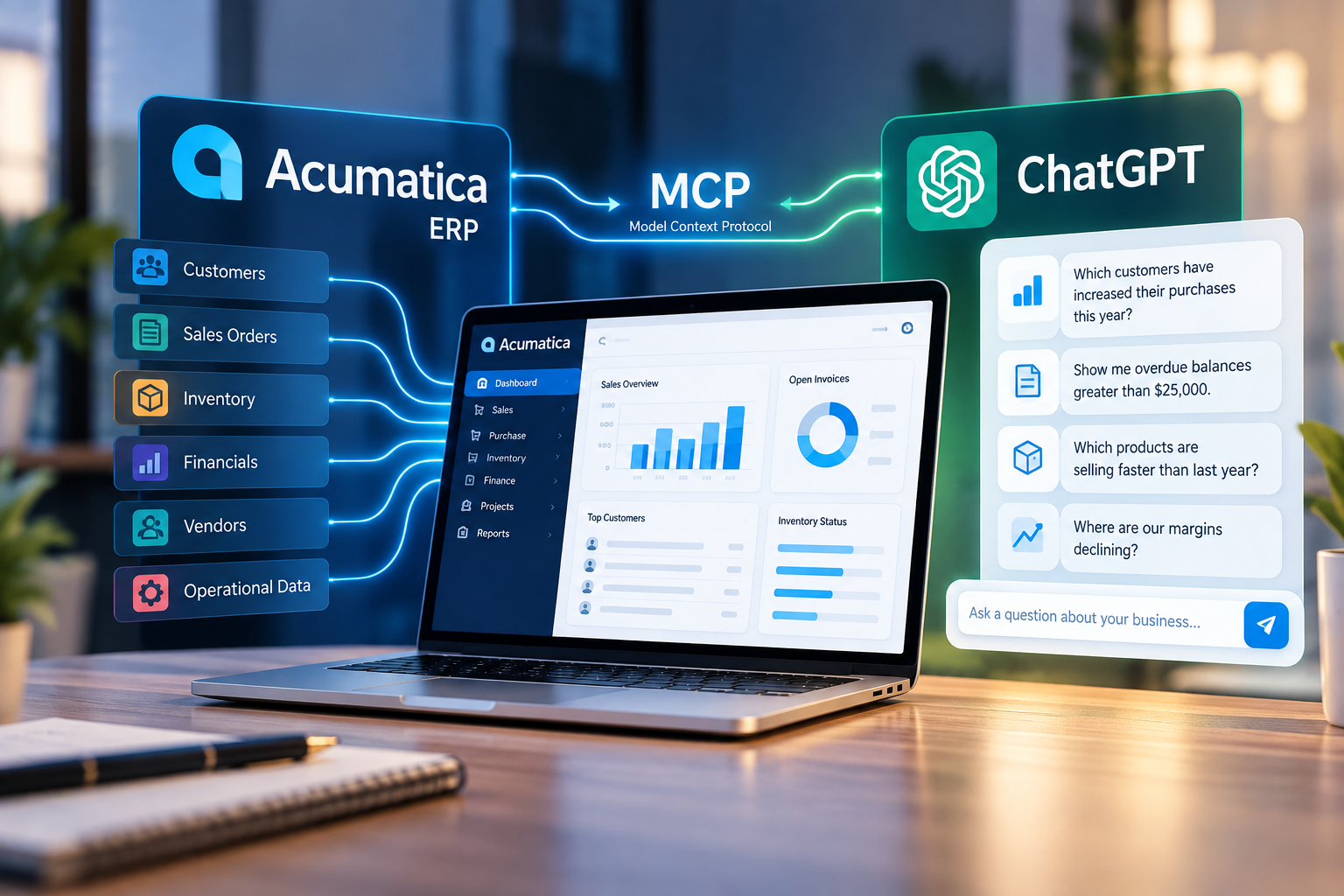
Acumatica + ChatGPT: What the New MCP Connection Means for Your Business
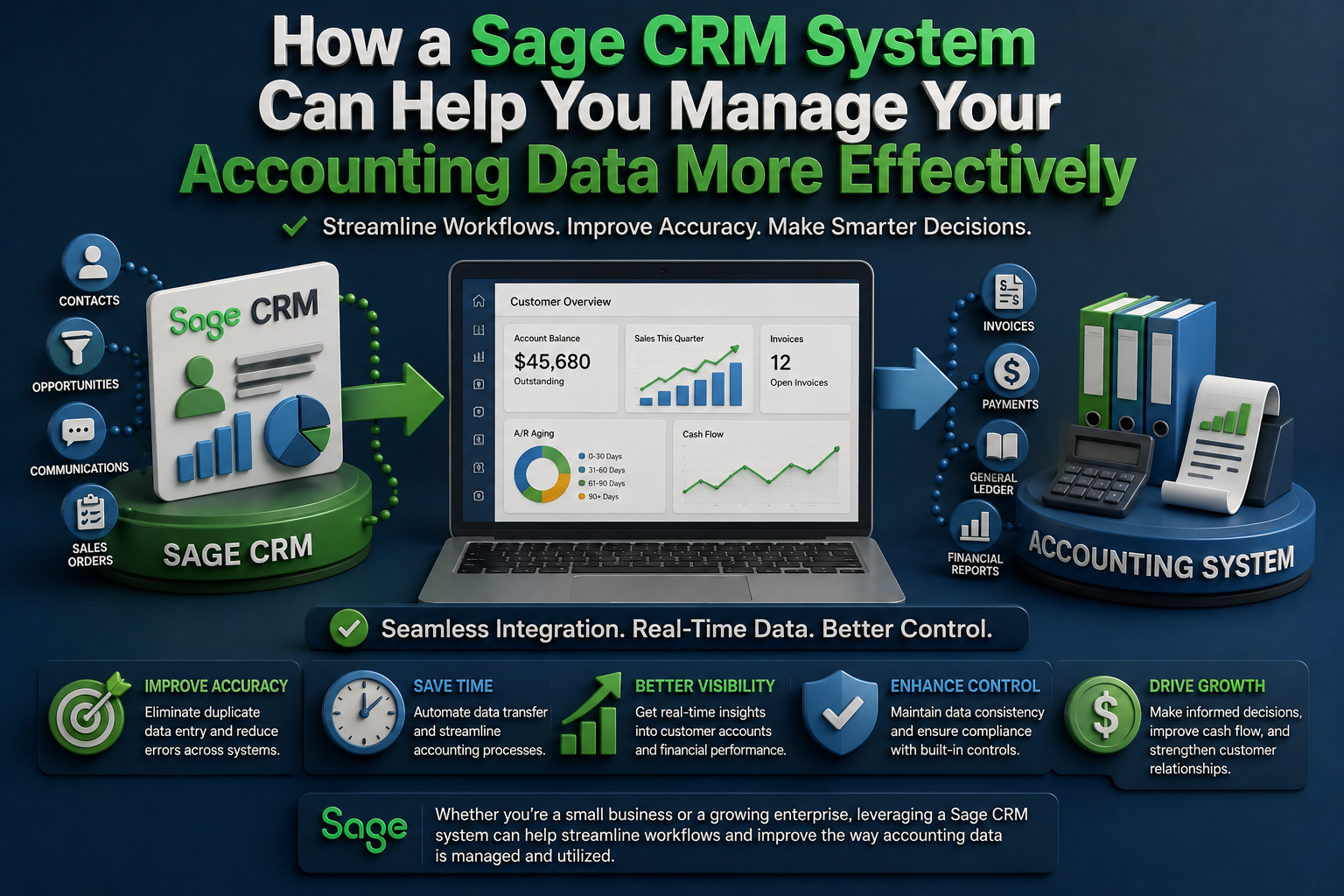
How a Sage CRM System Can Help You Manage Your Accounting Data More Effectively
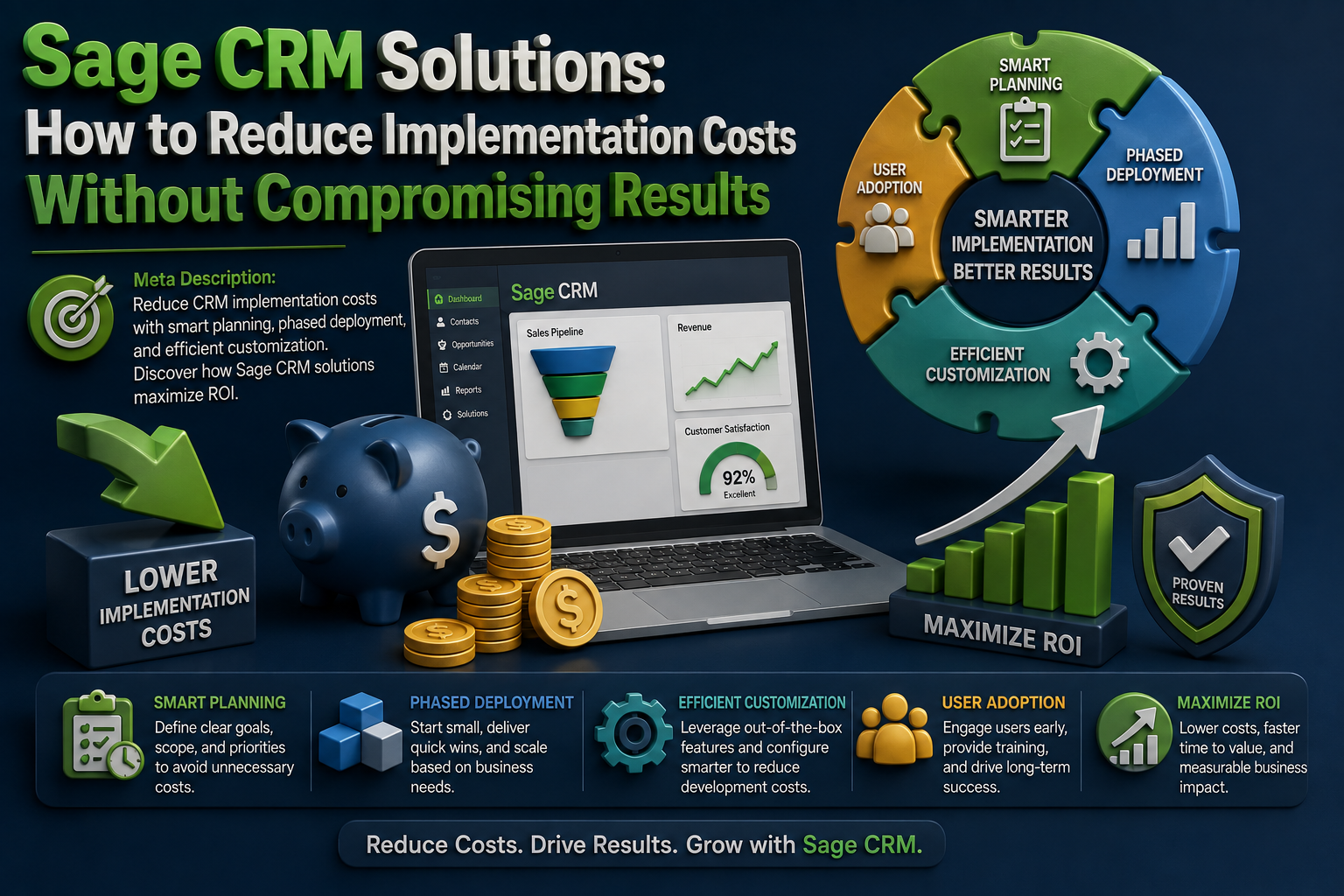
Sage CRM Solutions: How to Reduce Implementation Costs Without Compromising Results