


In the modern business landscape, the traditional “moat”—brand recognition, geographic location, or even a patent—is shallower than ever. In a world of rapid-fire digital disruption, these advantages can evaporate overnight.
True competitive strategy has shifted. Today, the most resilient businesses aren’t just those with the best products; they are the ones with the best engines. Your long-term moat is no longer just what you sell, but how effectively your data and workflows operate behind the scenes.

Most companies view “integrated systems” as a back-office efficiency play—a way to trim the fat or reduce manual data entry. While cost-saving is a great perk, it’s only the tip of the iceberg.
When your data flows seamlessly across departments, it transforms from a record of the past into a strategic asset.
A “business moat” is defined by its ability to protect your market share from competitors. An integrated ecosystem creates a moat that is incredibly difficult to replicate because it’s woven into the DNA of your operations.
Operating with fragmented systems is like trying to win a race while carrying a heavy backpack. Every manual export, every “we’ll get back to you once we check the other system,” and every data discrepancy is a leak in your moat. Eventually, the water runs dry, and competitors walk right in.
In the quest for sustained advantage, the winner isn’t always the one who runs the fastest today—it’s the one who has built the most efficient path for tomorrow.
The gap between the digitally mature and the digitally stagnant is widening. Don’t let your infrastructure be your Achilles’ heel.
Ready to turn your operations into a fortress? Schedule a strategic planning session with our integration experts and let’s start building your long-term moat.
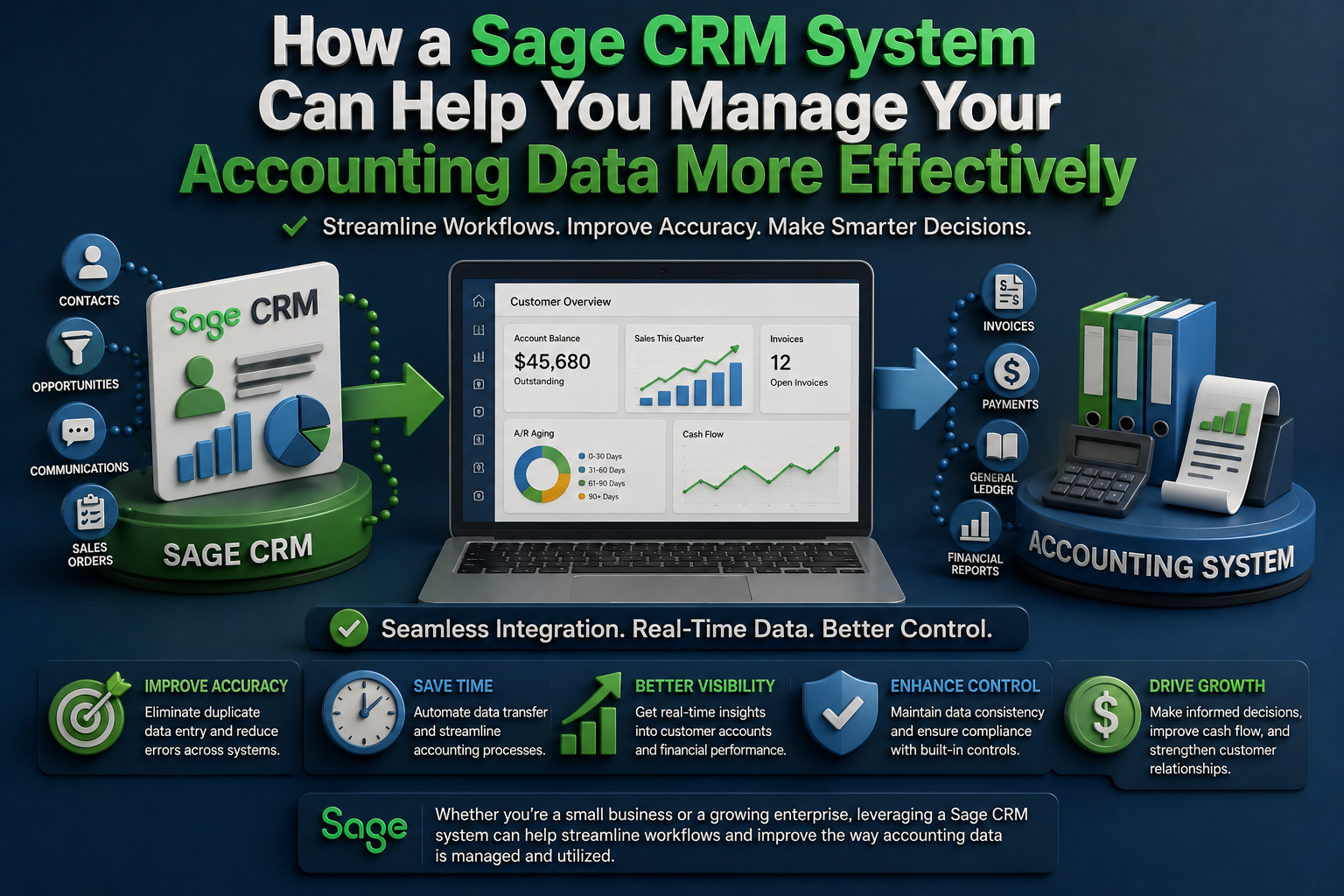
How a Sage CRM System Can Help You Manage Your Accounting Data More Effectively
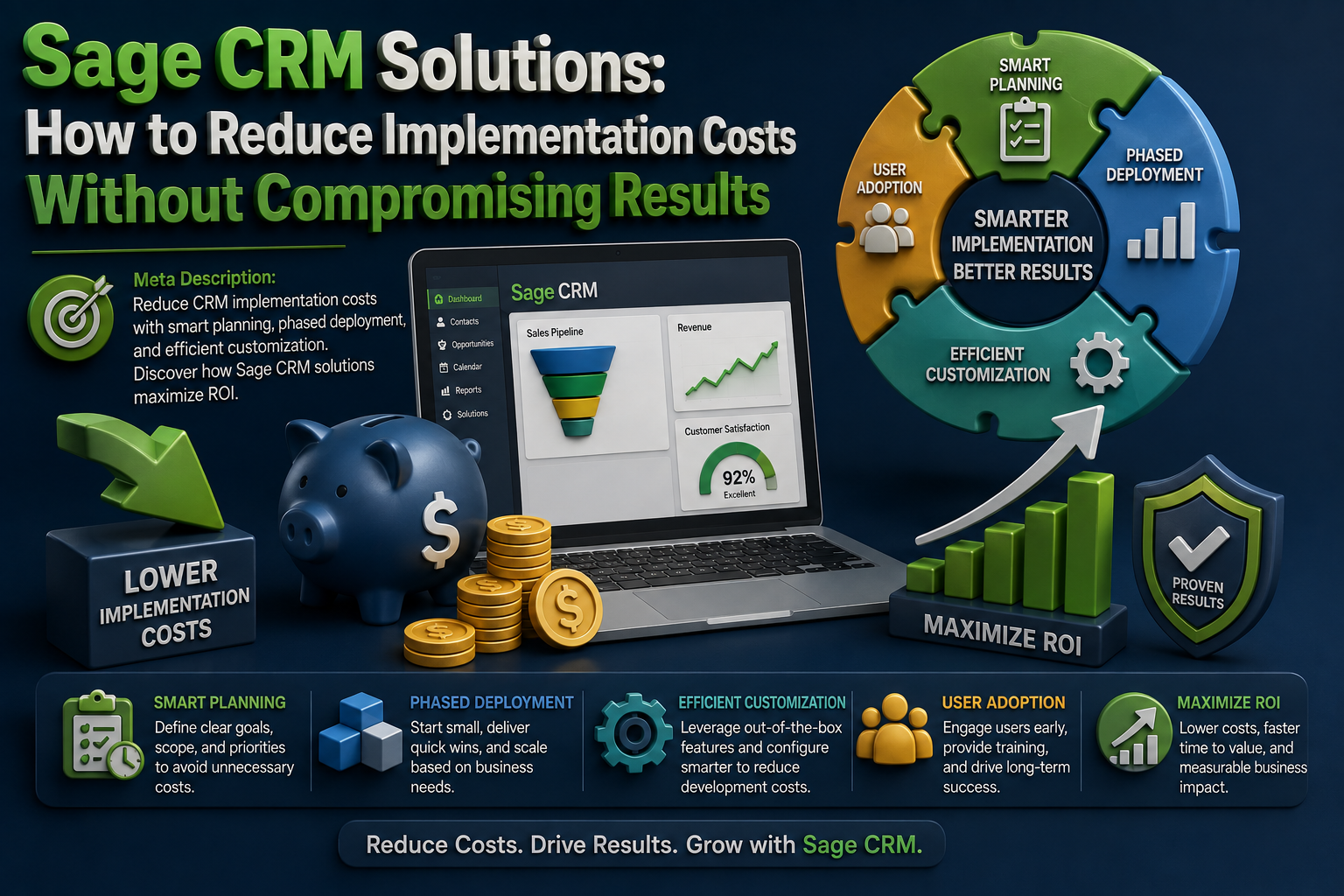
Sage CRM Solutions: How to Reduce Implementation Costs Without Compromising Results
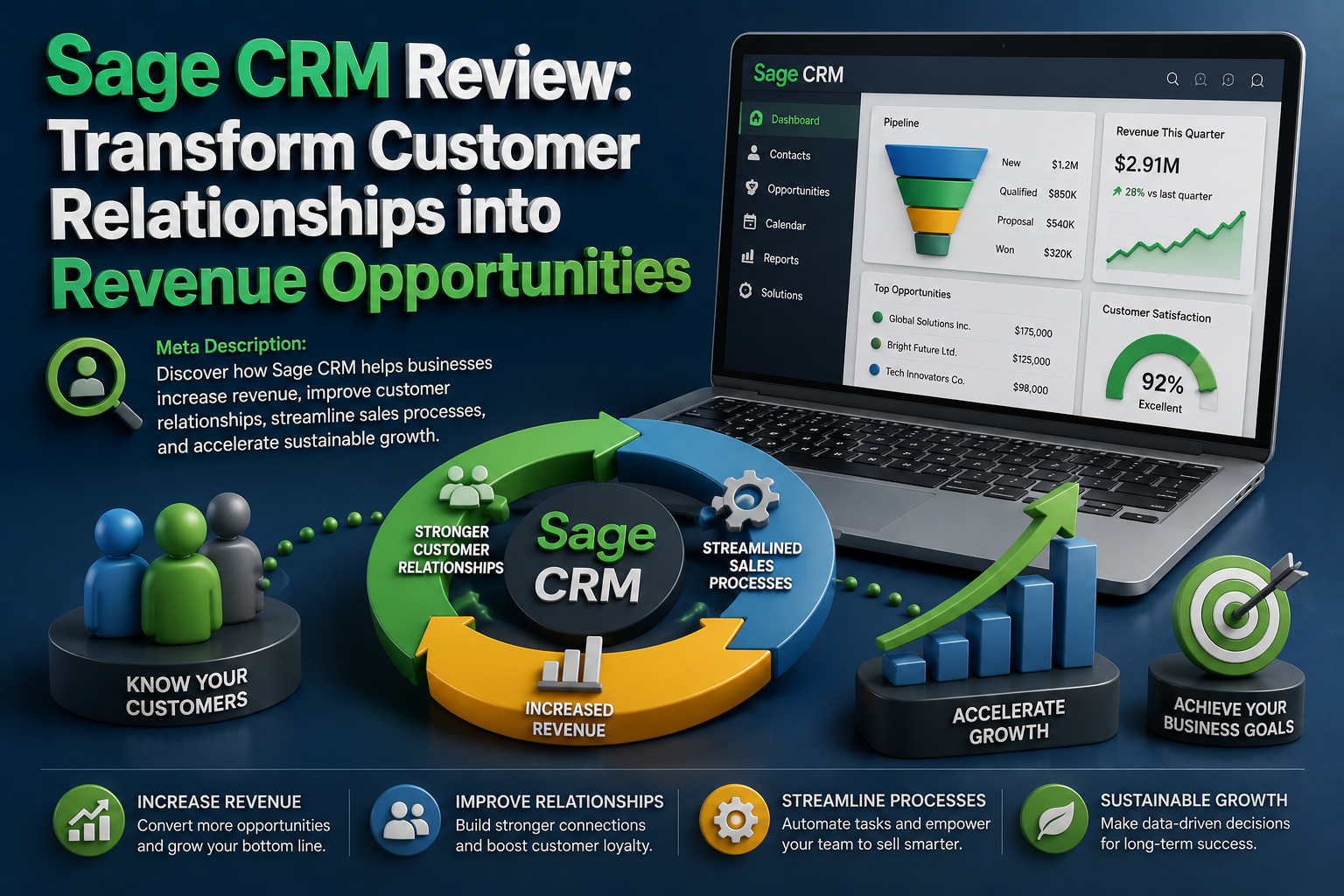
Sage CRM Review: Transform Customer Relationships into Revenue Opportunities
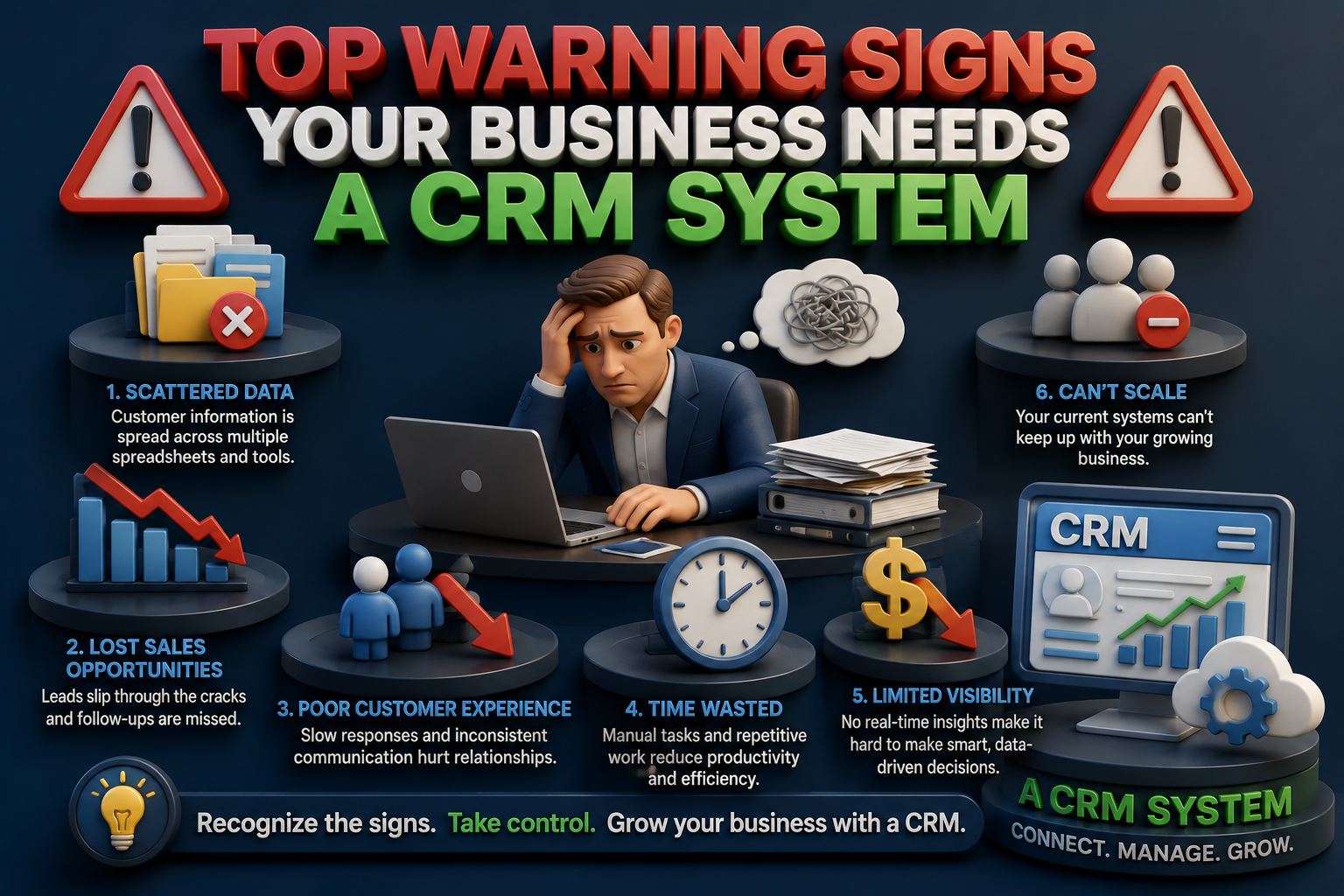
Top Warning Signs Your Business Needs a CRM System
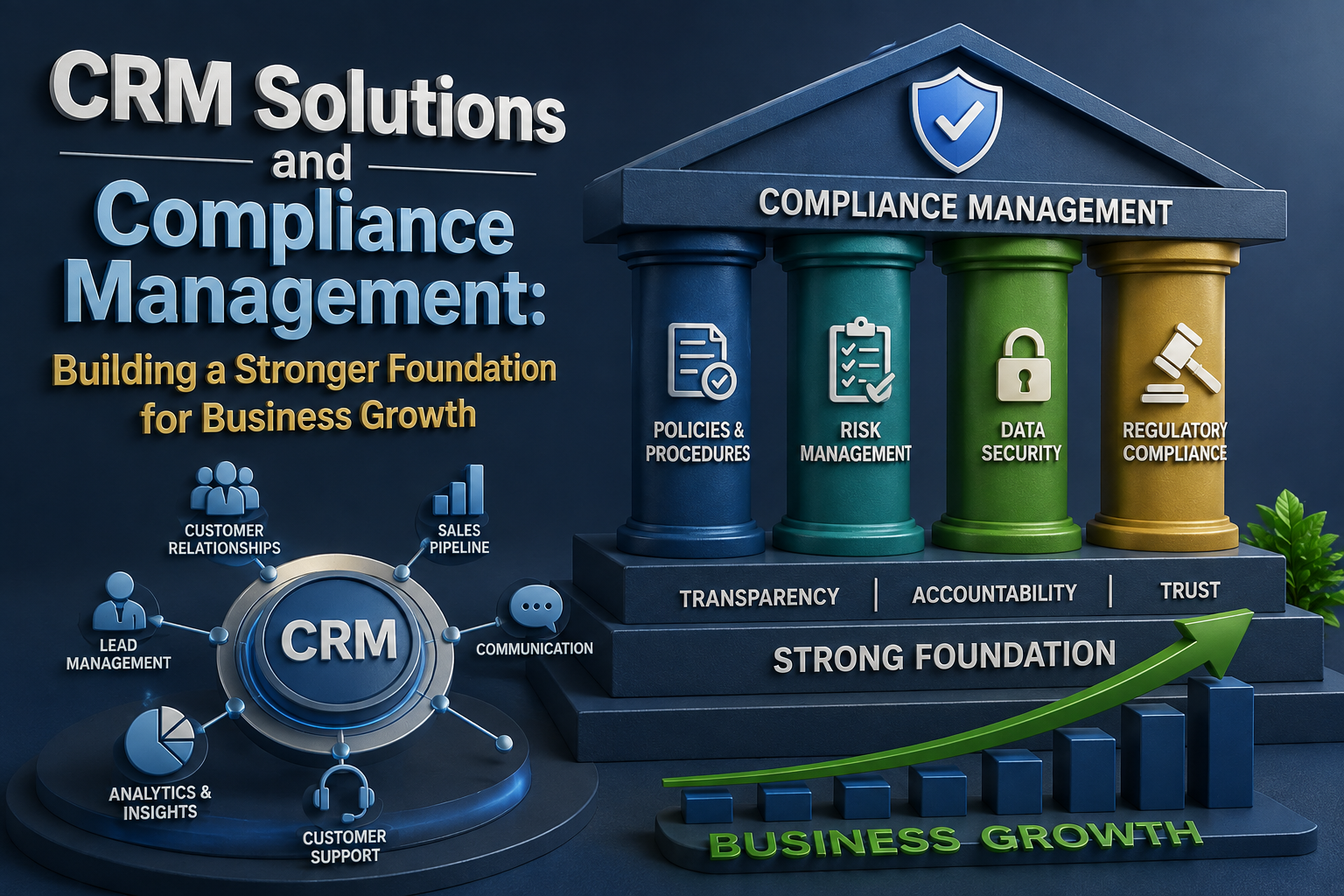
CRM Solutions and Compliance Management: Building a Stronger Foundation for Business Growth