



In the rapidly evolving landscape of global trade, the need for meticulous documentation and information management has never been more critical. As we navigate through an era marked by trade issues and retaliatory policies, businesses must prioritize capturing and maintaining comprehensive records of compliance information, quality standards, contracts, and logistics. Here’s why these elements are indispensable for sustaining successful operations in today’s volatile trade environment.
Compliance Information: Safeguarding Your Business
Adhering to international and local regulations is paramount to avoiding legal pitfalls and maintaining a reputable standing in the global market. Compliance information encompasses a wide range of data, including import/export regulations, environmental standards, labor laws, and more. In the context of escalating trade tensions and retaliatory policies, staying compliant can mean the difference between thriving and facing hefty fines or sanctions. Therefore, businesses must diligently capture and update compliance-related information to ensure seamless operations and mitigate risks.
Quality Information: Ensuring Excellence and Trust
Quality assurance is not just a buzzword; it is a fundamental component of a successful business strategy. Capturing detailed quality information is essential for meeting customer expectations, maintaining product integrity, and adhering to industry standards. In an era where trade disputes can lead to increased scrutiny and stringent quality checks, having comprehensive quality data readily available can prove invaluable. By prioritizing quality information, businesses can foster trust with their partners and customers, ultimately enhancing their competitive edge.
Contracts: Building Strong Foundations
Contracts serve as the backbone of any business relationship, outlining the terms and conditions of agreements with suppliers, customers, and other stakeholders. In the face of trade uncertainties, having well-documented contracts is crucial for protecting your interests and ensuring clarity in transactions. Capturing and maintaining contract information allows businesses to navigate disputes, renegotiate terms, and uphold their commitments with confidence. Moreover, a robust contract management system can streamline operations and minimize the risk of misunderstandings or breaches.
Logistic Information: Navigating the Supply Chain
Efficient logistics are the lifeline of global trade, ensuring the smooth flow of goods from manufacturers to consumers. Capturing logistic information, such as shipment details, inventory levels, and transportation routes, is vital for optimizing supply chain operations. Amidst trade disruptions and retaliatory measures, having a comprehensive view of logistic data enables businesses to adapt quickly, identify alternative routes, and maintain timely deliveries. Furthermore, accurate logistic information can help mitigate costs and enhance overall operational efficiency.
Conclusion: A Strategic Imperative
In conclusion, capturing compliance information, quality data, contracts, and logistic information is not just a matter of best practice—it is a strategic imperative in today’s trade environment. By investing in robust information management systems and processes, businesses can safeguard their operations, build trust with stakeholders, and navigate the complexities of global trade with greater confidence. As trade issues and retaliatory policies continue to shape the landscape, staying well-informed and prepared is the key to sustaining long-term success.
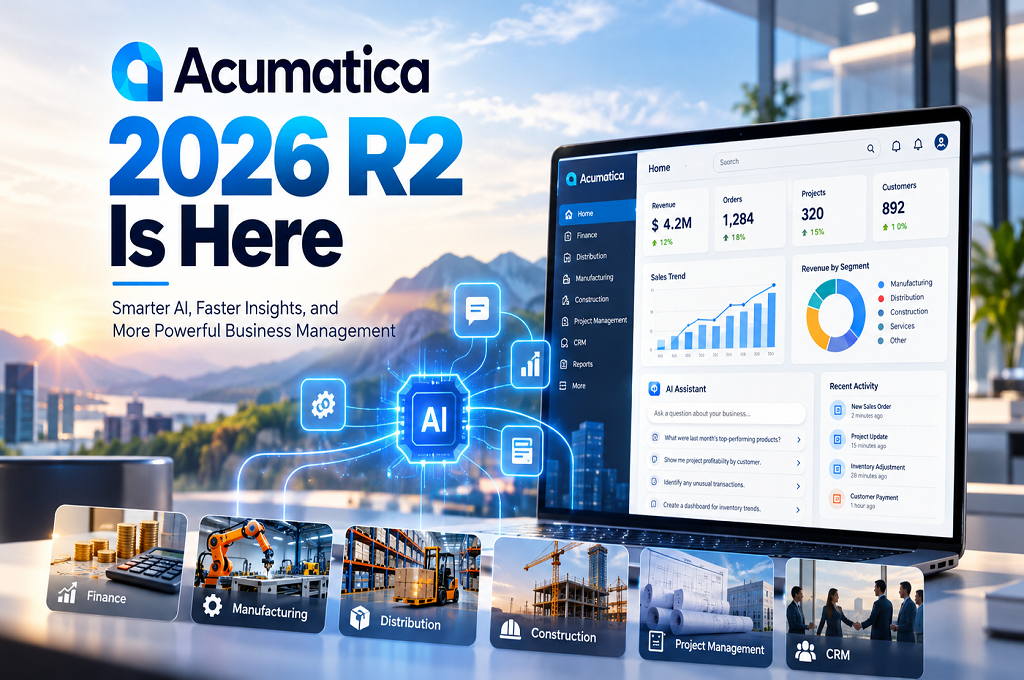
Acumatica 2026 R2 Is Here: What’s New?

Sage CRM + Sage ERP Integration: Connecting Sales With the Rest of Your Business
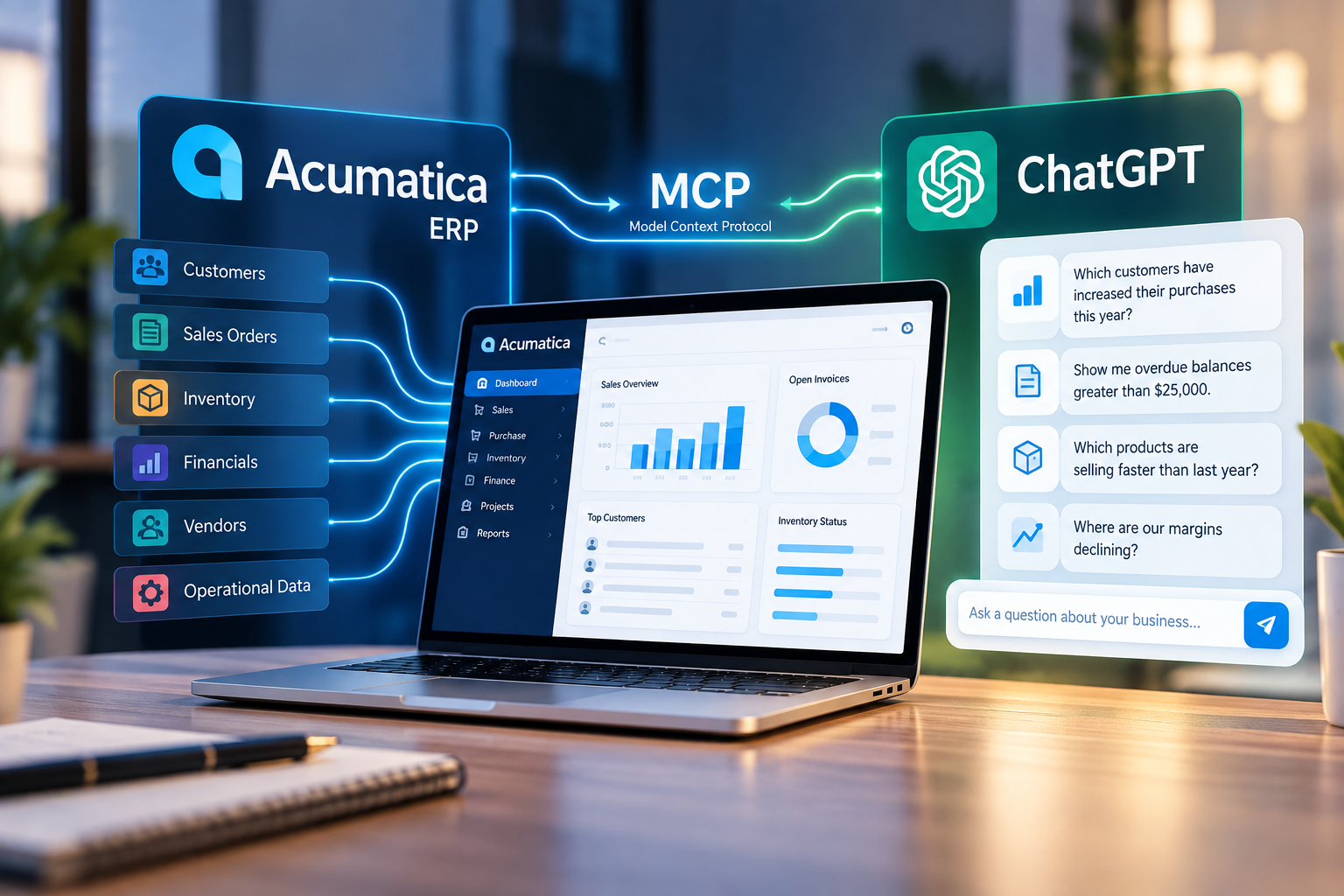
Acumatica + ChatGPT: What the New MCP Connection Means for Your Business
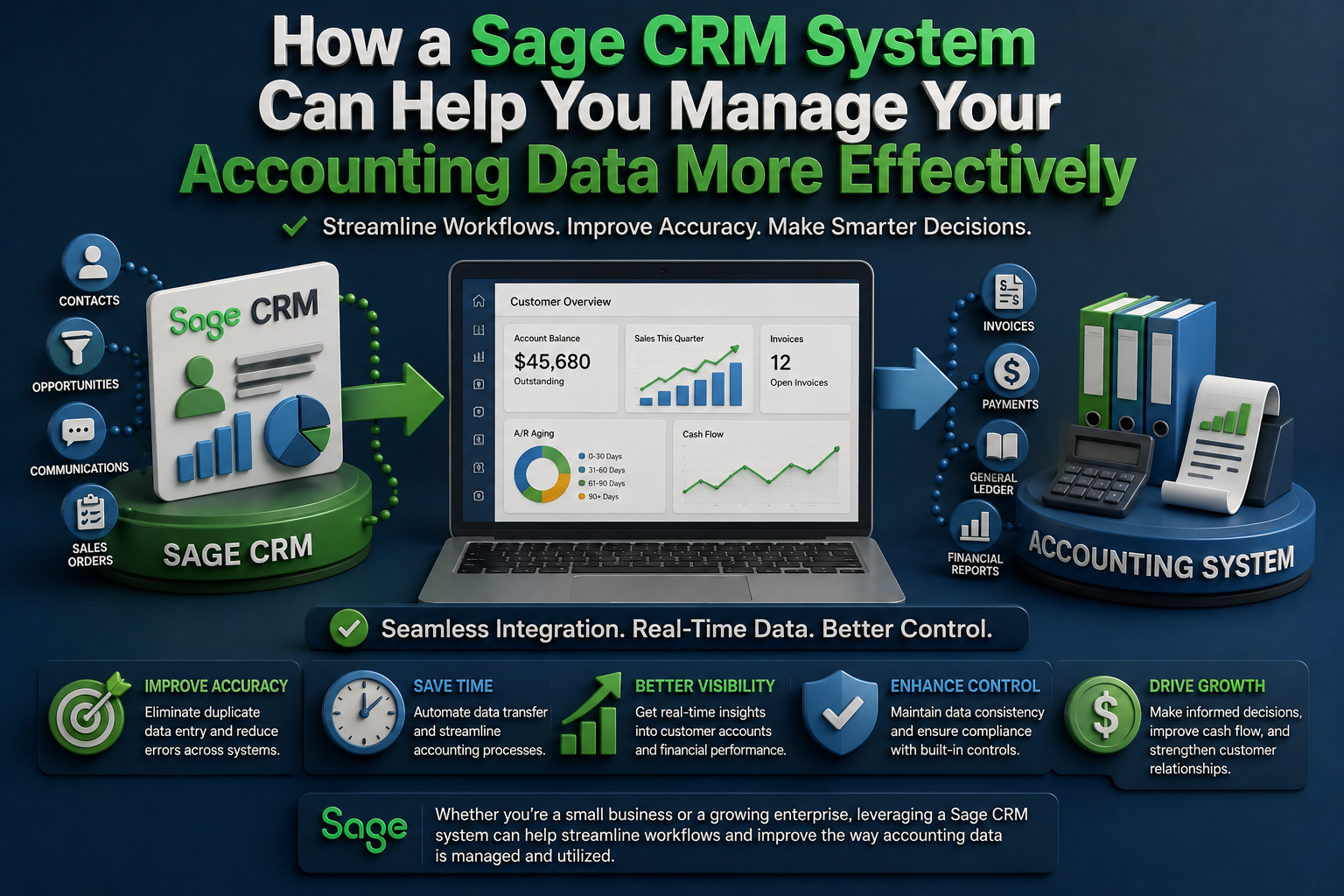
How a Sage CRM System Can Help You Manage Your Accounting Data More Effectively
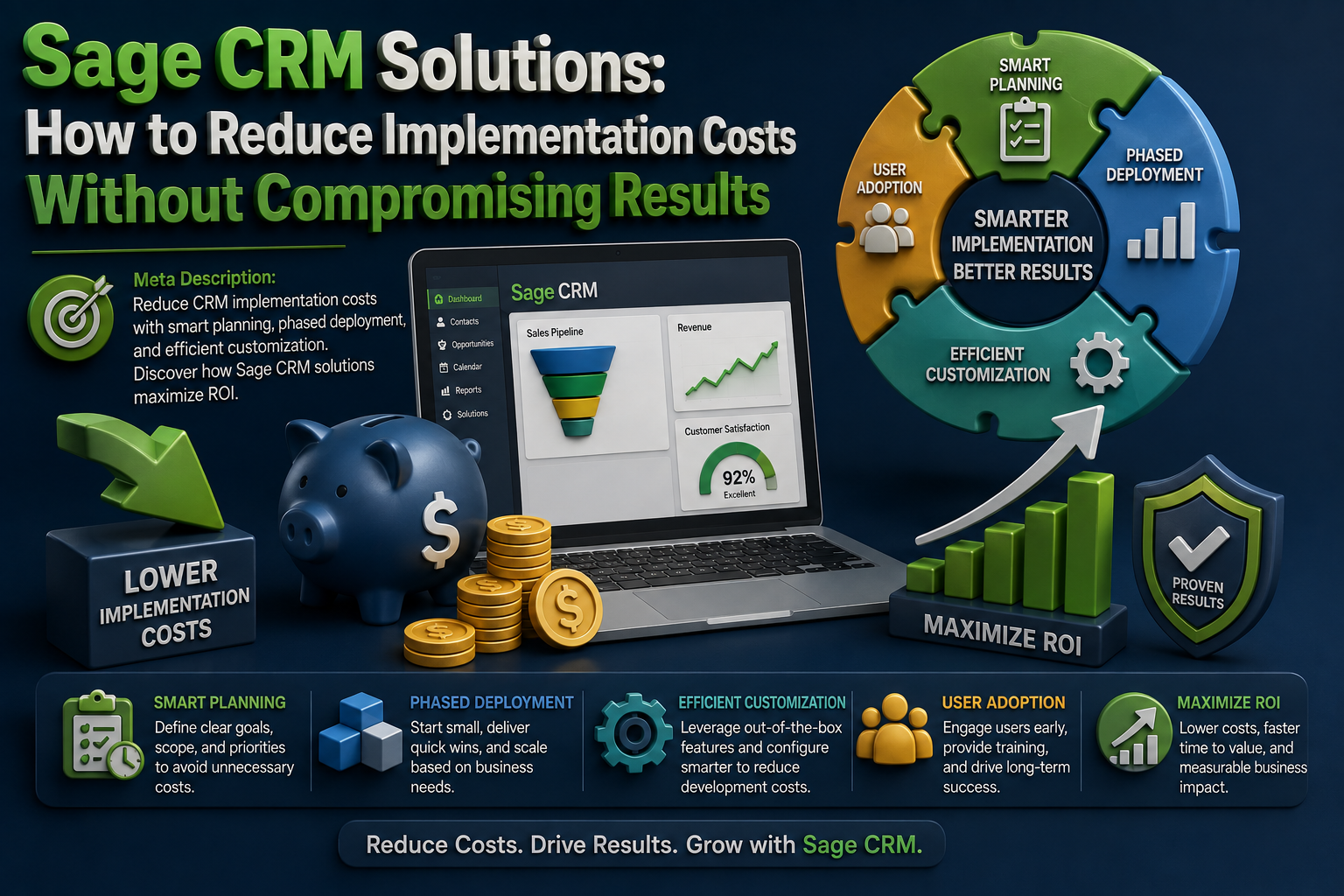
Sage CRM Solutions: How to Reduce Implementation Costs Without Compromising Results