


In today’s interconnected world, a resilient and transparent supply chain isn’t just a competitive advantage—it’s a necessity. From unpredictable global events to rapidly shifting consumer demands, disruptions are an inevitable part of the landscape. The question isn’t if they’ll happen, but how quickly and effectively your supply chain can adapt and recover.

The secret sauce to navigating this complexity? Workflow automation.
At its core, workflow automation is about streamlining and standardizing processes, from procurement and production to logistics and delivery. But its impact extends far beyond simple efficiency gains. When implemented strategically, workflow tools become the bedrock for superior supply chain transparency, traceability, and responsiveness.
Let’s explore how workflow automation can revolutionize your supply chain:
Consider the benefits for demand forecasting. By automating the collection and analysis of sales data, market trends, and even external factors, workflow tools can feed more accurate information into your forecasting models, leading to better inventory management and reduced waste. Similarly, for logistics optimization, automated workflows can manage carrier selection, track shipments, and even handle customs documentation, ensuring smooth and efficient movement of goods.
The time to invest in your supply chain’s resilience is now. Embrace the power of integrated workflow solutions to gain unparalleled visibility, enhance traceability, and build a supply chain that can not only withstand disruptions but thrive in their wake.
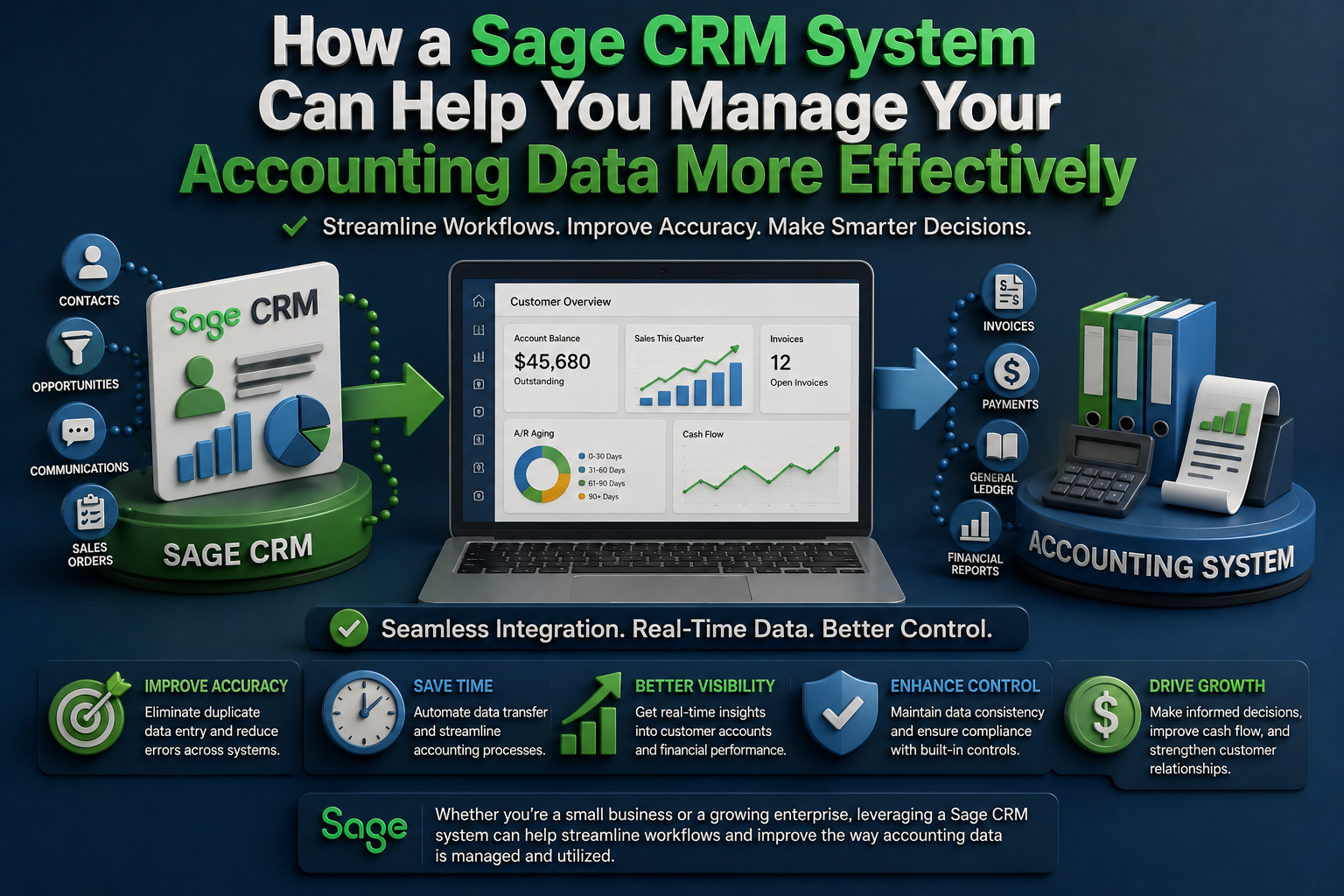
How a Sage CRM System Can Help You Manage Your Accounting Data More Effectively
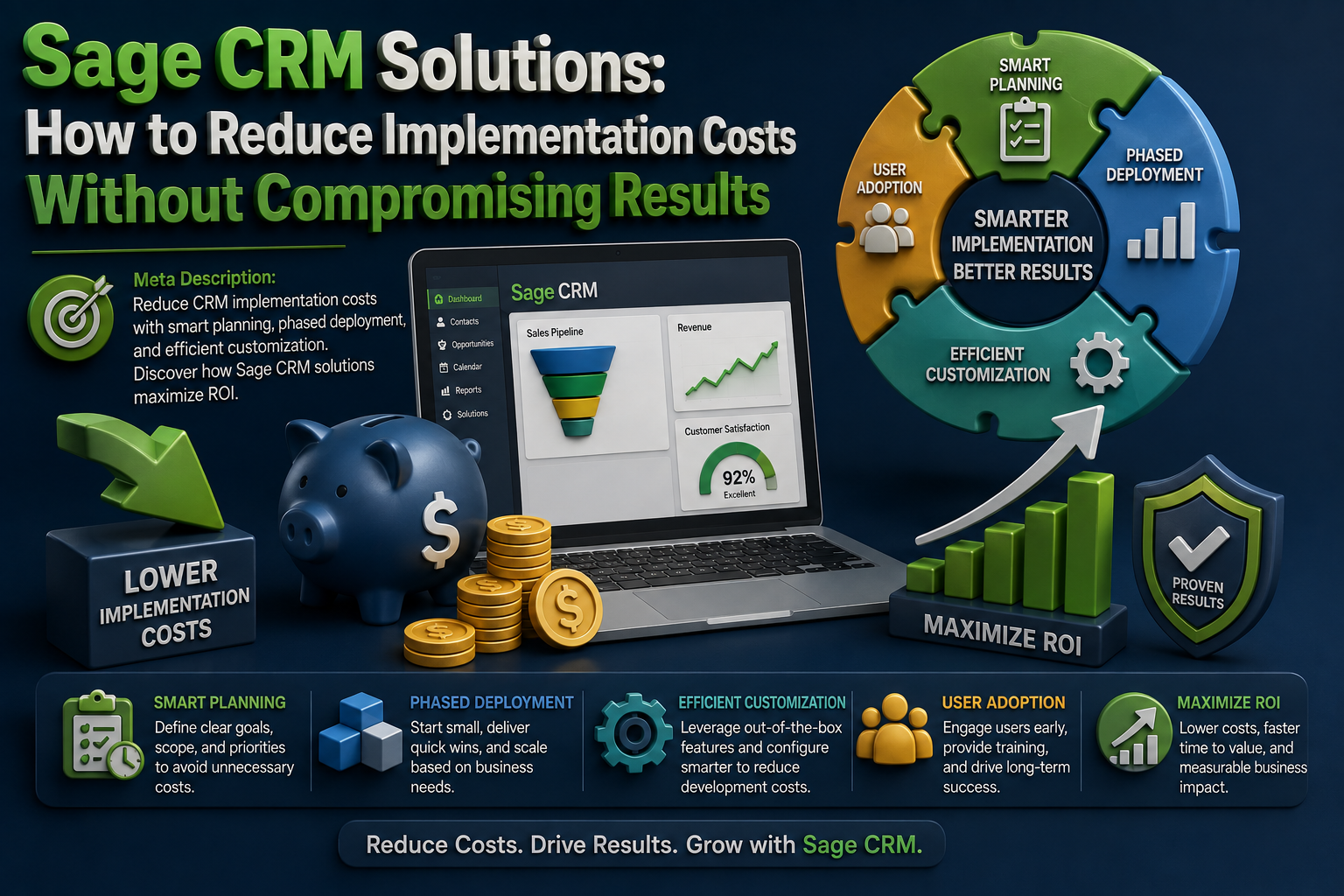
Sage CRM Solutions: How to Reduce Implementation Costs Without Compromising Results
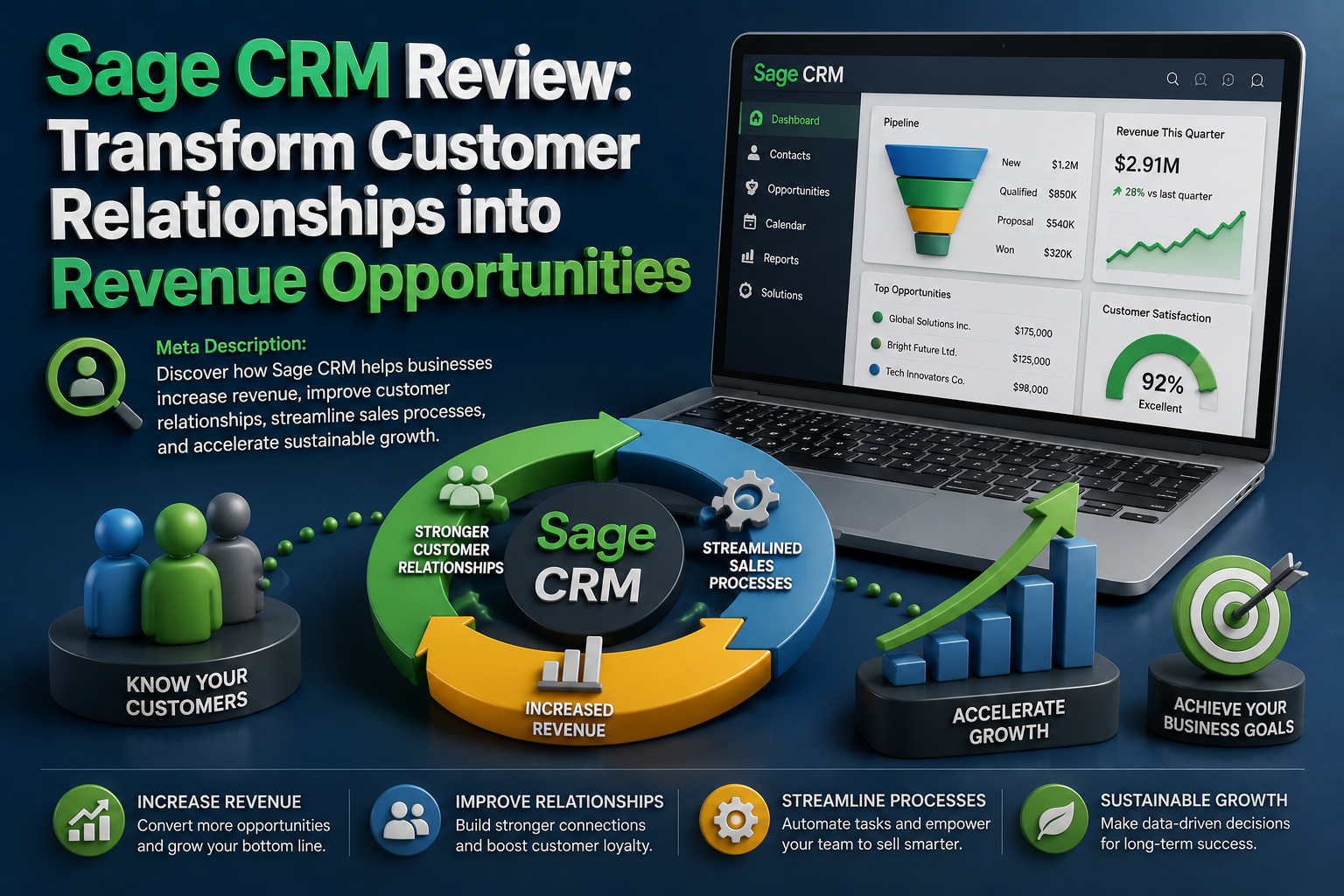
Sage CRM Review: Transform Customer Relationships into Revenue Opportunities
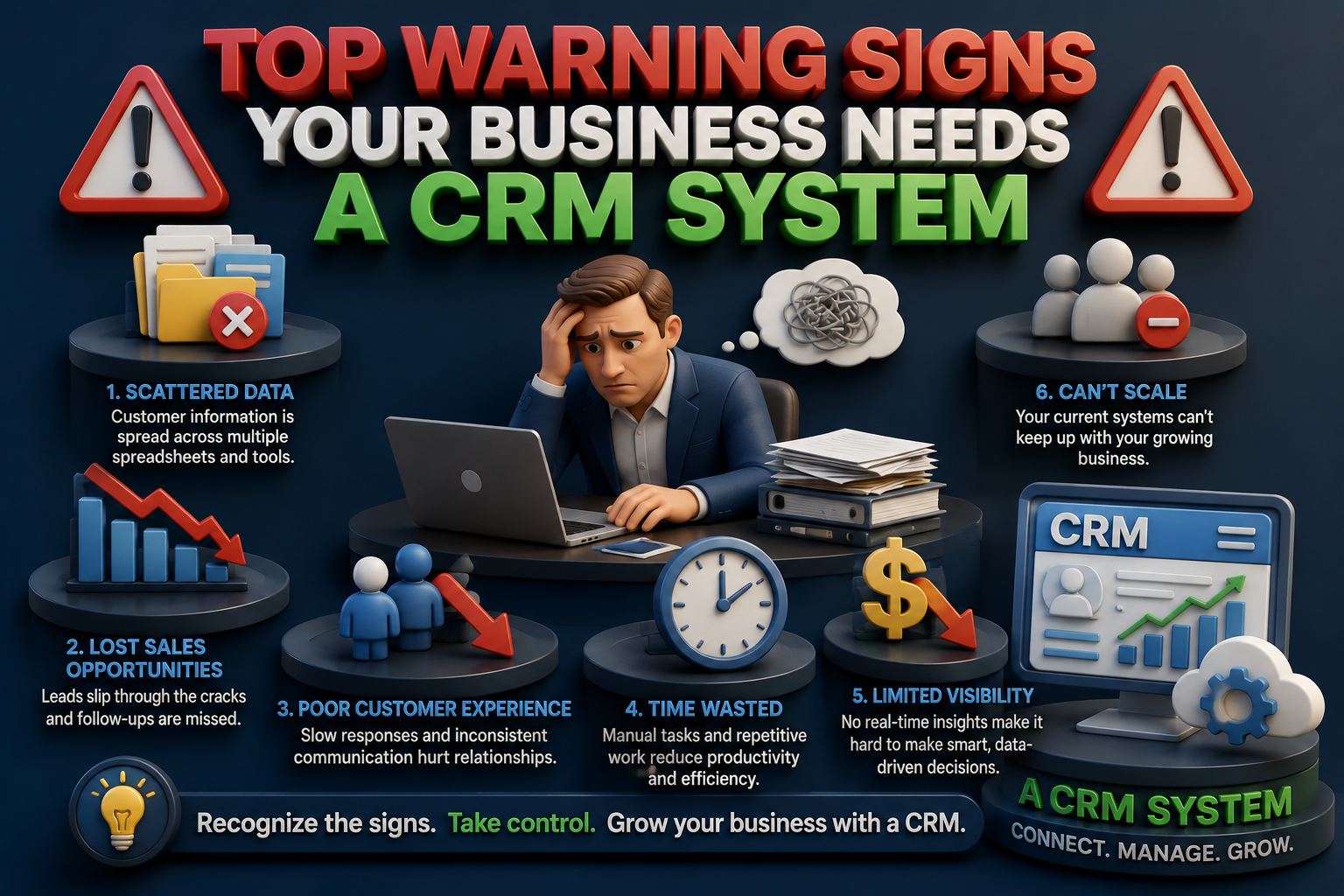
Top Warning Signs Your Business Needs a CRM System
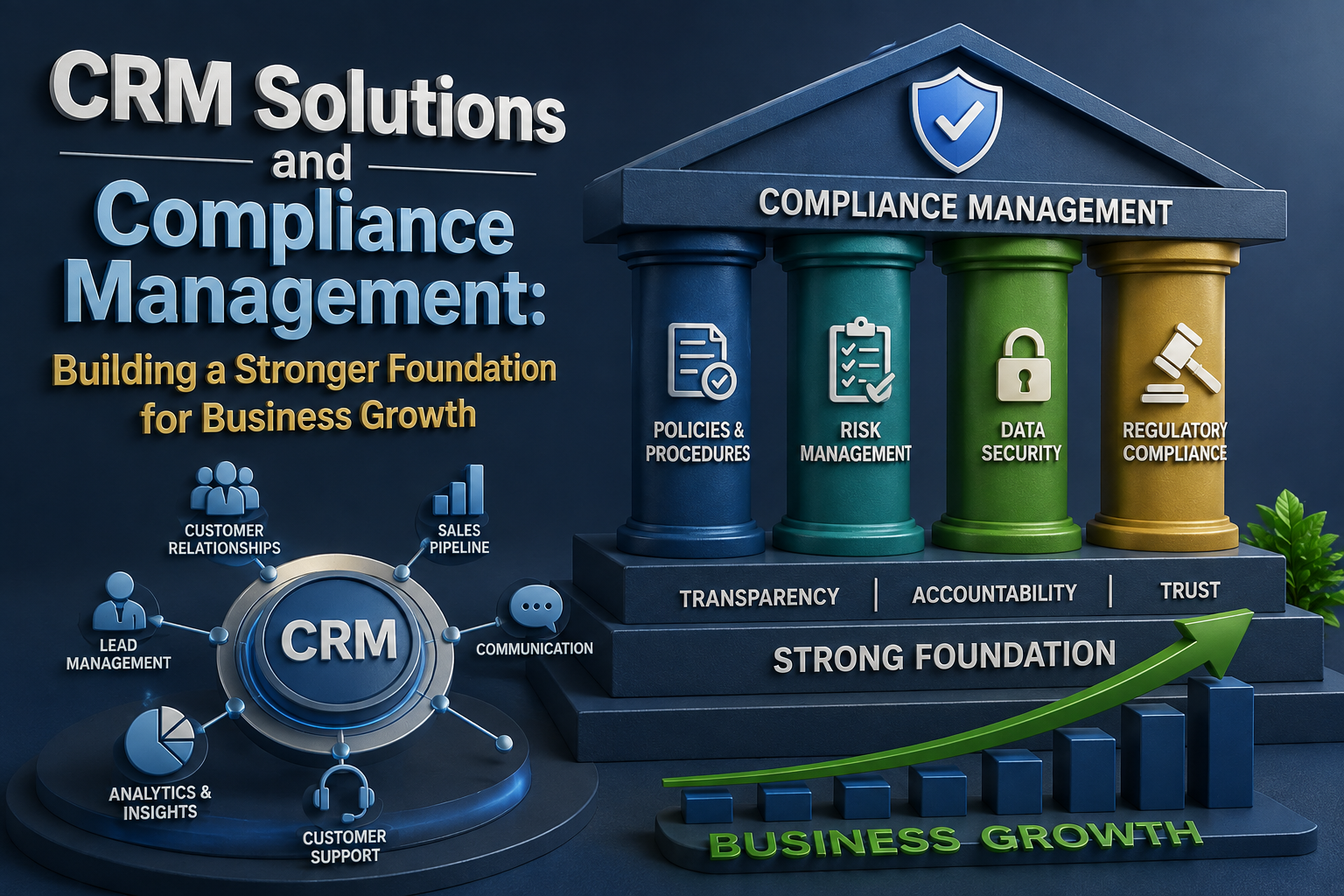
CRM Solutions and Compliance Management: Building a Stronger Foundation for Business Growth