

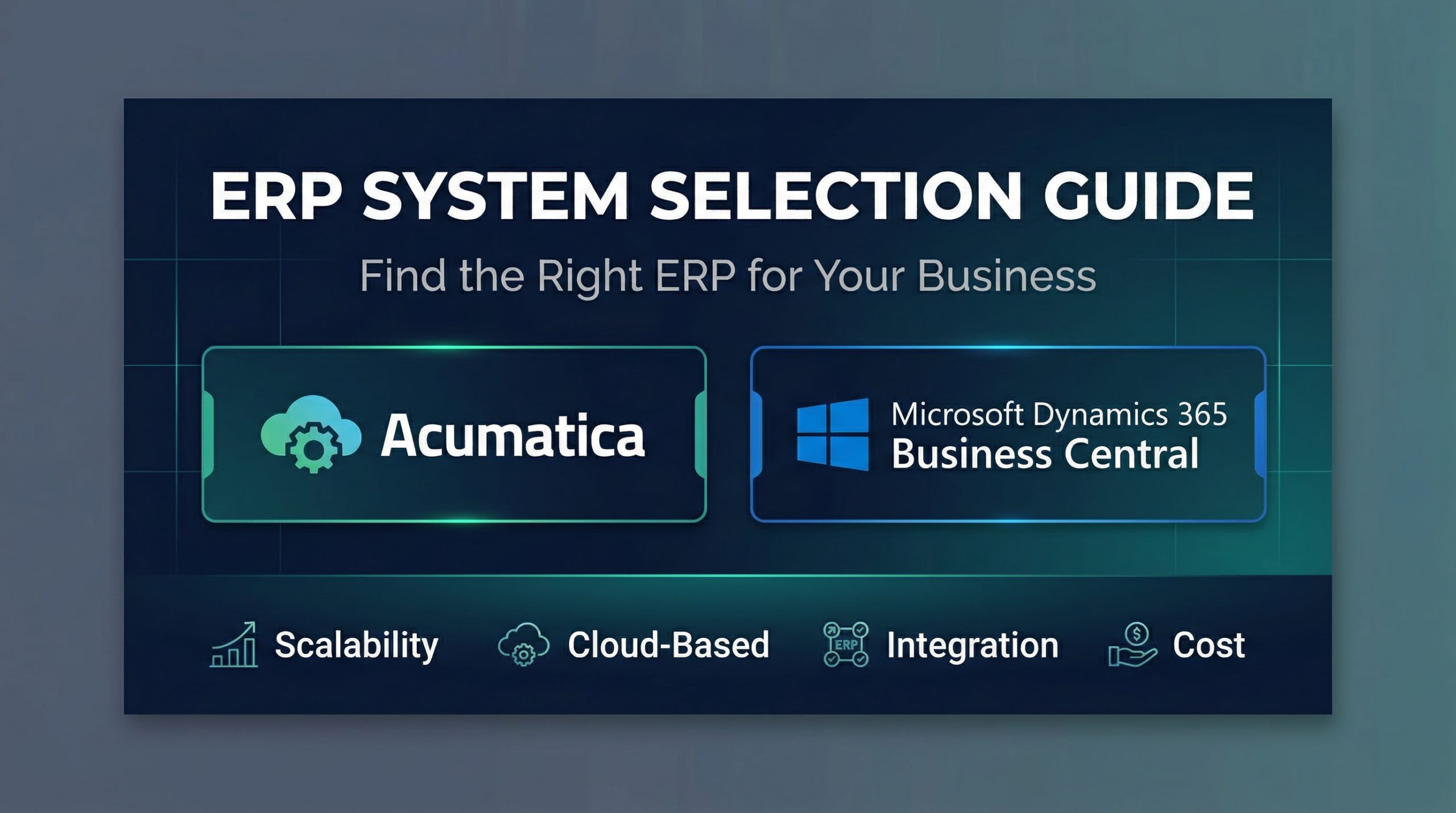
For companies evaluating a modern ERP system, the conversation often starts with two strong contenders: Acumatica and Microsoft Dynamics 365 Business Central. Both platforms are powerful cloud ERP solutions designed for growing small and mid‑market businesses, offering automation, visibility, and scalability.
But after years of working with organizations implementing ERP systems, one thing becomes clear: the real question is rarely which ERP is better. The real question is whether the company is solving the right problem in the first place.
Sometimes the answer is Acumatica. Sometimes it’s Business Central. And sometimes — it’s something entirely different.
Companies often begin their ERP journey by comparing features: Which system has better inventory? Which handles manufacturing better? Which integrates more easily with CRM? Which has stronger financial reporting?
These are important questions. But they come after the most critical one: What business problem are you actually trying to solve?
Common drivers include:
• Lack of visibility across operations
• Disconnected systems and spreadsheets
• Manual accounting processes
• Scaling operations without scaling headcount
• Real-time insight for leadership decisions
ERP is a means to an end — not the end itself.
Acumatica is often an excellent fit for organizations that need strong operational depth, particularly in industries such as construction, distribution, manufacturing, and field services.
Key strengths include:
• Flexible licensing based on resources rather than users
• Deep operational capabilities
• Strong industry-specific modules
• Highly customizable workflows
For organizations with complex operational requirements and growing transaction volumes, Acumatica can be a powerful platform.
Microsoft Dynamics 365 Business Central is often the right choice for organizations that want a tightly integrated Microsoft ecosystem.
Typical advantages include:
• Seamless integration with Microsoft 365
• Built‑in reporting with Power BI
• Familiar user experience for teams already using Microsoft tools
• Strong financial management capabilities
For companies heavily invested in the Microsoft stack, Business Central can deliver rapid adoption and strong financial control.
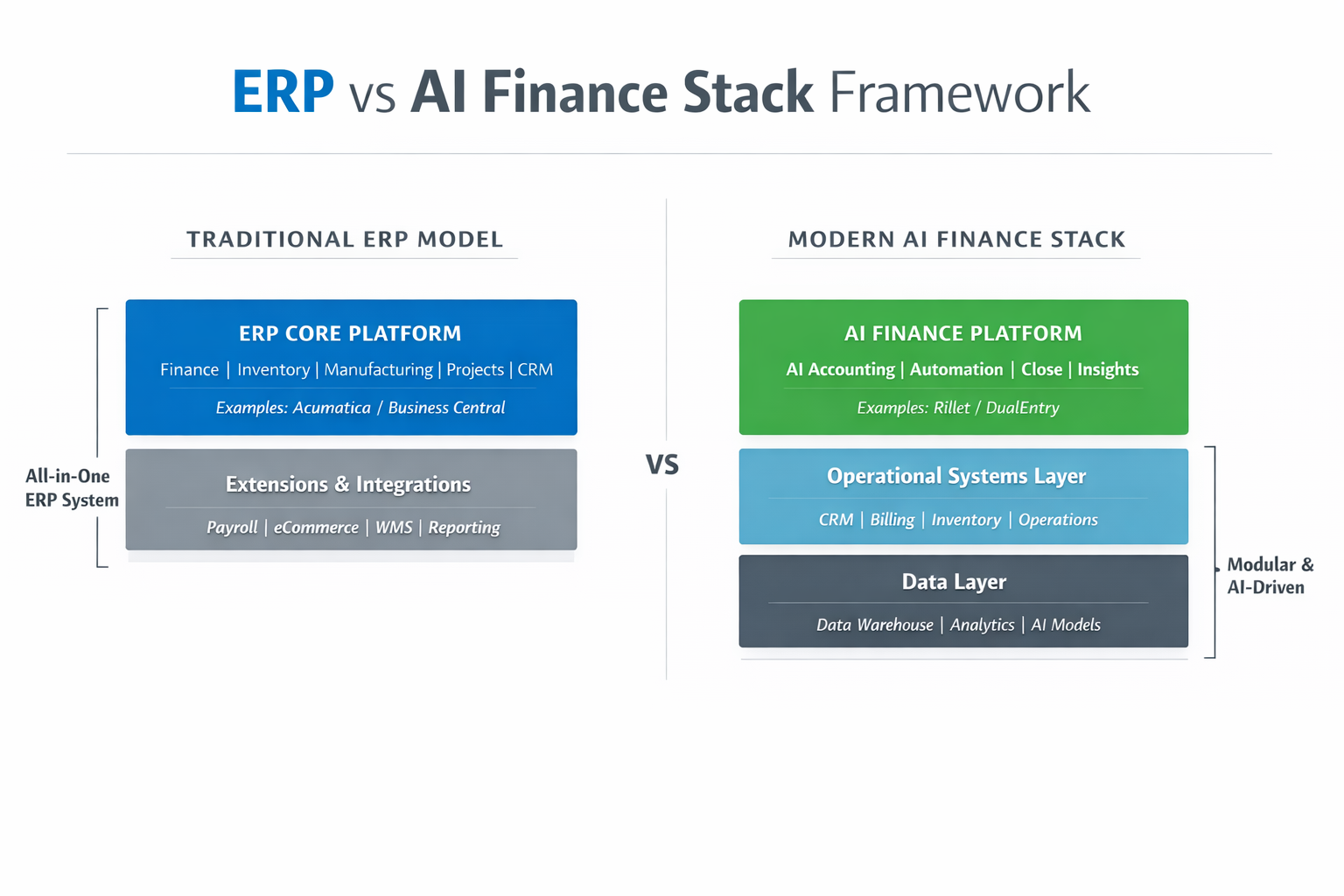
ERP alone doesn’t solve everything anymore. Today’s technology landscape includes AI‑driven financial automation, specialized operational systems, and modern data platforms.
Emerging AI‑native finance platforms are rethinking how accounting and financial operations work. These platforms focus less on traditional ERP structures and more on automation, intelligence, and real‑time financial insights.
In many cases companies are discovering that ERP combined with AI automation, or even AI‑first finance platforms – may perhaps be the better long‑term architecture.
Traditional ERP Model
ERP Core Platform: Finance | Inventory | Manufacturing | Projects | CRM Extensions & Integrations: Payroll | eCommerce | WMS | Reporting
Modern AI Finance Stack
AI Finance Platform: AI Accounting | Automation | Close | Insights Operational Systems Layer: CRM | Billing | Inventory | Operations Data Layer: Data Warehouse | Analytics | AI Models
At Agile Consulting Inc., we believe ERP decisions should never start with software. They should start with the business.
Before recommending platforms such as Acumatica Cloud ERP or Microsoft Dynamics 365 Business Central, we focus on understanding the operational realities of each organization.
Our work typically begins with evaluating:
Only after these factors are clear does the right system architecture emerge.
In many cases, the answer is a modern ERP platform like Acumatica or Business Central.
In other cases, the optimal solution is a modern technology stack that combines ERP with AI automation, specialized operational systems, and advanced analytics.
At Agile Consulting Inc., our role is not simply to implement software. Our role is to help organizations design the operational and technology architecture that supports their next stage of growth.
A good ERP advisor and a consultant do not start with the software. They start with business processes, operational bottlenecks, growth strategy, data requirements, and automation opportunities. Only then does the system choice become clear.
Sometimes it’s Acumatica. Sometimes it’s Business Central. And sometimes the answer is a modern architecture that blends ERP with AI and specialized systems.
ERP decisions shouldn’t be framed as a simple product comparison. They should be framed as a business transformation decision.
The goal isn’t simply implementing software — it’s building a system architecture that allows your business to scale, automate, and make better decisions.
The real question isn’t ‘Which ERP should we choose?’ It perhaps is ‘What system architecture will power the next stage of our growth?’
“Author: A.G. Ghazali, MCP, MCTS, Principal, Consulting Practice, Agile Consulting, Inc.”
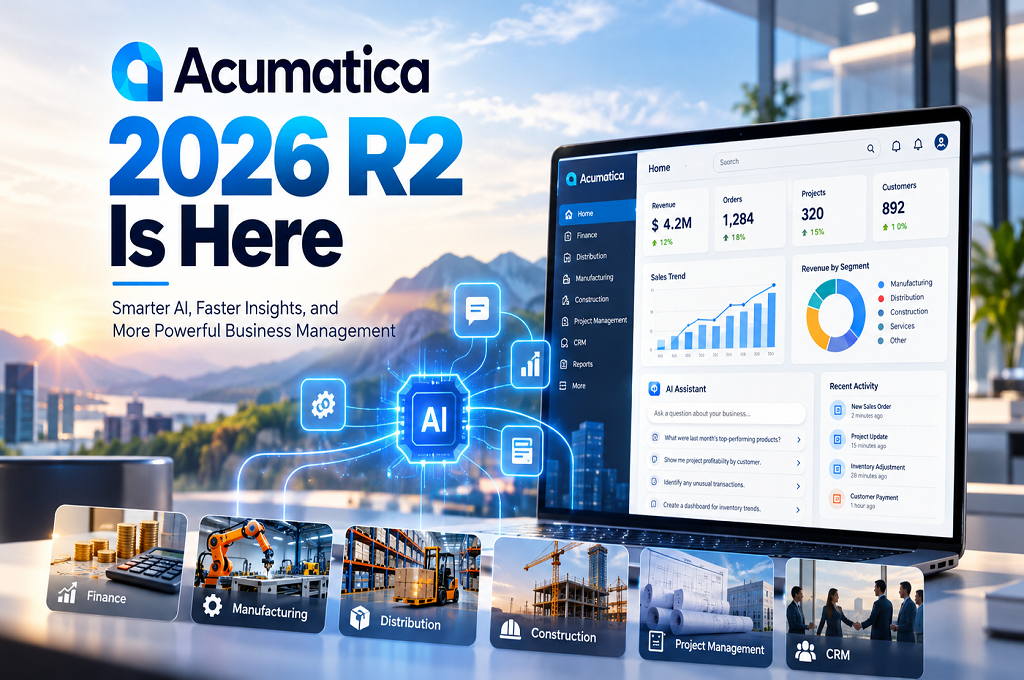
Acumatica 2026 R2 Is Here: What’s New?

Sage CRM + Sage ERP Integration: Connecting Sales With the Rest of Your Business
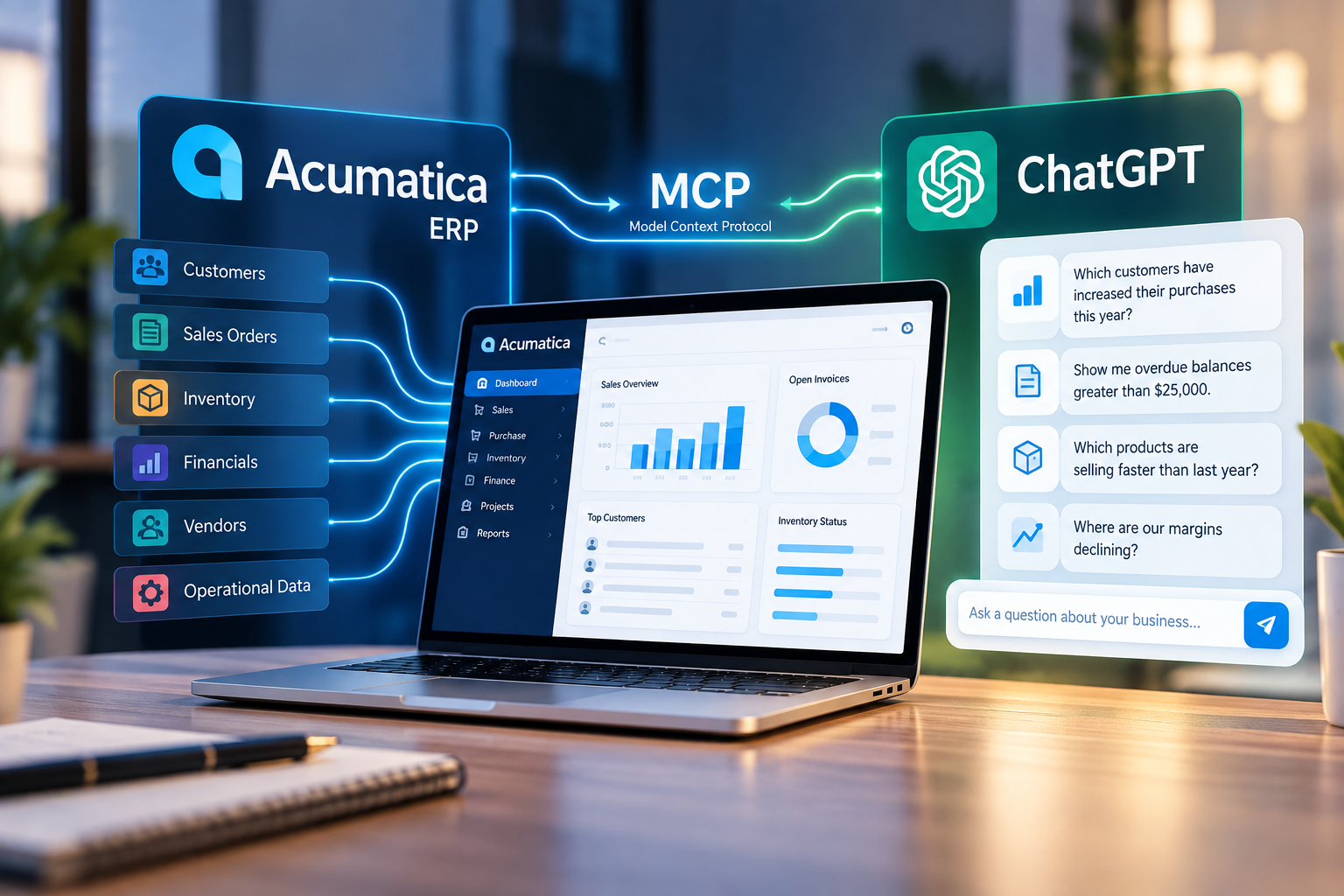
Acumatica + ChatGPT: What the New MCP Connection Means for Your Business
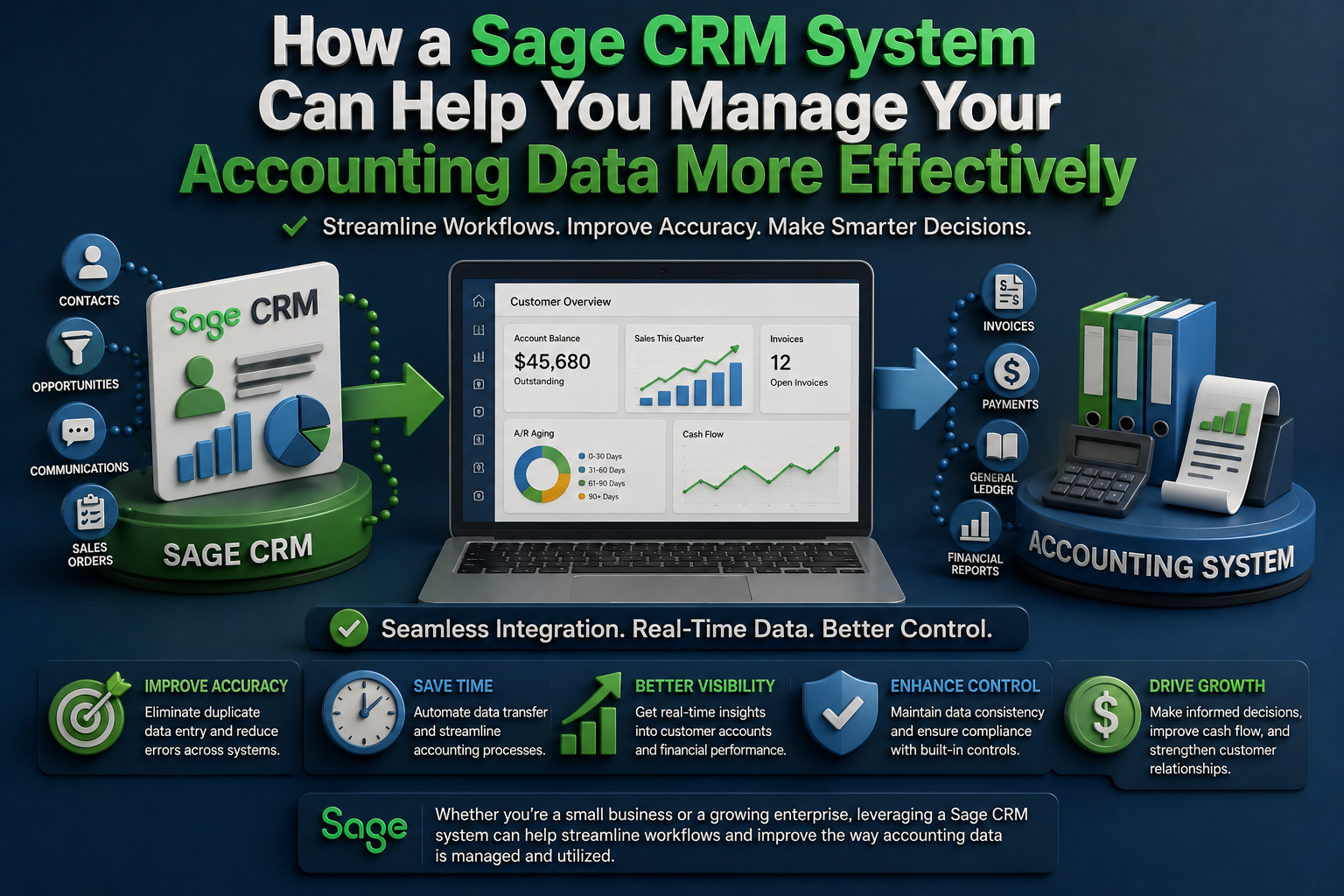
How a Sage CRM System Can Help You Manage Your Accounting Data More Effectively
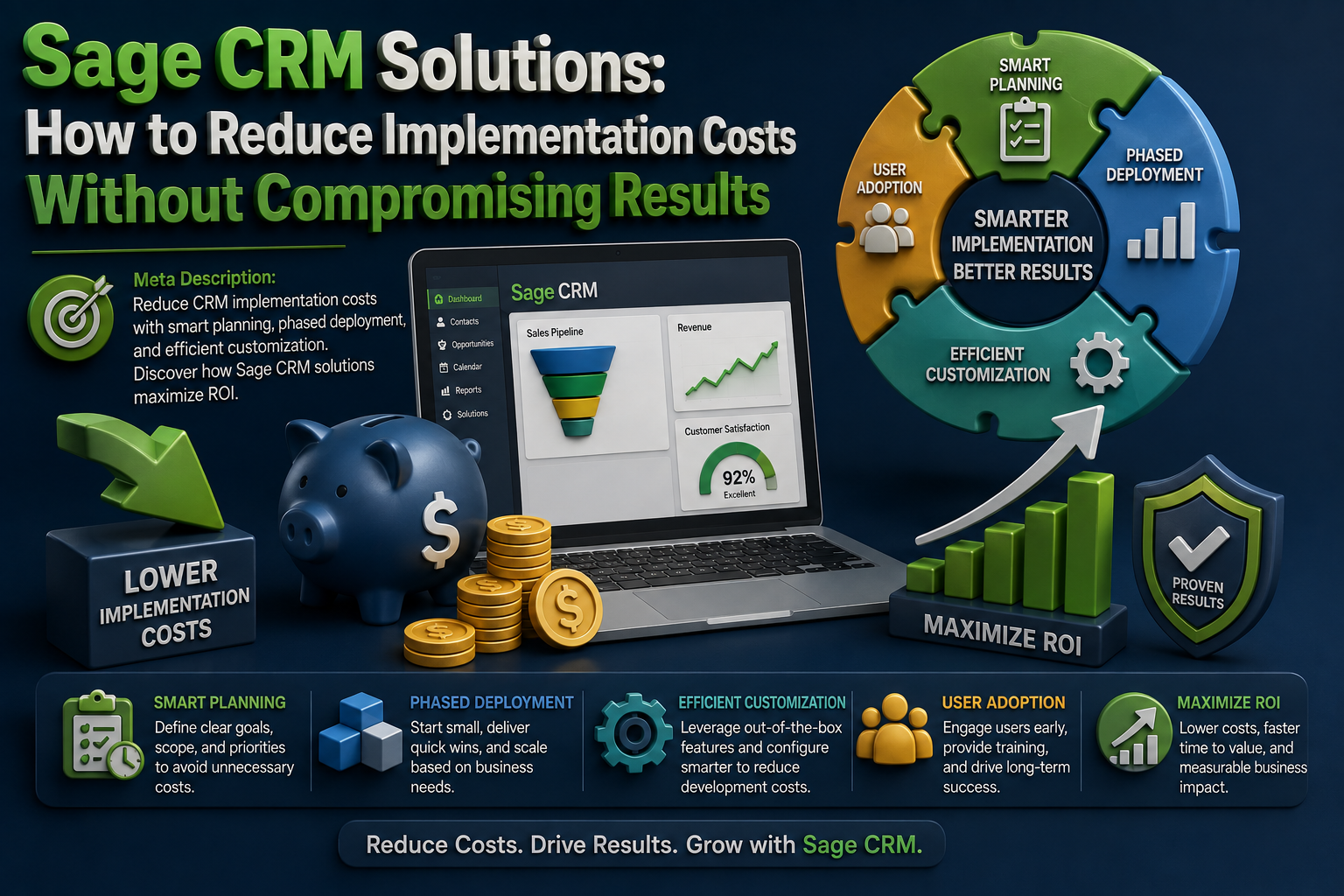
Sage CRM Solutions: How to Reduce Implementation Costs Without Compromising Results