

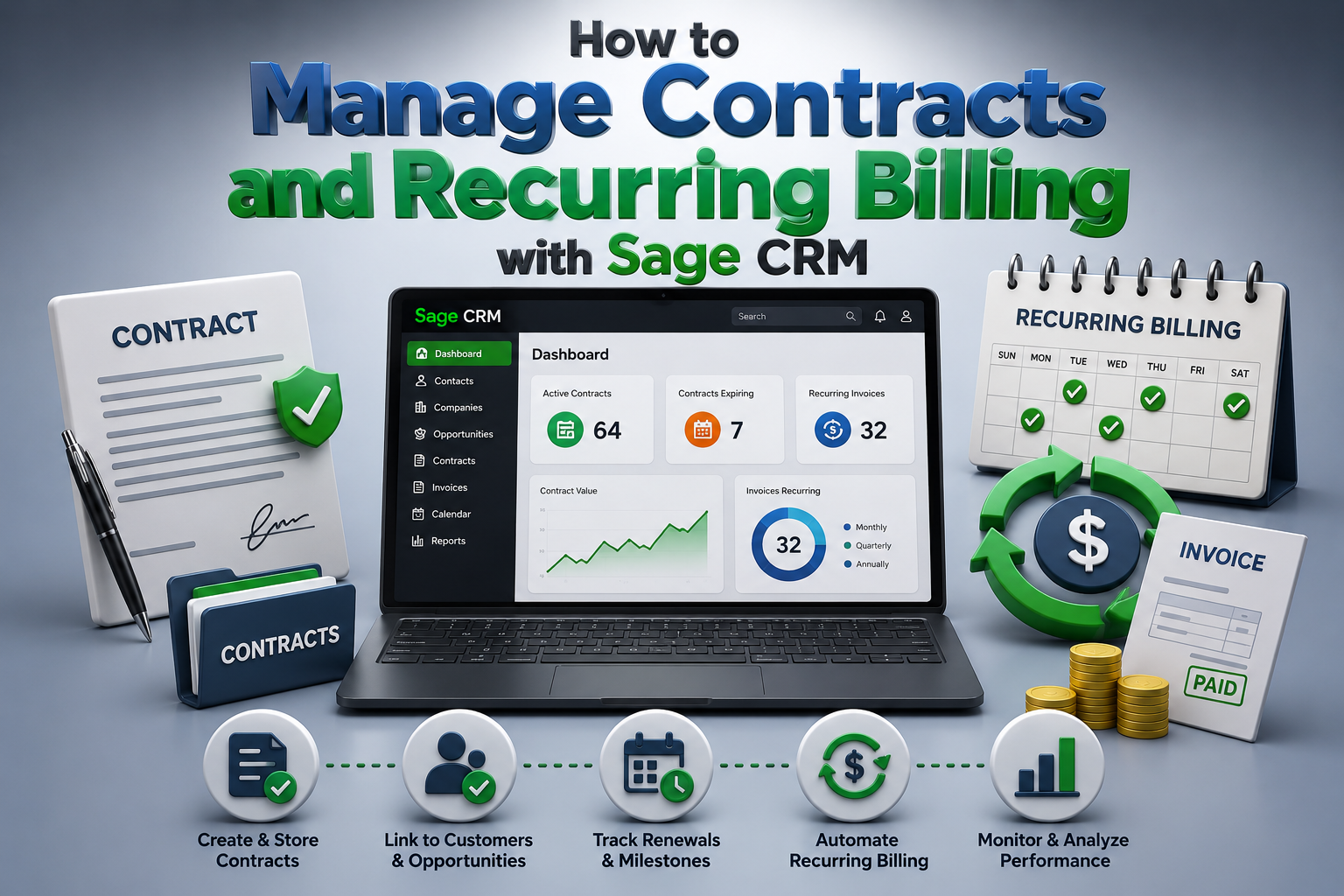
Managing contracts and recurring billing efficiently is critical for businesses that rely on subscriptions, service agreements, or long-term customer relationships. Without a structured system, tracking contract terms, renewal dates, and invoicing cycles can become overwhelming. This is where Sage CRM steps in as a powerful solution, enabling businesses to streamline contract management and automate recurring billing processes.
In this article, we’ll explore how you can effectively manage contracts and recurring billing using Sage CRM, along with best practices to maximize efficiency and revenue.
Understanding Contracts and Recurring Billing in Sage CRM
At its core, Sage CRM is designed to centralize customer information and business processes. When it comes to contract management, it allows you to store, track, and manage agreements tied to customers, ensuring that nothing slips through the cracks.
Recurring billing, on the other hand, refers to automated invoicing for ongoing services or subscriptions. This is especially useful for businesses offering:
With Sage CRM, both contracts and billing data can be linked, making it easier to manage the entire customer lifecycle.
Key Features of Sage CRM for Contract Management
1. Centralized Contract Repository
One of the biggest advantages of using Sage CRM is the ability to store all contracts in a single, easily accessible location. Each contract can be linked to a customer profile, giving your team full visibility into:
This centralized system eliminates the need for scattered spreadsheets and manual tracking.
2. Automated Alerts and Reminders
Missing a contract renewal date can result in lost revenue. Sage CRM helps prevent this by setting up automated alerts and reminders for:
These notifications ensure your sales and finance teams can act proactively rather than reactively.
3. Customizable Workflows
Every business has unique processes. Sage CRM allows you to design workflows that match your organization’s needs, such as:
Custom workflows ensure consistency and reduce human error in managing contracts.
Managing Recurring Billing with Sage CRM
1. Integration with Accounting Systems
Sage CRM integrates seamlessly with Sage accounting solutions, enabling smooth data flow between CRM and financial systems. This integration allows you to:
This reduces duplication and enhances operational efficiency.
2. Automated Invoice Generation
Recurring billing becomes effortless with automation. Once a contract is set up, Sage CRM can:
Automation minimizes errors and ensures consistency in billing.
3. Flexible Billing Structures
Businesses often require flexible billing setups. Sage CRM supports various pricing models, including:
This flexibility allows companies to adapt to different customer needs and business models.
Best Practices for Managing Contracts and Billing
1. Standardize Contract Templates
Using standardized templates ensures consistency and saves time. Sage CRM allows you to create reusable templates for common contract types, making it easier for your team to generate agreements quickly.
2. Maintain Accurate Data
The effectiveness of Sage CRM depends on the quality of data entered. Ensure that all contract and billing details are:
Regular audits can help maintain data accuracy.
3. Leverage Reporting and Analytics
Sage CRM provides reporting tools that help you gain insights into:
By analyzing this data, businesses can make informed decisions and identify growth opportunities.
4. Train Your Team
Even the best system won’t deliver results without proper usage. Invest in training your team to:
Well-trained employees can maximize the platform’s potential.
Benefits of Using Sage CRM for Contracts and Recurring Billing
Implementing Sage CRM for contract management and recurring billing offers several advantages:
Common Challenges and How Sage CRM Solves Them
Challenge 1: Missed Renewals
Without proper tracking, renewal opportunities can be lost. Sage CRM solves this with automated reminders and alerts.
Challenge 2: Billing Errors
Manual billing processes often lead to mistakes. Automated invoicing in Sage CRM ensures accuracy and consistency.
Challenge 3: Data Fragmentation
When data is scattered across systems, managing contracts becomes difficult. Sage CRM centralizes all information, providing a single source of truth.
Why Businesses Choose Sage CRM
Businesses across industries prefer Sage CRM because of its adaptability and integration capabilities. It not only supports contract and billing processes but also enhances overall customer relationship management.
By linking sales, service, and financial data, Sage CRM provides a holistic view of your business operations, allowing you to make smarter decisions and improve efficiency.
Final Thoughts
Managing contracts and recurring billing doesn’t have to be complicated. With Sage CRM, businesses can streamline processes, reduce manual work, and improve accuracy. From automated alerts to seamless billing integration, Sage CRM equips organizations with the tools needed to manage long-term customer relationships effectively.
If you’re looking to optimize your CRM strategy and enhance your contract management processes, now is the time to explore the capabilities of Sage CRM.
Learn more and discover the right CRM solution for your business at: https://crmsystems.net/
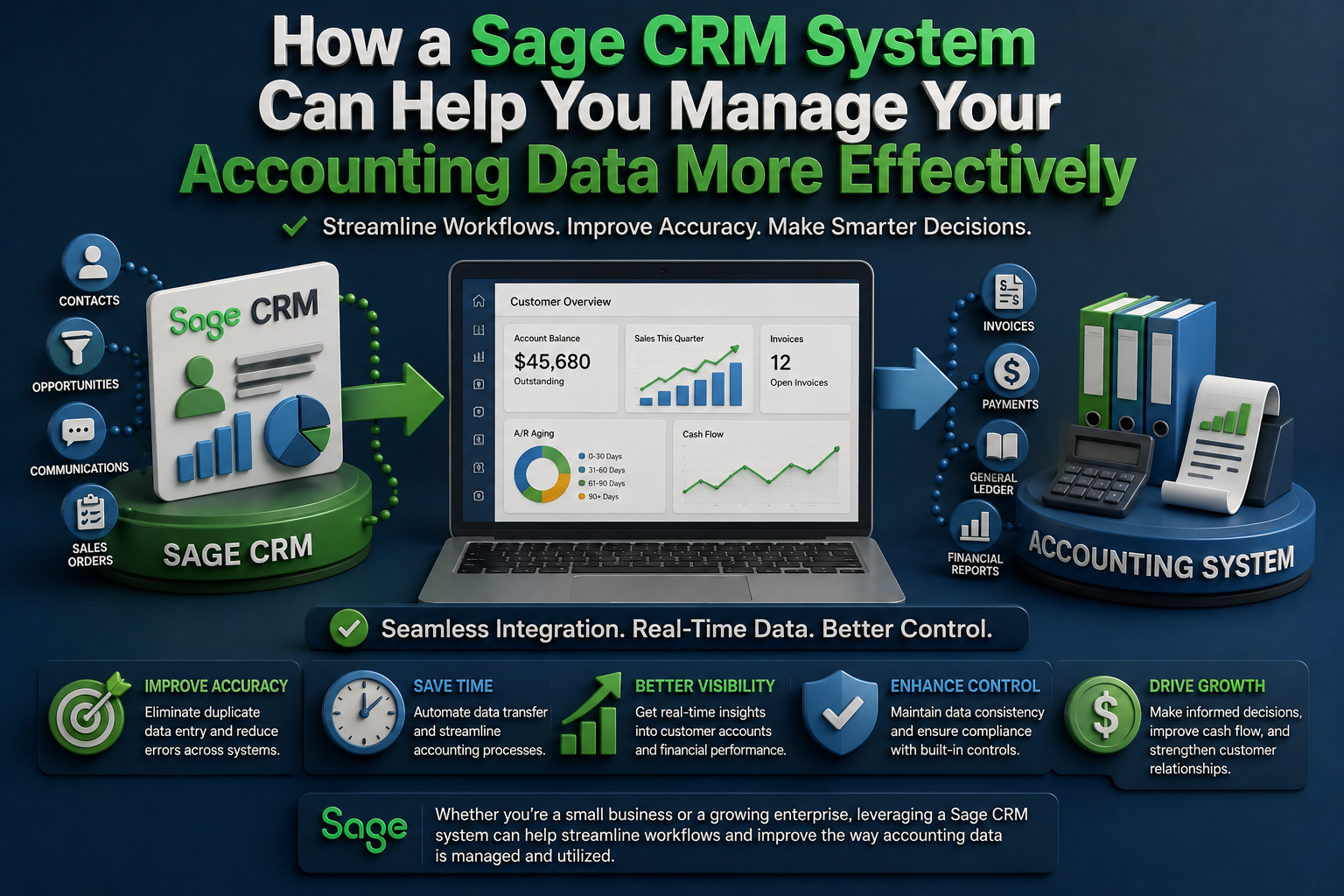
How a Sage CRM System Can Help You Manage Your Accounting Data More Effectively
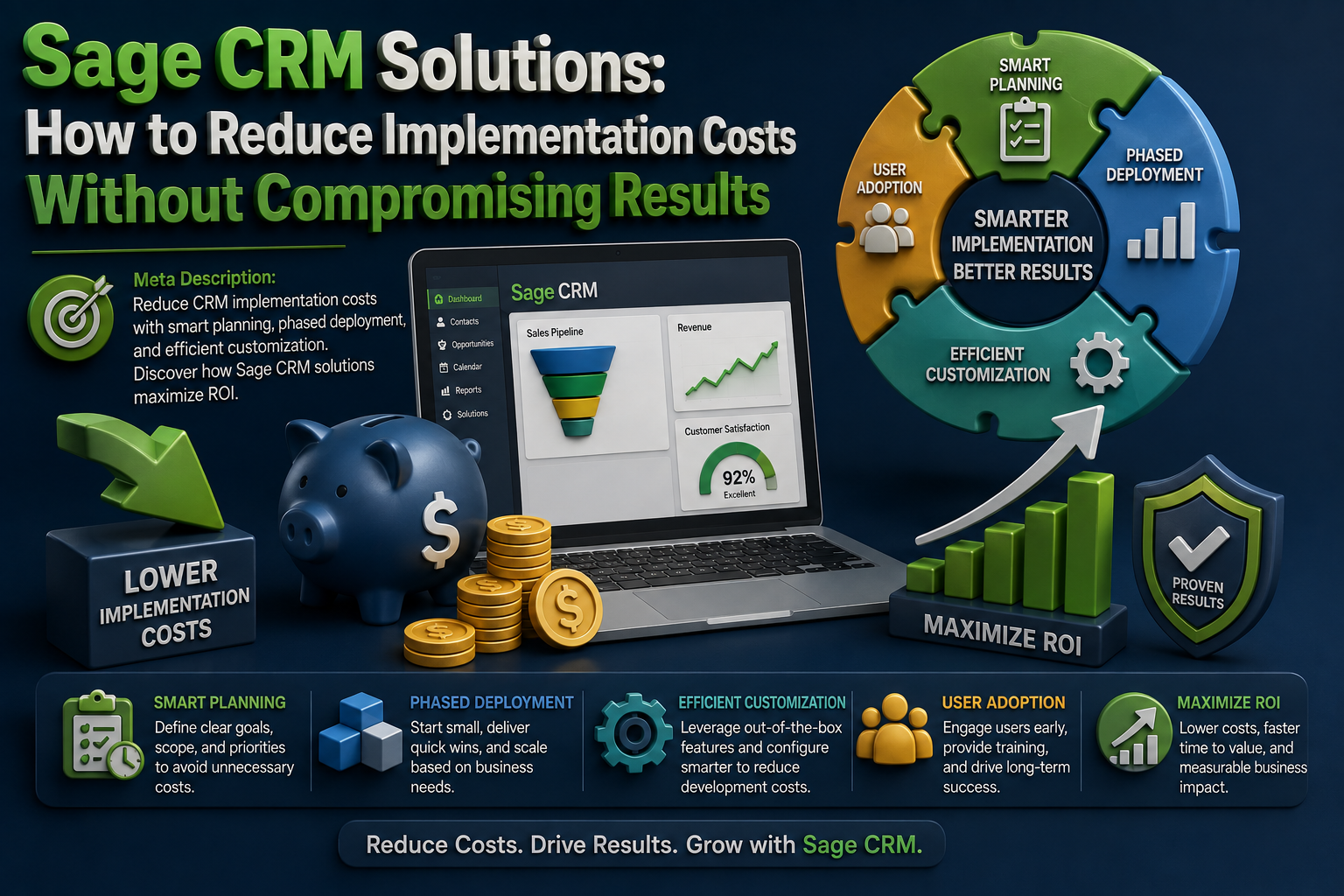
Sage CRM Solutions: How to Reduce Implementation Costs Without Compromising Results
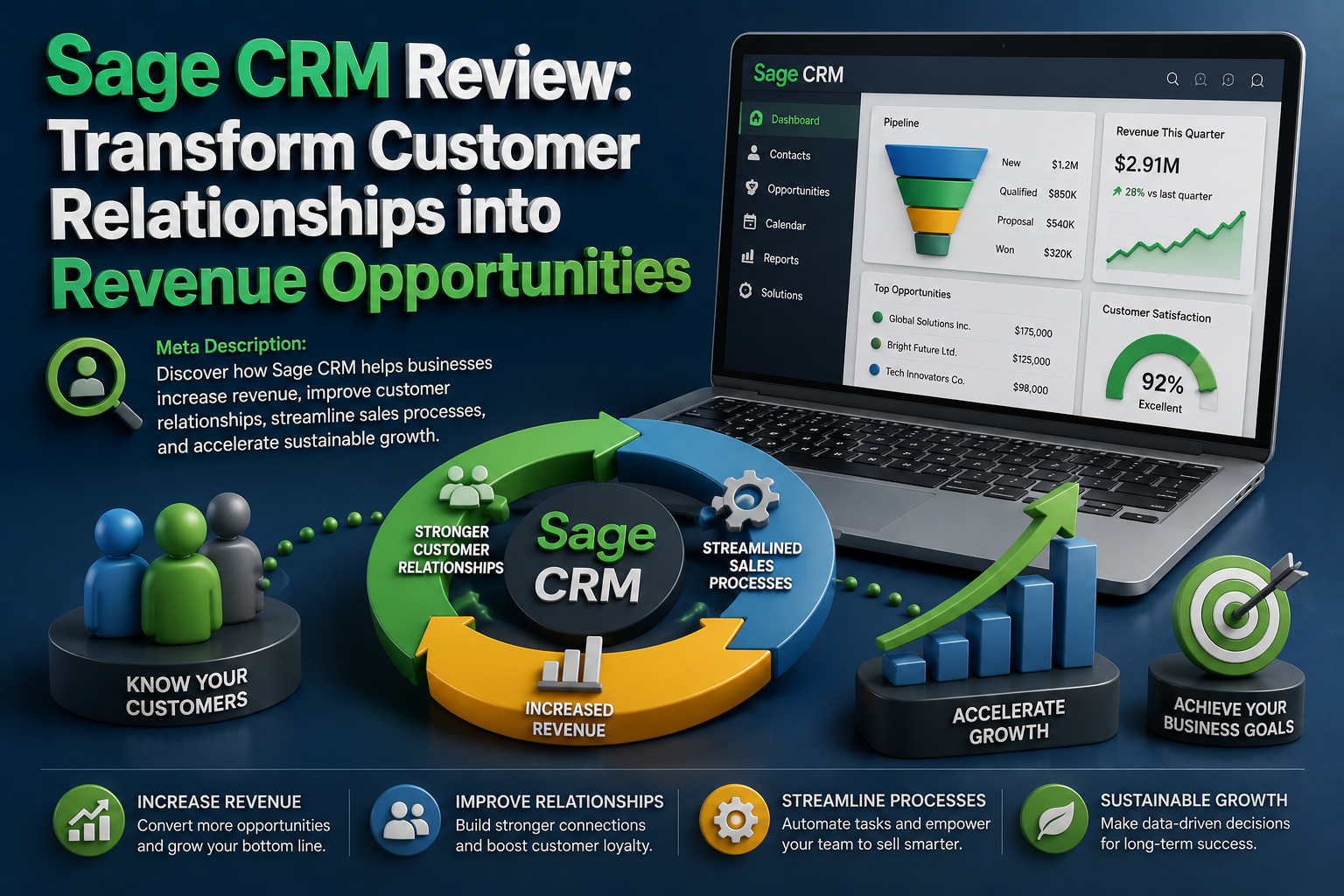
Sage CRM Review: Transform Customer Relationships into Revenue Opportunities
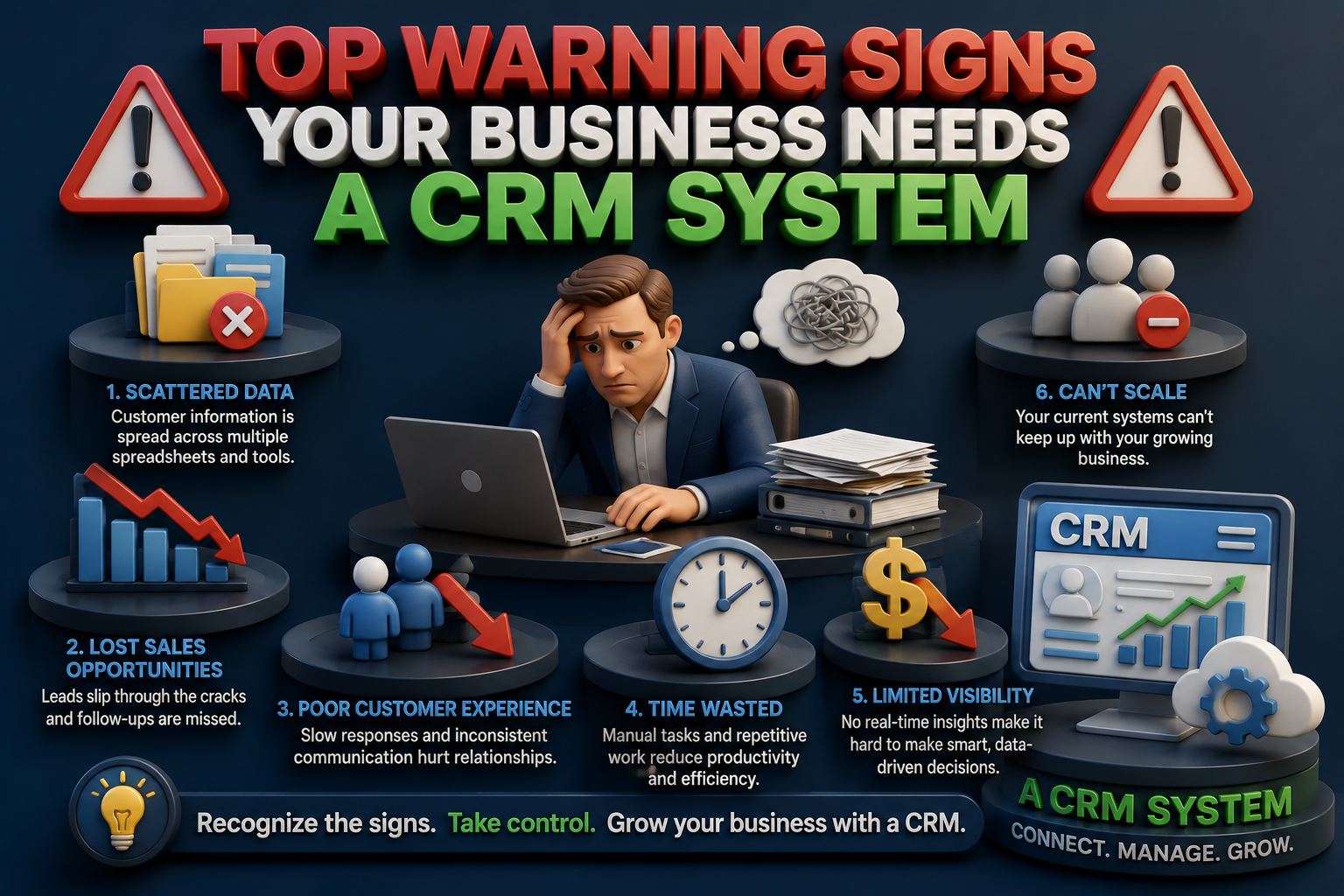
Top Warning Signs Your Business Needs a CRM System
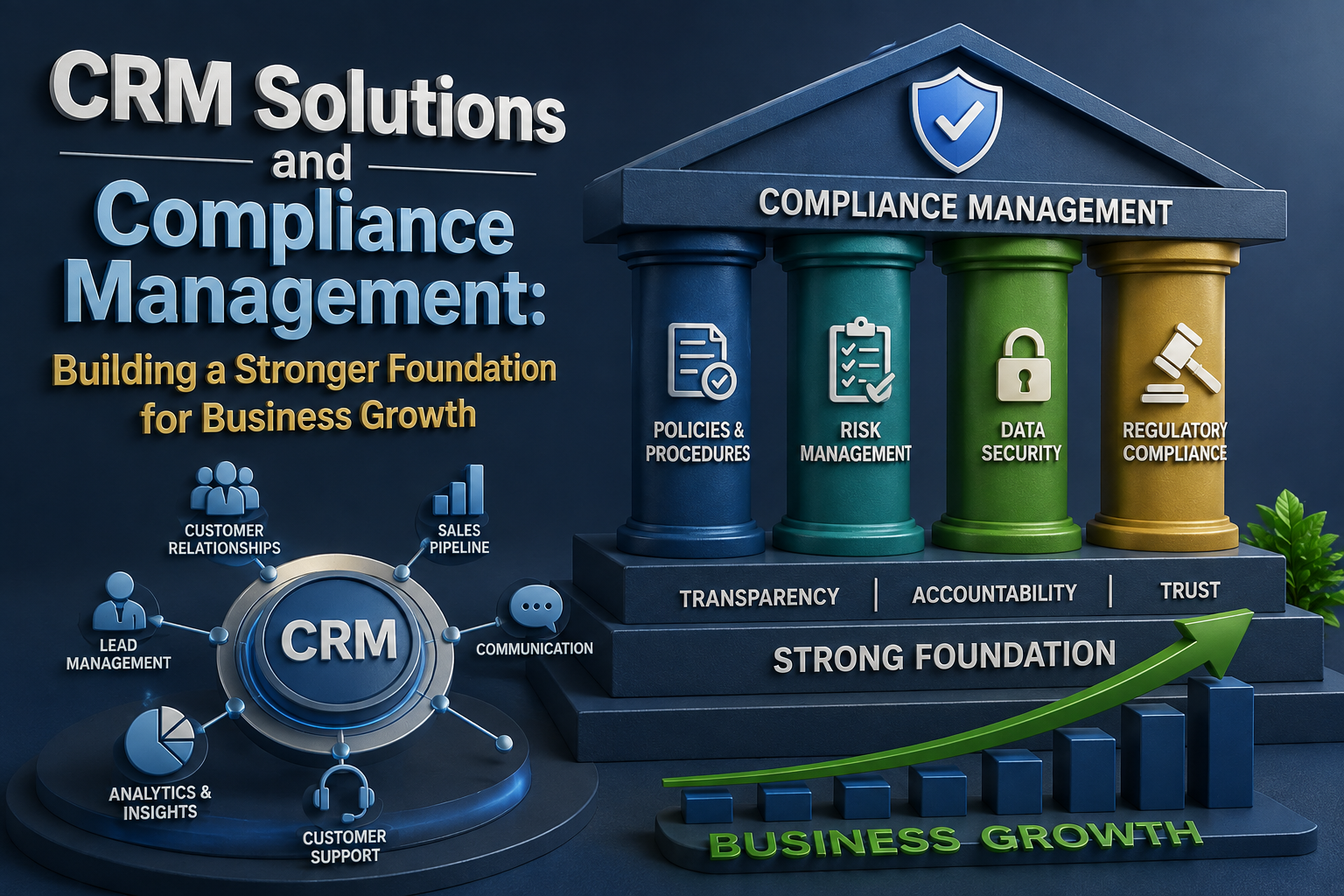
CRM Solutions and Compliance Management: Building a Stronger Foundation for Business Growth