


Running a wholesaler business comes with unique challenges: managing bulk orders, tracking inventory across multiple channels, nurturing long-term client relationships, and ensuring smooth communication between sales teams and suppliers. To stay competitive, wholesalers need more than spreadsheets or basic software; they need robust CRM systems that streamline operations and strengthen customer relationships. But with so many options available, how do you identify which CRM system is best for your business?
Why CRM Systems Matter for Wholesalers
Customer Relationship Management (CRM) systems are designed to centralize customer data, automate workflows, and provide actionable insights. For wholesalers, this means:
Choosing the right CRM system can be the difference between chaotic operations and a well-oiled machine.
Key Factors to Consider
Not all CRM systems are created equal. Some are tailored for retail, others for service industries. Wholesalers should look for CRMs that support bulk order management, tiered pricing, and integration with supply chain tools. A system designed with wholesale in mind will save you from costly customizations later.
Your business may start small, but growth is the goal. The best CRM systems allow you to scale seamlessly adding new users, expanding to multiple warehouses, or handling international clients without disruption. Scalability ensures your CRM grows with you, not against you.
Wholesalers often rely on ERP, accounting software, and inventory management tools. A CRM that integrates smoothly with these systems prevents data silos and reduces manual entry errors. Look for CRMs with strong API support and pre-built integrations.
A powerful CRM is useless if your team struggles to use it. User-friendly interfaces, mobile accessibility, and intuitive dashboards make adoption easier. Training costs drop, and employees are more likely to embrace the system.
Wholesalers thrive on data. The right CRM should provide detailed insights into sales trends, customer behavior, and inventory turnover. Advanced reporting helps you forecast demand, identify top clients, and optimize pricing strategies.
Every wholesaler has unique workflows. A customizable CRM allows you to tailor fields, automate processes, and design dashboards that reflect your business priorities. Flexibility ensures the system adapts to you, not the other way around.
Steps to Identify the Best CRM System
Common Mistakes to Avoid
Benefits of the Right CRM System
When wholesalers choose wisely, CRM systems deliver:
The right CRM doesn’t just manage relationships it transforms your business into a more efficient, customer-focused operation.
Final Thoughts
Identifying the best CRM system for your wholesaler business requires careful evaluation of industry fit, scalability, integration, usability, analytics, and customization. By following a structured approach, you can avoid common pitfalls and select a CRM that truly supports your growth.
If you’re ready to explore CRM solutions tailored to wholesalers, visit CRM Systems today and discover how the right platform can revolutionize your business operations.
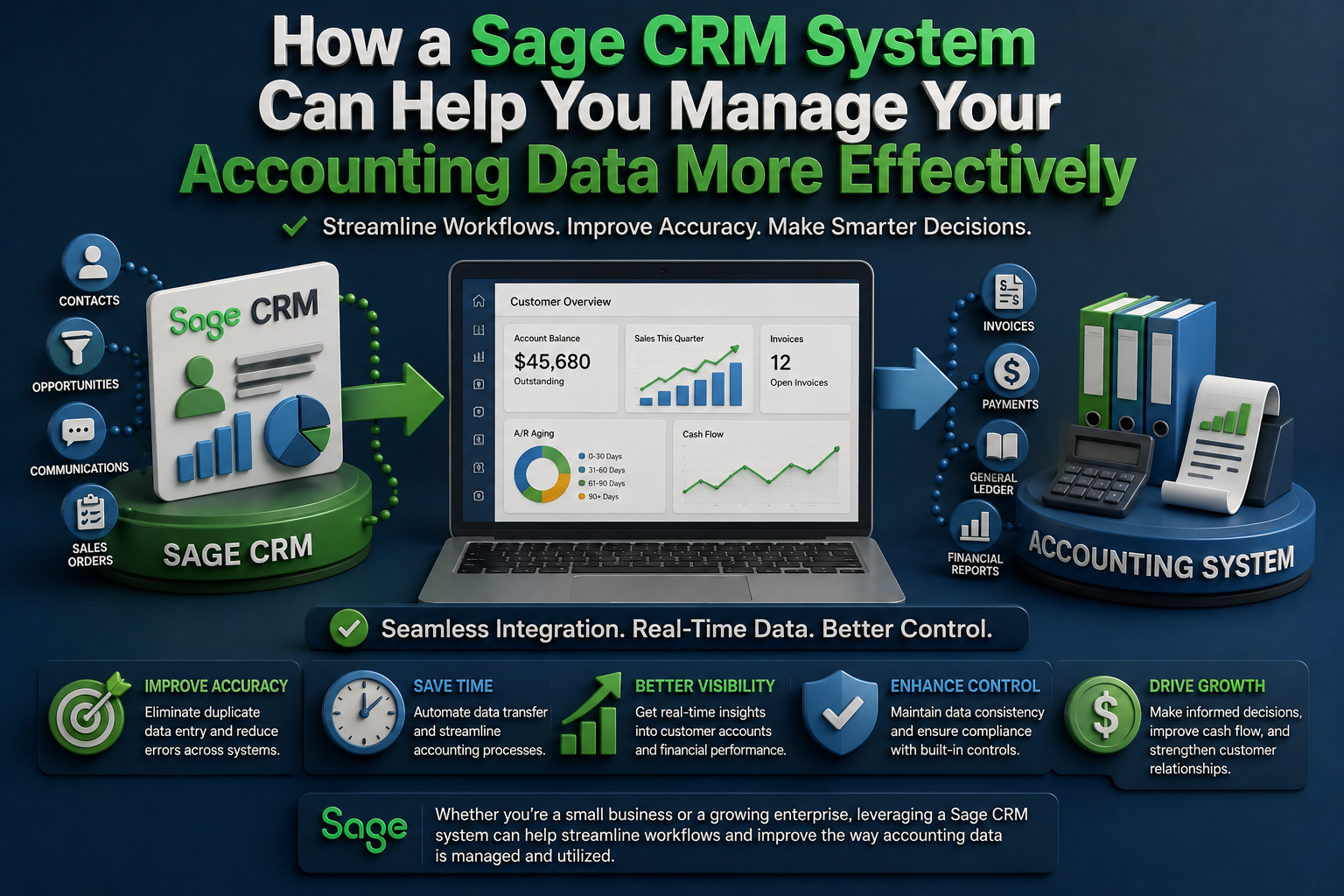
How a Sage CRM System Can Help You Manage Your Accounting Data More Effectively
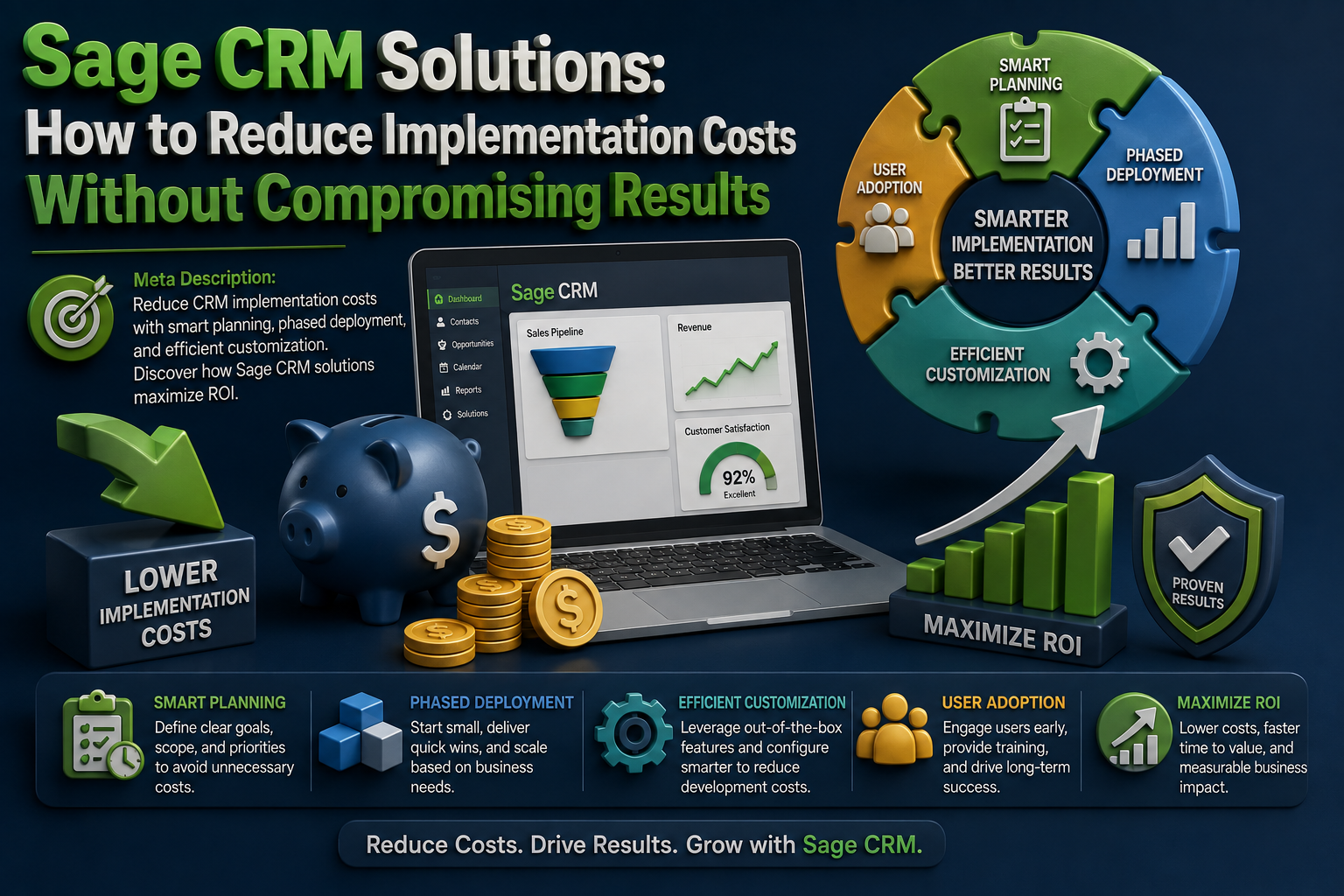
Sage CRM Solutions: How to Reduce Implementation Costs Without Compromising Results
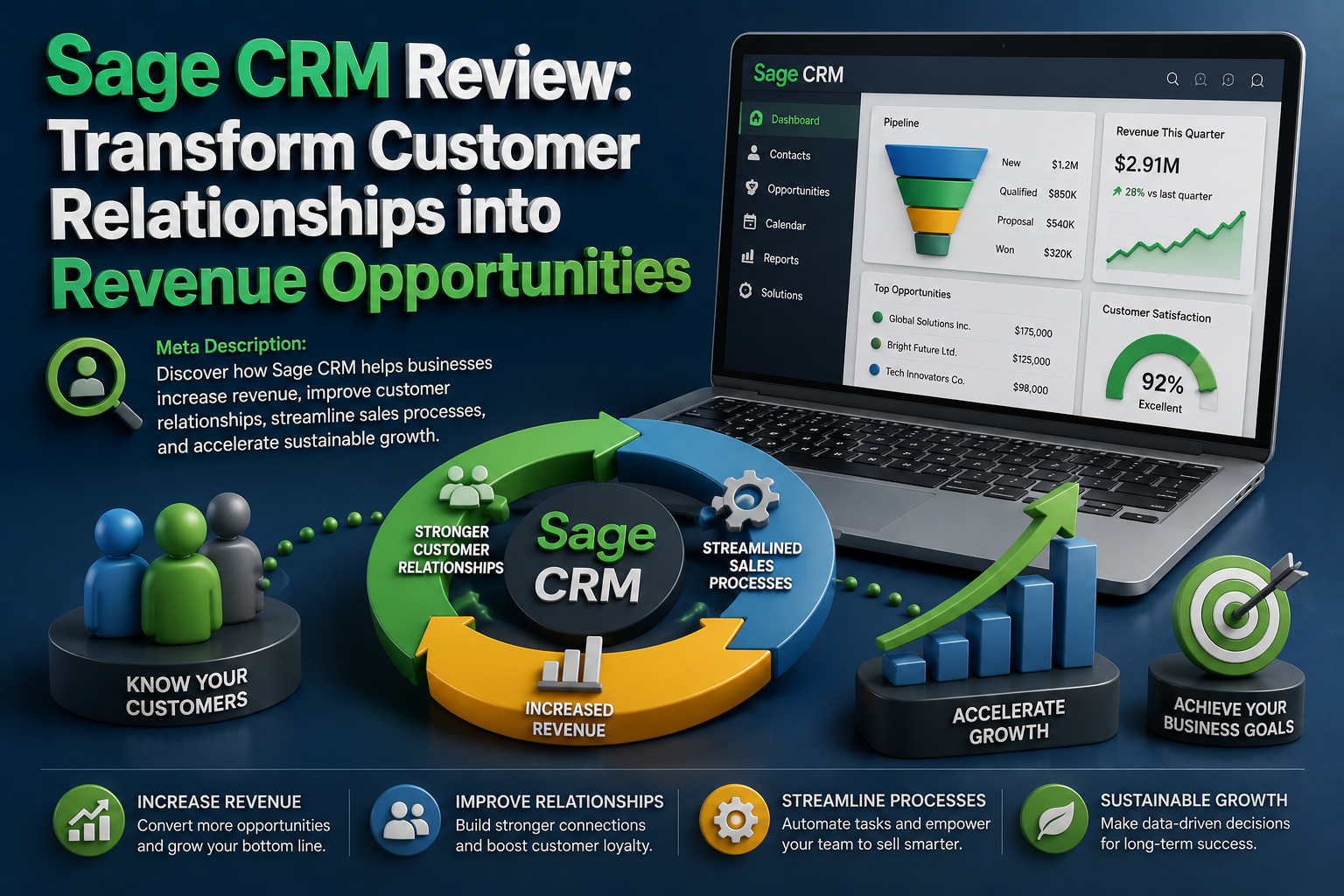
Sage CRM Review: Transform Customer Relationships into Revenue Opportunities
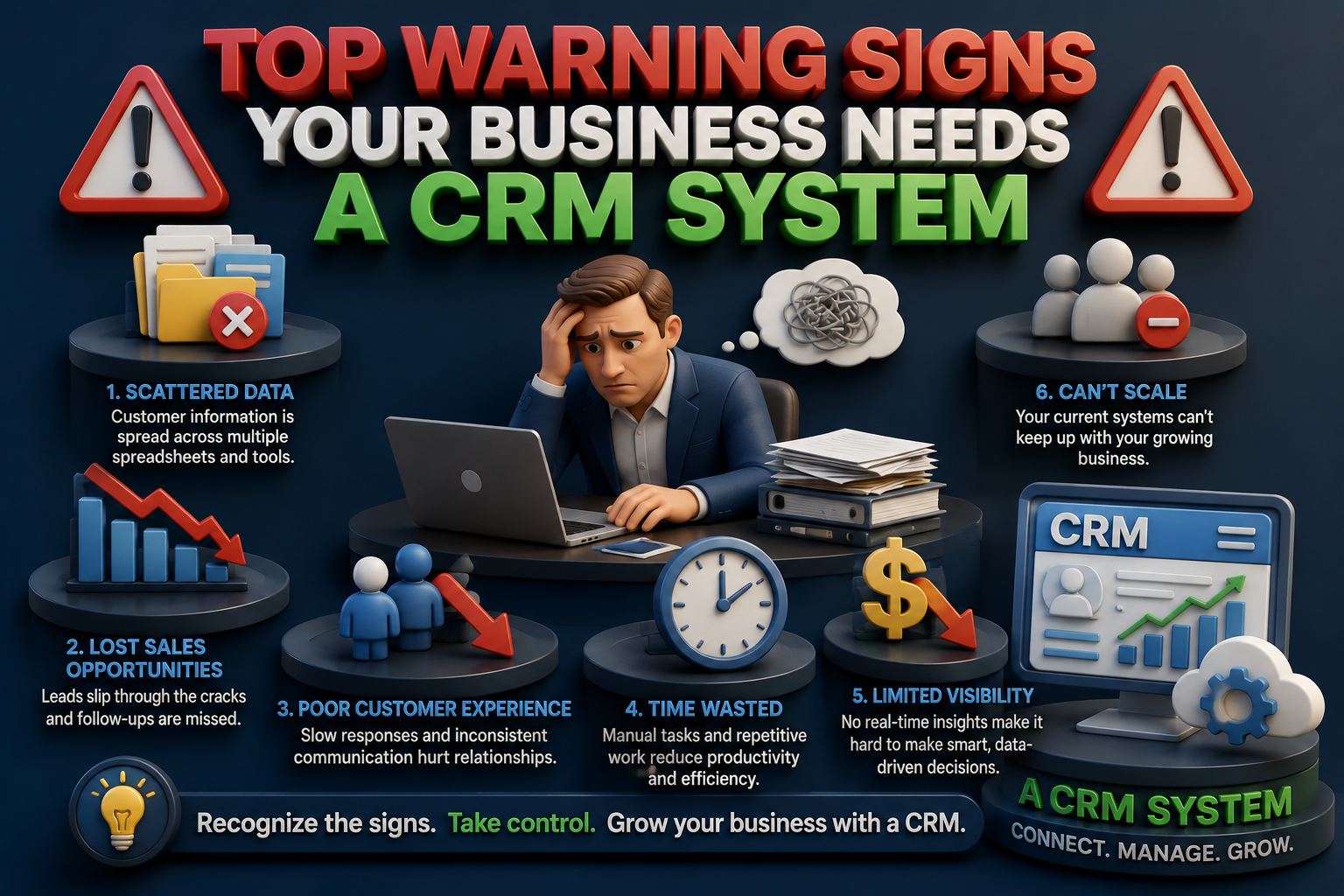
Top Warning Signs Your Business Needs a CRM System
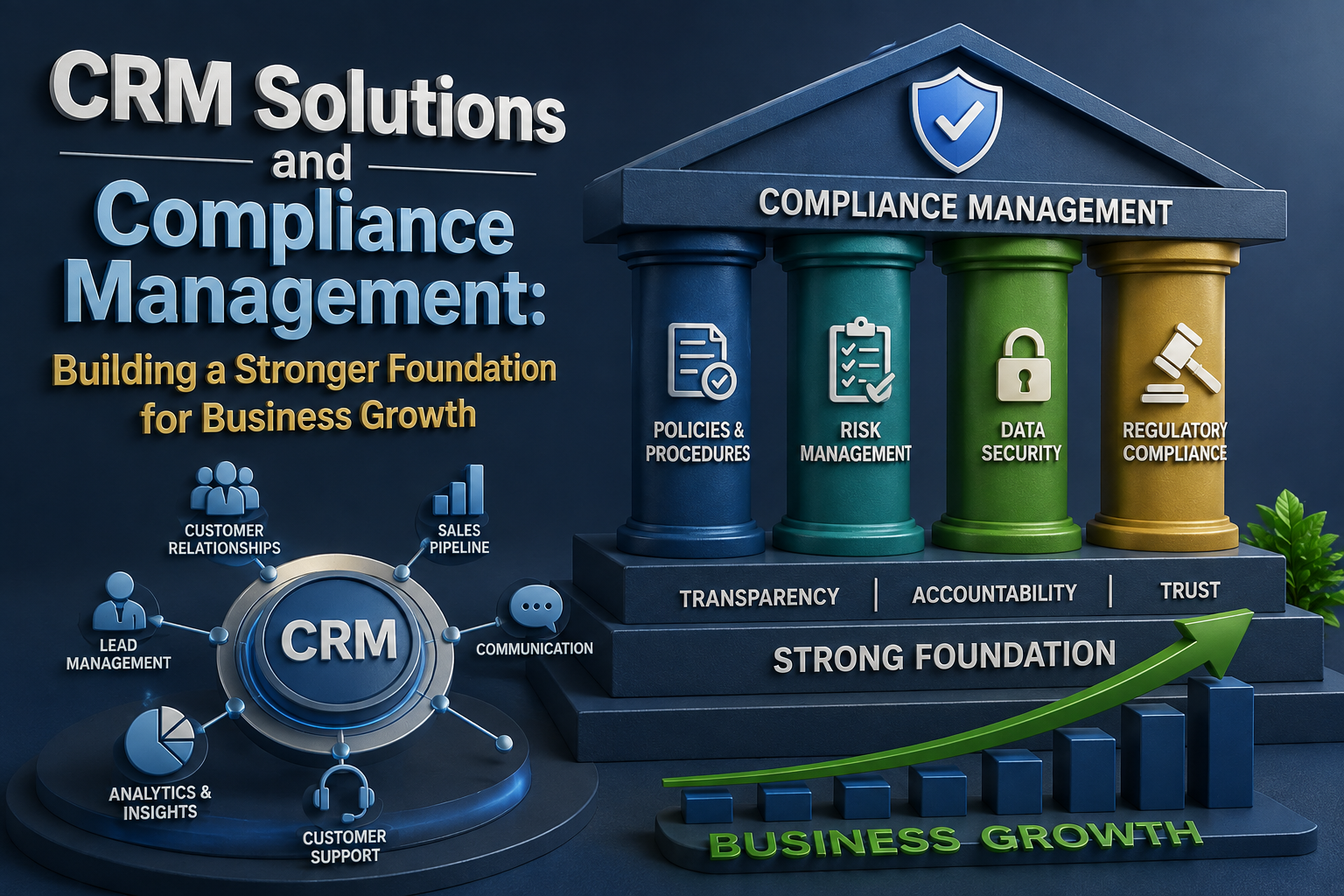
CRM Solutions and Compliance Management: Building a Stronger Foundation for Business Growth