


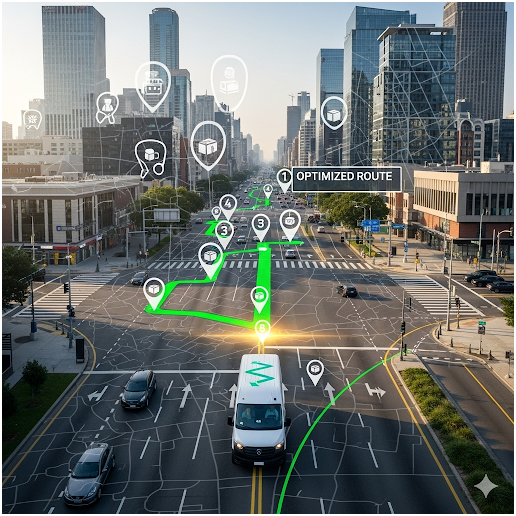
In the fast-paced world of agribusiness, getting your products from the farm to the customer’s table efficiently is key to success. Logistics can be a significant headache, with challenges like complex routing, ever-changing schedules, and managing multiple carriers. But what if there was a way to make it all simpler, faster, and more affordable? The answer lies in integrated logistics systems.

An integrated logistics system is more than just a piece of software; it’s a workflow tool that connects and automates various stages of your supply chain. It’s about bringing together everything from order processing to final delivery under one cohesive platform. This approach eliminates the silos between departments and gives you a holistic view of your operations.
Here’s how these systems work their magic:
The benefits of these tools go beyond just making things run smoothly. They directly impact your bottom line. By optimizing route planning, you cut down on fuel costs and vehicle maintenance. By streamlining scheduling, you reduce labor expenses and increase the number of deliveries each driver can make. And by improving carrier management, you can negotiate better rates and avoid costly delays. The result is a significant reduction in your overall transportation costs.
We’ve seen businesses in the agribusiness sector cut their transportation costs by up to 20% simply by adopting a more integrated approach.
Ready to see how an integrated system can transform your agribusiness?
Download our free checklist: “7 Ways Integrated Logistics Optimize Your Agribusiness Deliveries.” 📥 It’s packed with actionable tips to help you boost delivery efficiency and start saving money today.

Acumatica 2026 R2 Is Here: What’s New?

Sage CRM + Sage ERP Integration: Connecting Sales With the Rest of Your Business

Acumatica + ChatGPT: What the New MCP Connection Means for Your Business
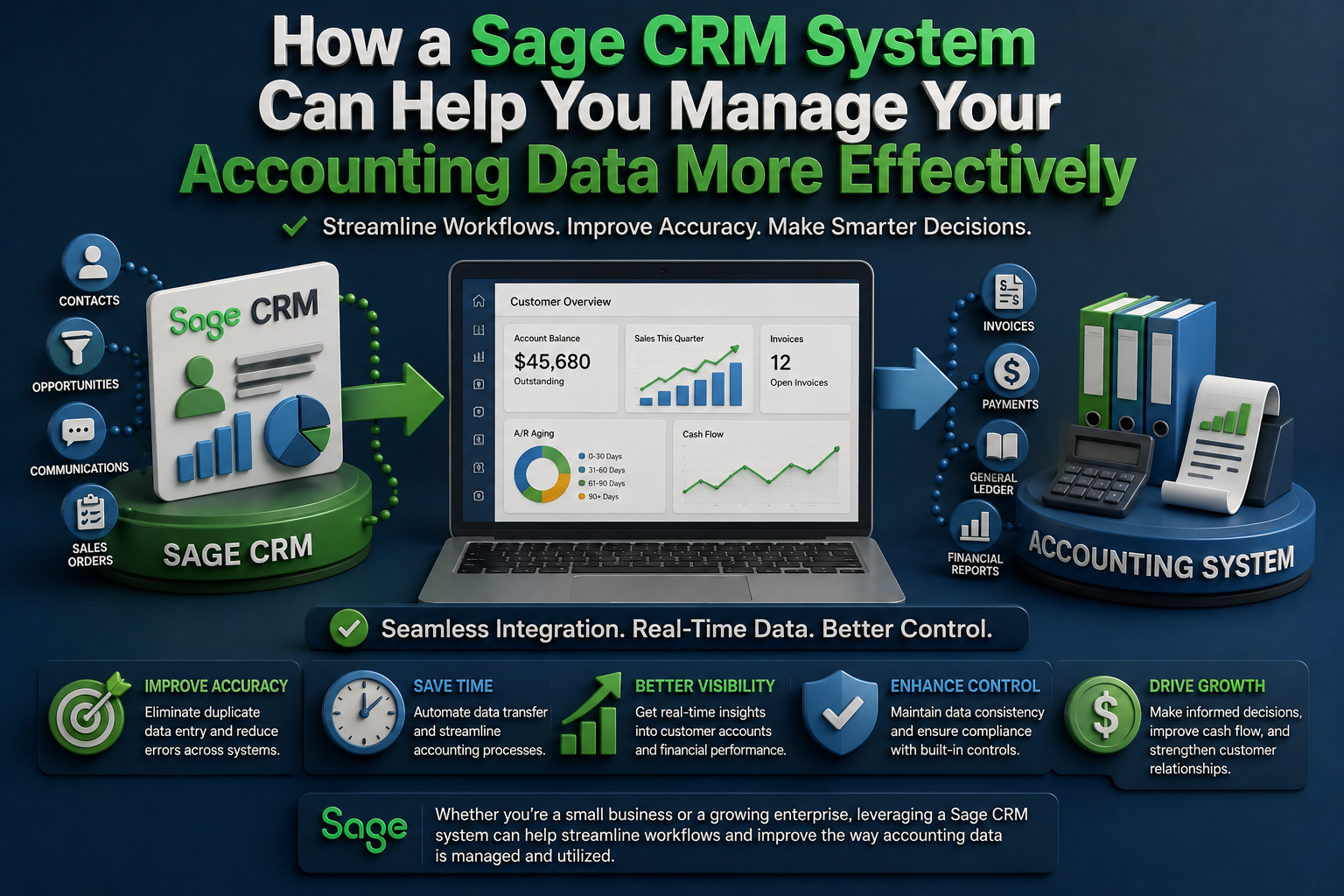
How a Sage CRM System Can Help You Manage Your Accounting Data More Effectively
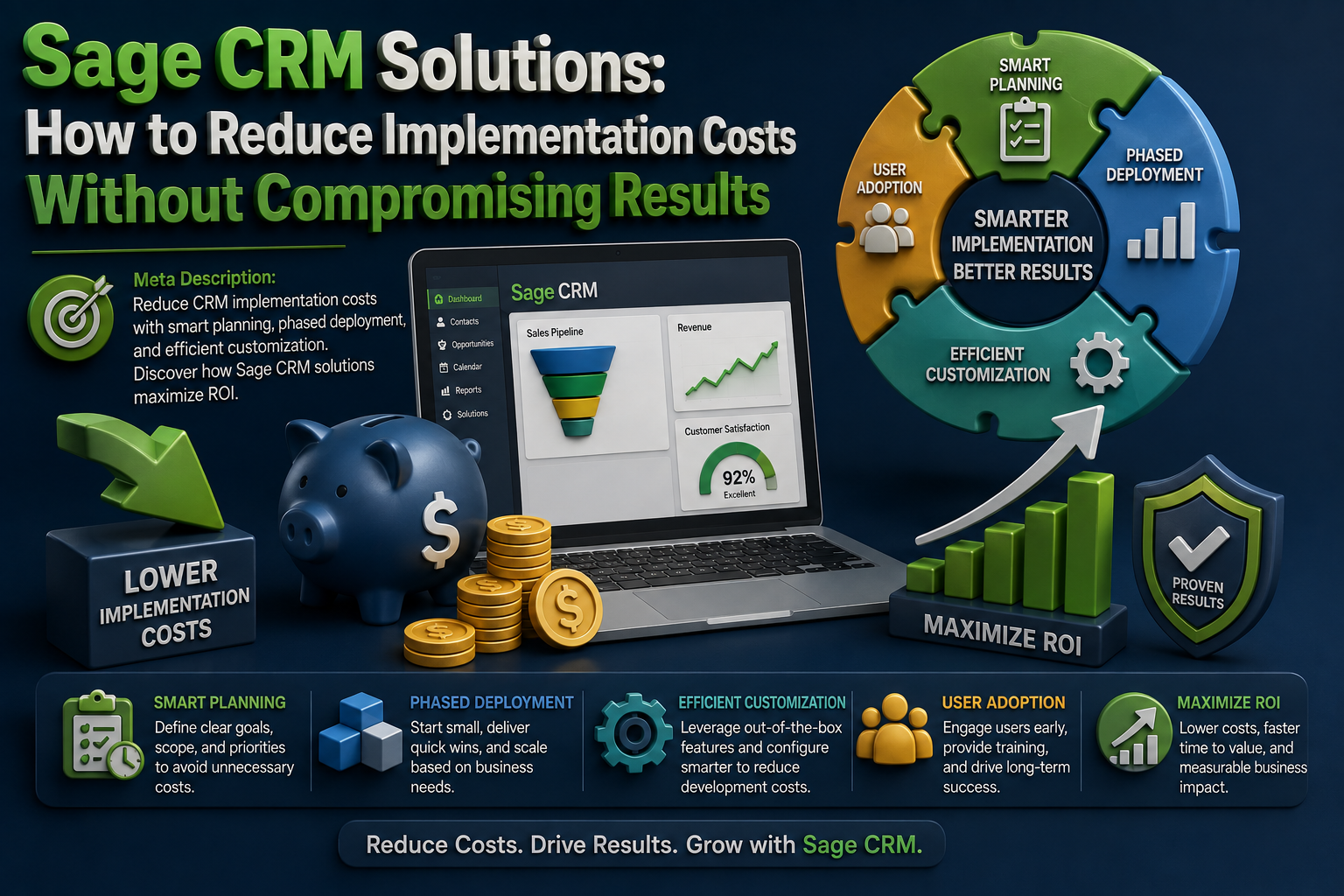
Sage CRM Solutions: How to Reduce Implementation Costs Without Compromising Results