
Beyond the Ledger: Why Integrated Accounting, CRM & ERP are Non-Negotiable for Modern Agribusiness

Beyond the Ledger: Why Integrated Accounting, CRM & ERP are Non-Negotiable for Modern Agribusiness

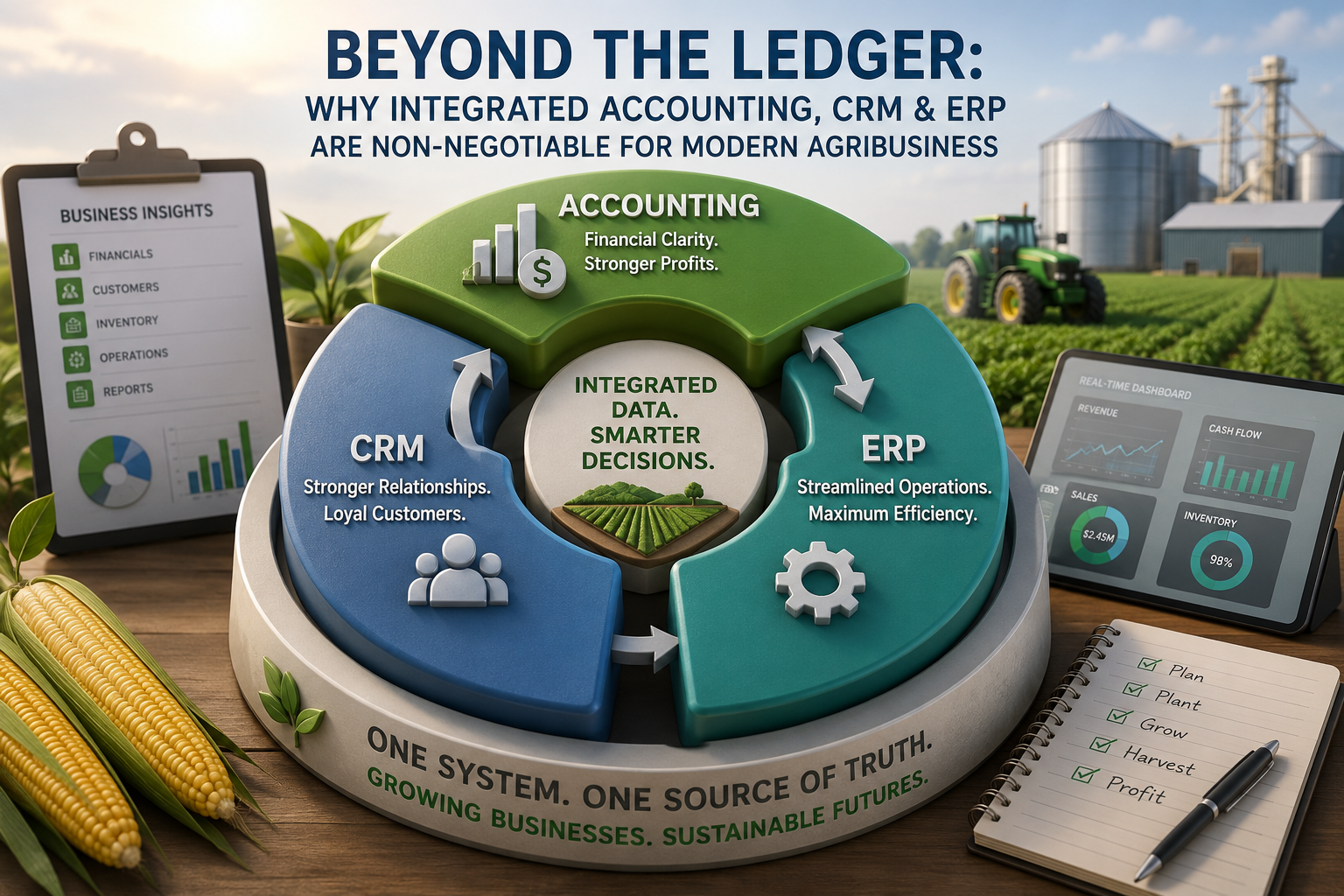
In today’s rapidly evolving agricultural landscape, the days of relying on disparate spreadsheets and standalone software are quickly fading. While a robust accounting system is foundational, it’s simply not enough to thrive in a sector demanding agility, foresight, and precision. For modern agribusinesses, the real power lies in transcending the traditional ledger and embracing a unified platform that integrates accounting, Customer Relationship Management (CRM), and Enterprise Resource Planning (ERP).
The Peril of Siloed Systems: A Consultative Angle

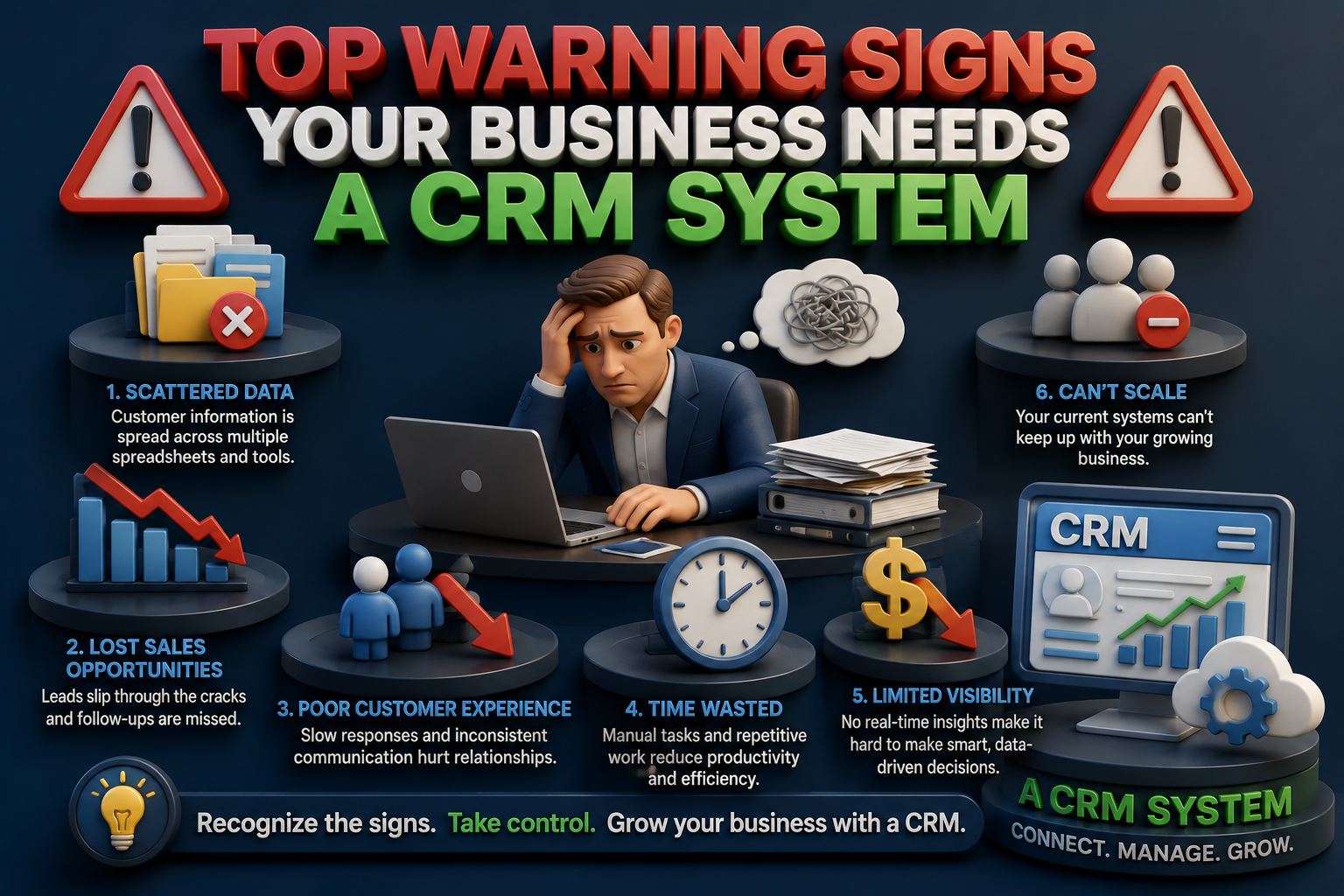
We often encounter agribusinesses grappling with the limitations of siloed systems. Picture this: your sales team logs customer interactions in one program, your production team manages inventory in another, and your finance department handles invoices in a completely separate accounting package. While each system might perform its individual function adequately, the critical data they hold remains isolated.

This fragmentation leads to a multitude of challenges:

  • Lack of Real-time Visibility: Without a central hub, getting a holistic view of your operations becomes a manual, time-consuming, and often inaccurate process. How much grain do you truly have on hand right now? What’s the real-time profit margin on that last crop? These questions become incredibly difficult to answer quickly and confidently.
  • Inefficient Decision-Making: When data is scattered, strategic decisions are based on incomplete or outdated information. This can lead to missed opportunities, poor resource allocation, and ultimately, reduced profitability. Imagine trying to optimize planting schedules without knowing your precise inventory levels or customer demand.
  • Operational Bottlenecks: Manual data entry and reconciliation between systems are ripe for errors and consume valuable staff time that could be better spent on core activities. Duplication of effort becomes the norm, not the exception.
  • Poor Customer Relationships: A fragmented CRM means your sales, marketing, and support teams might not have a unified view of customer interactions, leading to inconsistent messaging and a less-than-stellar customer experience.

The Strategic Necessity: Embracing a Unified Platform

The solution to these challenges lies in the strategic necessity of a unified platform. An integrated ERP system, specifically designed for agribusiness, brings together your accounting, CRM, and operational data into a single, cohesive environment.

This integration delivers transformative benefits:

  • Financial Transparency: With all financial data flowing through one system, you gain unparalleled clarity into your cash flow, profitability, and overall financial health. This level of agribusiness accounting provides the financial transparency needed for sound strategic planning and investor confidence.
  • Operational Efficiency: From seed to sale, an integrated system streamlines workflows, automates tasks, and optimizes resource allocation. This leads to significant improvements in operational efficiency, reducing waste and maximizing output.
  • Real-time Insights for Better Decisions: Imagine having instant access to inventory levels, sales forecasts, production costs, and customer history—all from a single dashboard. This real-time visibility empowers you to make proactive, data-driven decisions that propel your agribusiness forward.
  • Eliminating Data Silos: The very essence of an integrated ERP is to break down data silos. Information flows freely between departments, fostering collaboration and ensuring everyone is working from the same “single source of truth.”
  • Enhanced Customer Relationships: A unified CRM within your ERP provides a 360-degree view of your customers, enabling personalized interactions, targeted marketing, and proactive support.

Ready to Unify Your Operations?

The agricultural sector is too dynamic to be held back by outdated, fragmented systems. Embracing an integrated ERP solution isn’t just about technological advancement; it’s about securing your agribusiness’s future.

Download our free guide: “5 Signs Your Agribusiness Needs an Integrated ERP System” to assess your current setup and discover the path to a single source of truth. This comprehensive guide will help you identify the tell-tale signs that it’s time to move beyond the ledger and embrace the power of integration.
Popular Posts

Supply Chain’s Secret Sauce: How Workflow Tools Bolster Resiliency and Visibility

January 8, 2026

From Seed to Sale: Connecting the Dots for Competitive Advantage through Integrated Data

January 8, 2026

Beyond the Ledger: Why Integrated Accounting, CRM & ERP are Non-Negotiable for Modern Agribusiness

January 7, 2026
Core Agribusiness Workflows

The Digital Field: Automating Core Agribusiness Workflows for Greater Productivity

January 7, 2026
Quality Control as a Revenue Driver

Quality Control as a Revenue Driver: Automating Deviation Management Workflows

December 22, 2025

Book Your Initial Consultation

BOOK NOW
Chat with us

    Hi! Have a question? We're here to help.