
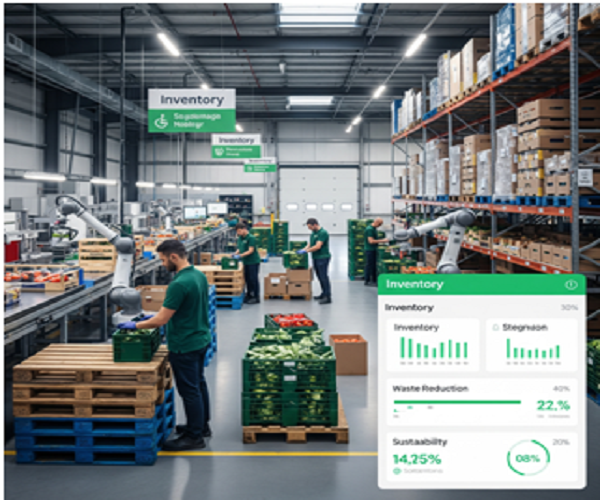
Harvesting Profit: Leveraging Workflow Tools for Predictive Inventory Management and Waste Reduction

Harvesting Profit: Leveraging Workflow Tools for Predictive Inventory Management and Waste Reduction

In today’s competitive agribusiness landscape, every dollar saved is a dollar earned. Optimizing your supply chain isn’t just about moving products; it’s about strategically managing resources to maximize profitability. This week, we’re diving into how integrated systems and workflow automation can be a game-changer for your bottom line.

The Challenge: Spoilage and Inefficient Inventory

Agribusiness faces unique challenges when it comes to inventory. Perishable goods, fluctuating demand, and the need for precise timing can lead to significant waste and inflated carrying costs. Traditional inventory management methods often fall short, resulting in:

  • Spoilage: Products expiring or becoming unsellable before they reach the consumer.
  • Overstocking: Tying up capital in excess inventory, leading to higher storage and insurance costs.
  • Understocking: Missing out on sales opportunities due to insufficient product availability.

The Solution: Integrated Systems and Workflow Automation

Imagine a system where every step of your supply chain is interconnected, providing real-time data and actionable insights. This is the power of integrated systems and workflow automation. By implementing these tools, agribusinesses can achieve:

  • Predictive Inventory Management: Leveraging data analytics to forecast demand more accurately, minimizing both overstocking and understocking. This means ordering precisely what you need, when you need it.
  • Waste Reduction: Automating processes to track inventory movement, monitor shelf life, and prioritize sales of products nearing their expiration. This directly attacks spoilage and enhances profitability.
  • Optimized Inventory Levels: Striking the perfect balance between having enough product to meet demand and avoiding excess inventory. This frees up capital and reduces carrying costs.
  • Reduced Carrying Costs: Lowering expenses associated with storing, insuring, and managing inventory through efficient space utilization and streamlined operations.

How It Works: A Closer Look

Integrated systems connect various aspects of your operations, from procurement and warehousing to sales and distribution. Workflow automation then streamlines these processes, eliminating manual tasks and reducing human error. For example:

  • Automated Demand Forecasting: Using historical data, market trends, and even weather patterns to predict future demand with greater accuracy.
  • Real-time Inventory Tracking: Knowing exactly what you have, where it is, and its condition at any given moment.
  • Automated Order Placement: Triggering orders based on predefined inventory thresholds and forecasted demand.
  • Spiloge Alerts: Receiving automatic notifications for products nearing their expiration date, allowing for proactive sales or redistribution.

Maximize Your Margins!

Ready to transform your agribusiness and boost your profits? Don’t miss our upcoming webinar: “Smart Inventory for Agribusiness: Reducing Waste, Boosting Profit.” Learn actionable strategies and discover how predictive analytics and workflow automation can revolutionize your operations.

If you’d like to learn more, reach out to us at david@pushconsulting.tv or contact us.
Popular Posts

Beyond Sales Orders: Automating the Quote-to-Cash Cycle for Faster Revenue Recognition

November 12, 2025

From Precision Agriculture to Precision Profit: Connecting Field Data with Financial Outcomes

November 11, 2025

How Integrated Systems Accelerate Delivery and Reduce Transportation Costs

November 10, 2025
risk management

Mitigating Volatility: Using Real-Time Data for Smart Commodity Risk Management

November 7, 2025

Harvesting Profit: Leveraging Workflow Tools for Predictive Inventory Management and Waste Reduction

October 8, 2025

Book Your Initial Consultation

BOOK NOW
Chat with us

    Hi! Have a question? We're here to help.