


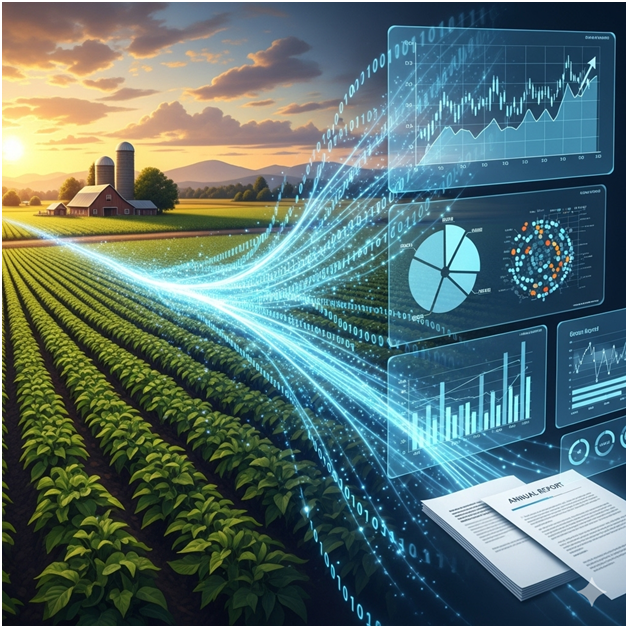
In today’s competitive agricultural landscape, success isn’t just about growing the most crops; it’s about maximizing profitability. While many farmers have embraced precision agriculture to boost yields, a crucial step is often missed: connecting that field-level data directly to financial outcomes. It’s not enough to know you got a great yield in one section of a field; you need to understand if the inputs you used there were profitable. This is the difference between being a good grower and a truly successful business owner.
Think of your farm as a business with multiple departments. Your precision agriculture tools (GPS, yield monitors, drones) are collecting valuable data from the “production” department. Your accounting software, on the other hand, holds the “finance” department’s information. Too often, these two departments operate in silos.

By integrating your agricultural data (like yield maps and sensor readings) with your financial reporting, you can move from simple yield optimization to comprehensive profitability analysis. For example, a high-yield area on your map might look great, but when you overlay your input costs for that same area, you might discover it was a low-profit zone. Conversely, a section with a slightly lower yield might be a hidden goldmine because it required minimal fertilizer or water. This detailed analysis allows you to:
The goal is to answer a simple, yet powerful question: “For every dollar I spent on a specific input, how much profit did I get back from that exact spot on the field?” Achieving this requires a few key steps:
The insights gained from this process are invaluable. You can stop guessing and start knowing exactly what’s working and what’s not. This isn’t just about saving money; it’s about making more of it.
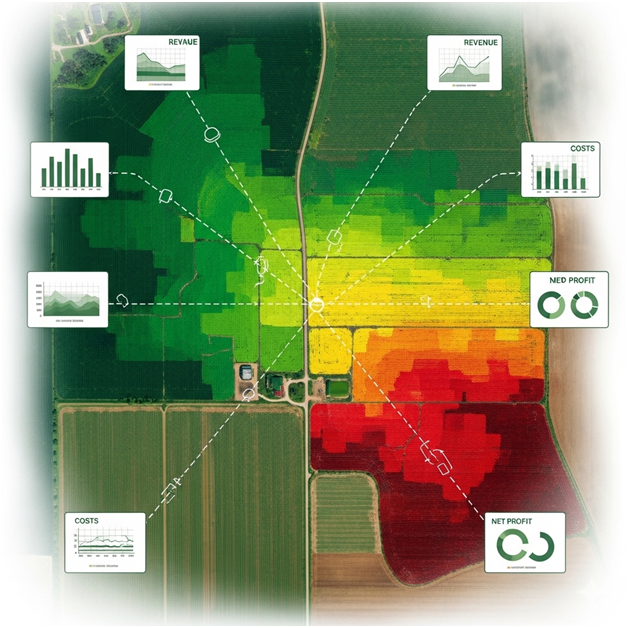
Ready to take your farm’s profitability to the next level? Don’t let your valuable precision agriculture data sit in a silo. Talk to an expert today about integrating your precision agriculture insights with your financial reporting. It’s time to turn every acre into a source of maximum profit.
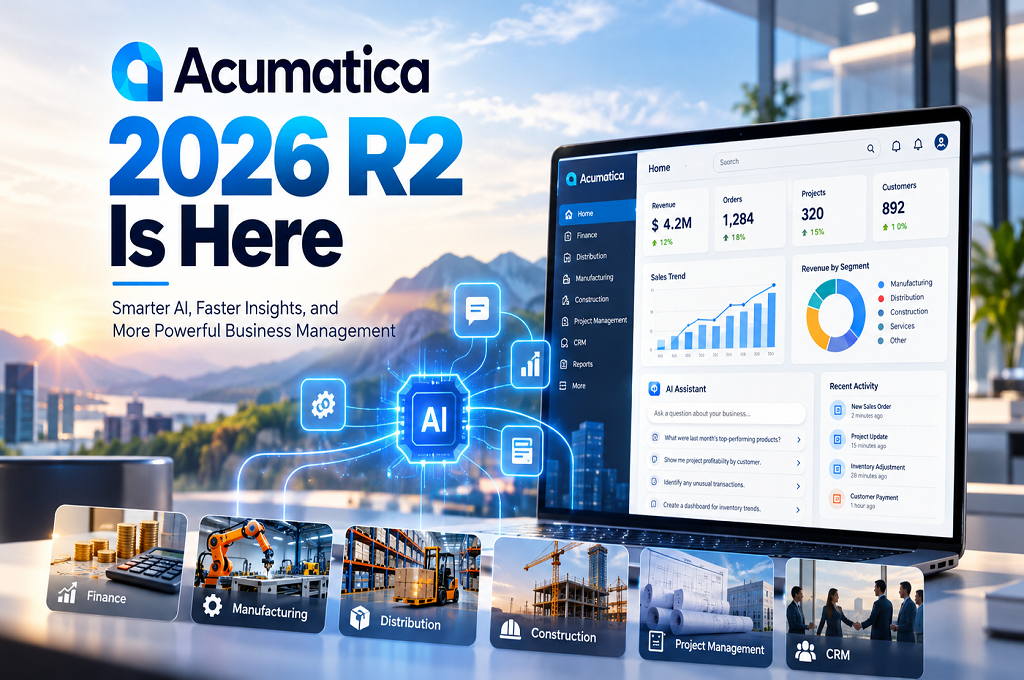
Acumatica 2026 R2 Is Here: What’s New?
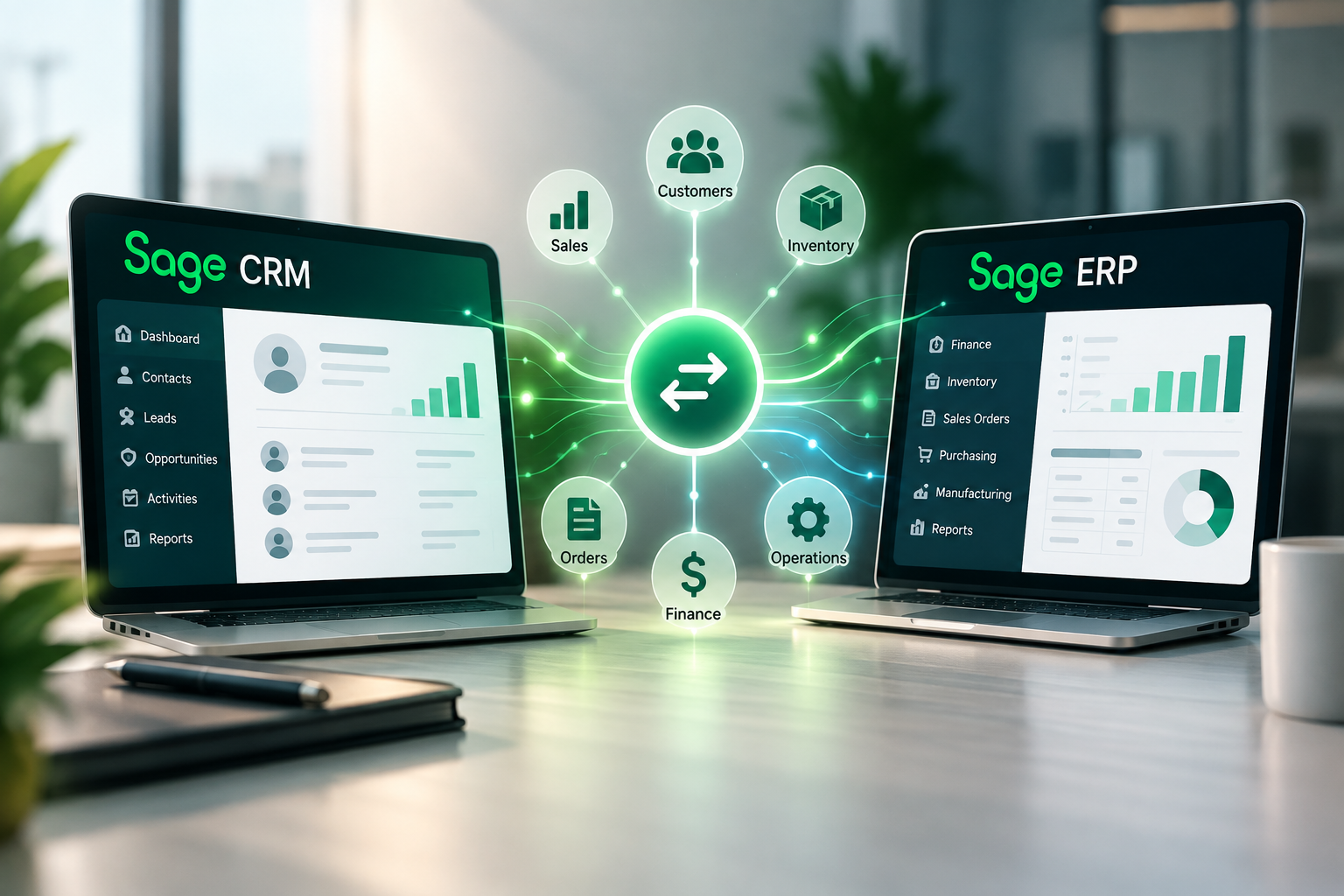
Sage CRM + Sage ERP Integration: Connecting Sales With the Rest of Your Business
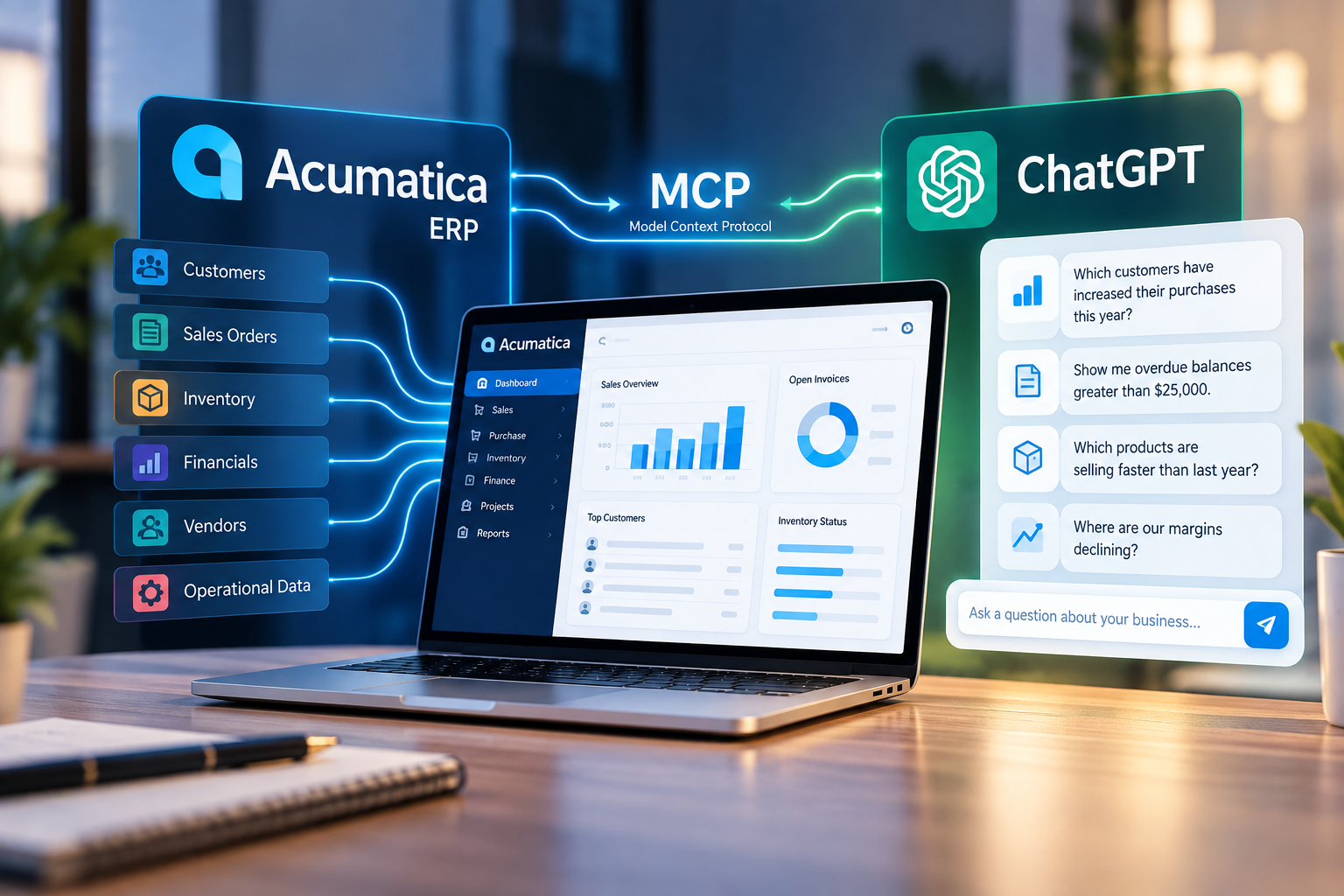
Acumatica + ChatGPT: What the New MCP Connection Means for Your Business
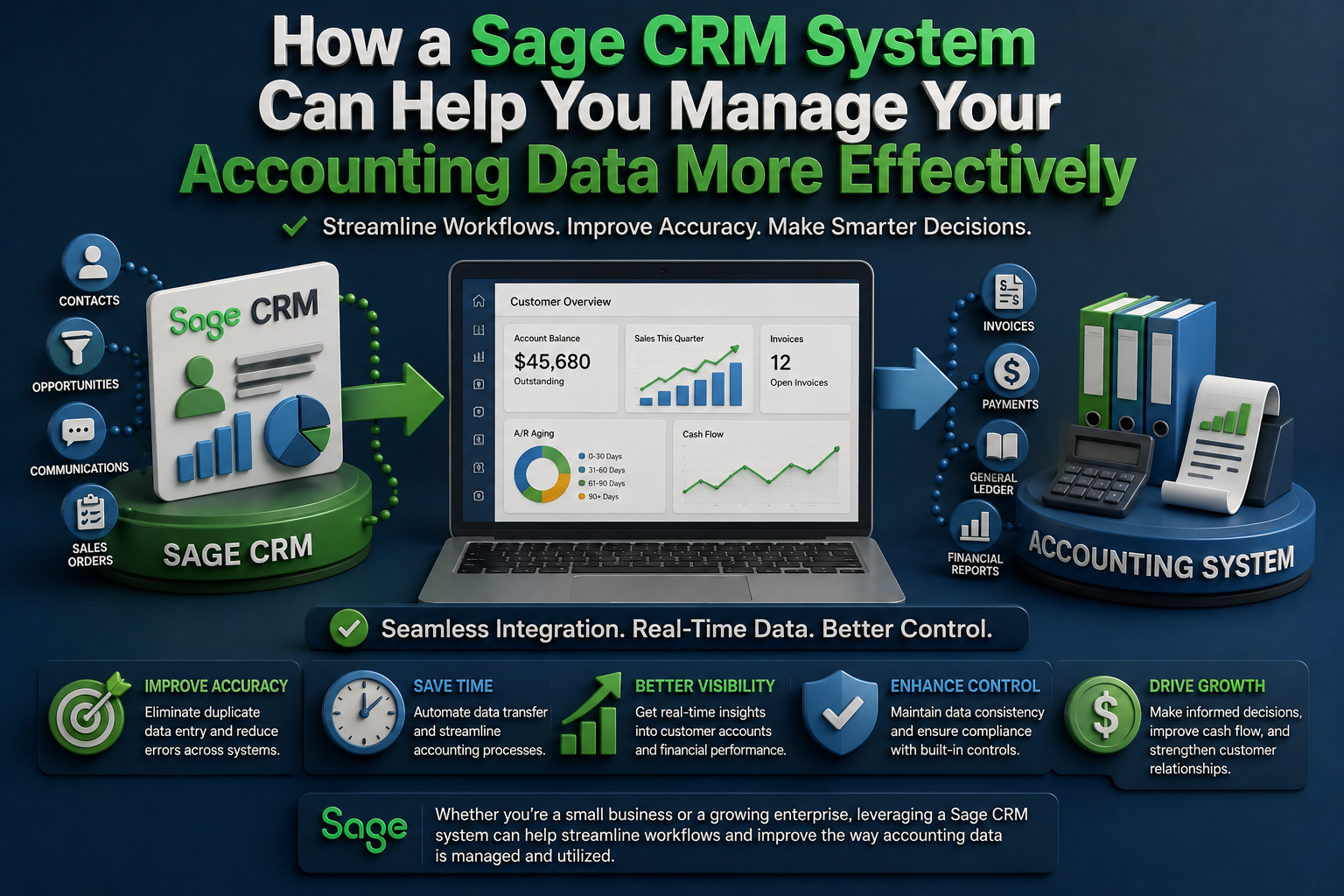
How a Sage CRM System Can Help You Manage Your Accounting Data More Effectively
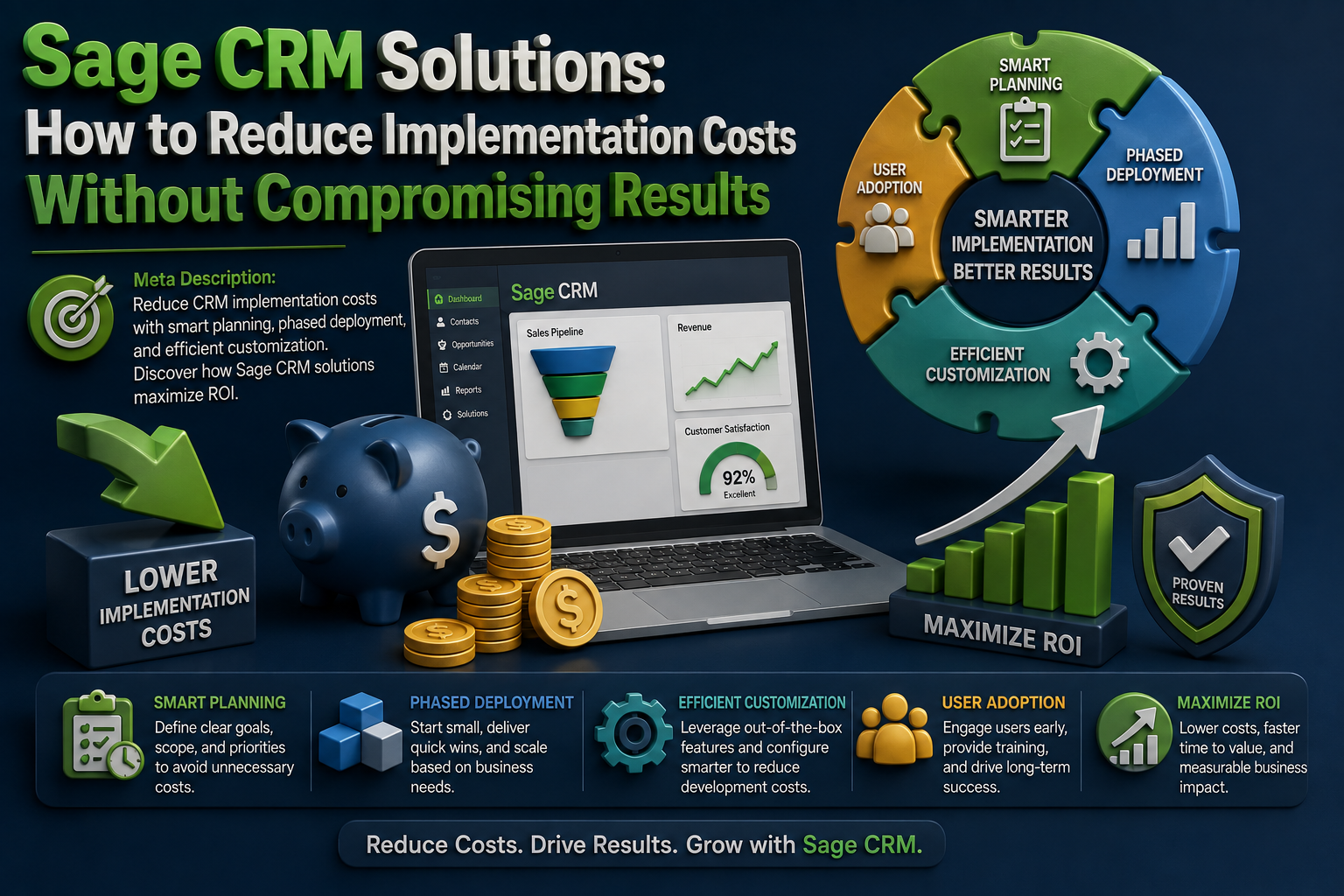
Sage CRM Solutions: How to Reduce Implementation Costs Without Compromising Results