


In the world of high-volume B2B commerce, specifically when dealing with large-scale retailers and food processors, the “standard operating procedure” is rarely enough. These industry giants don’t just buy products; they buy reliability and integration.
To win and retain these key clients, your supply chain cannot be a rigid pipeline. It must be a flexible framework capable of adapting to their unique operational DNA.
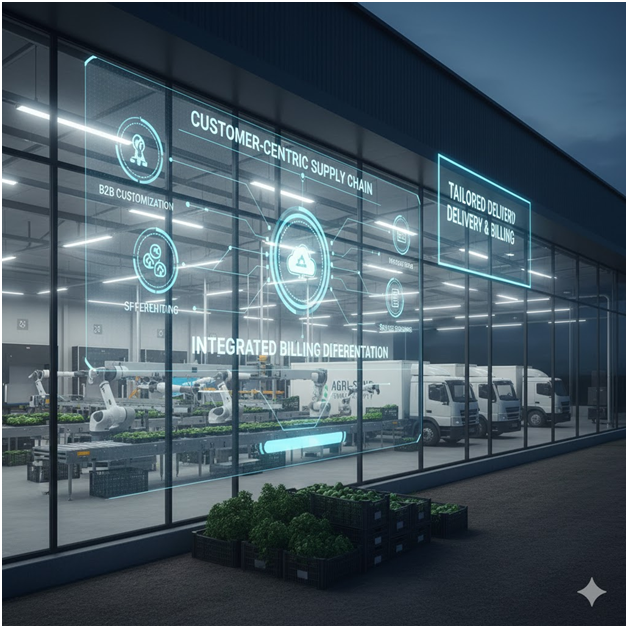
For major food processors and national retailers, a delivery that arrives thirty minutes late or an invoice that doesn’t match their internal coding system isn’t just a minor hiccup, it’s a costly disruption.
Customer-Centric Supply Chain Management is the shift from asking “How do we ship this?” to “How does our client need to receive this?” By tailoring your workflows, you transform from a mere vendor into an indispensable strategic partner.
Large retailers operate on razor-thin margins and “just-in-time” inventory models. They require hyper-specific delivery windows to manage dock congestion and labor scheduling.
One of the biggest friction points in B2B relationships is the “invisible” work of the back office. Food processors often require complex billing workflows, such as:
When your billing is integrated and automated to match their requirements, you remove the administrative burden from their team, making it “painful” for them to ever switch to a competitor.
Data is the currency of modern B2B relationships. Large clients expect proactive insights, not just reactive fixes. A customer-centric approach uses CRM data to provide:
In a crowded market, product quality is the baseline, but service differentiation is the tie-breaker. When you demonstrate that your systems are flexible enough to mirror a client’s internal processes, you prove that you understand their business as well as they do.
This level of B2B customization builds a “moat” around your key accounts, making your partnership too efficient to replace.
Is your current system holding you back from landing bigger fish? Don’t let rigid software limit your growth potential.
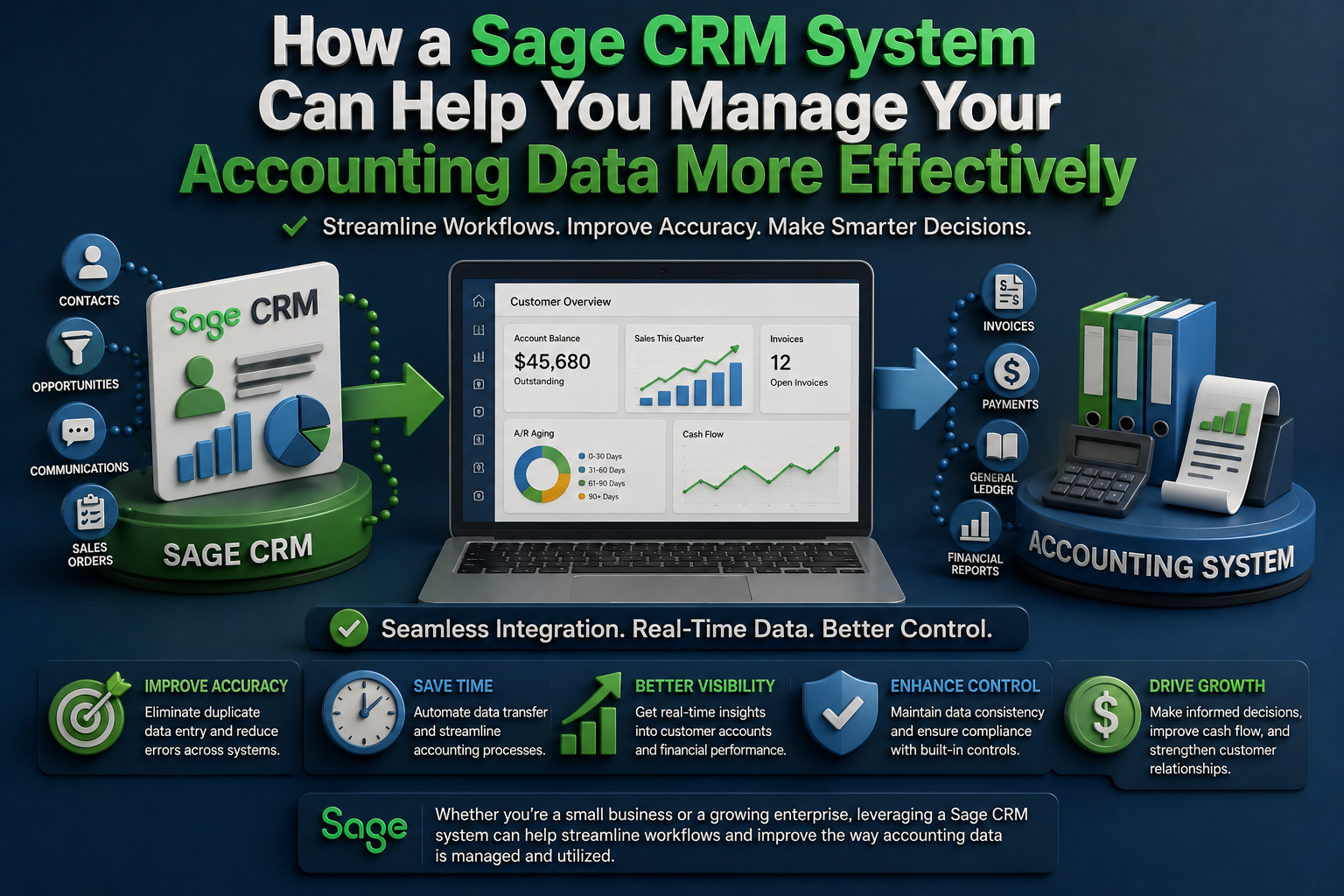
How a Sage CRM System Can Help You Manage Your Accounting Data More Effectively
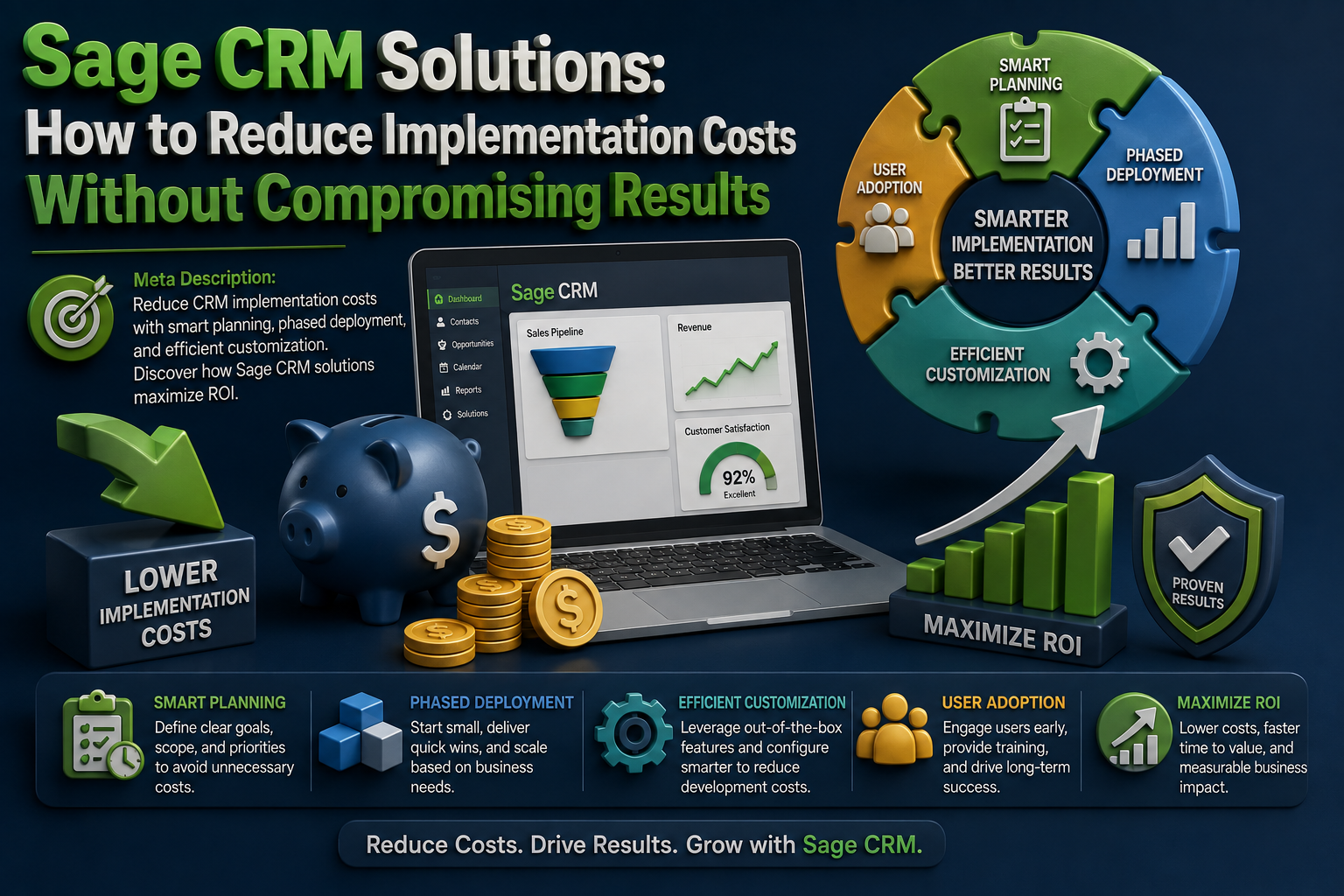
Sage CRM Solutions: How to Reduce Implementation Costs Without Compromising Results
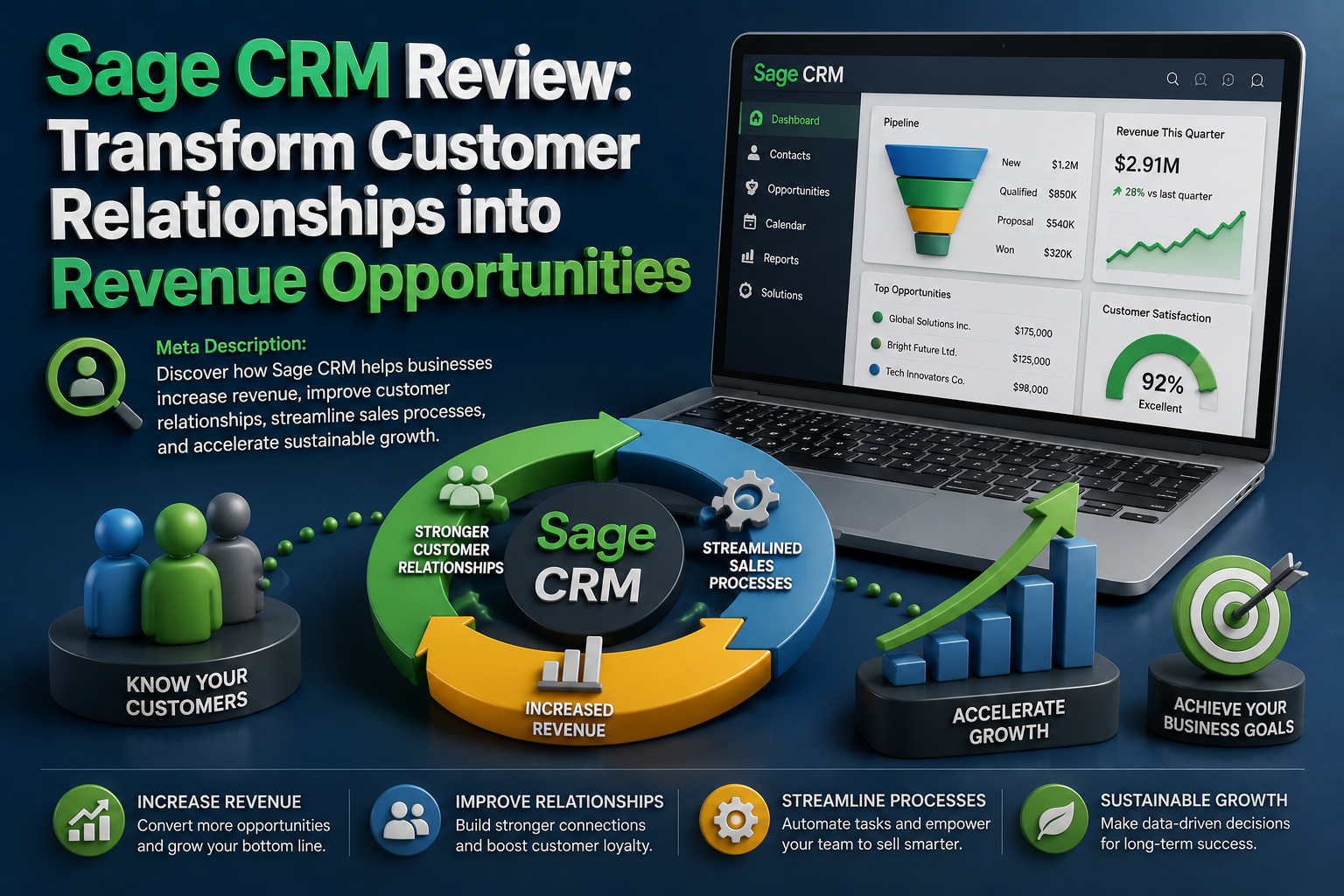
Sage CRM Review: Transform Customer Relationships into Revenue Opportunities
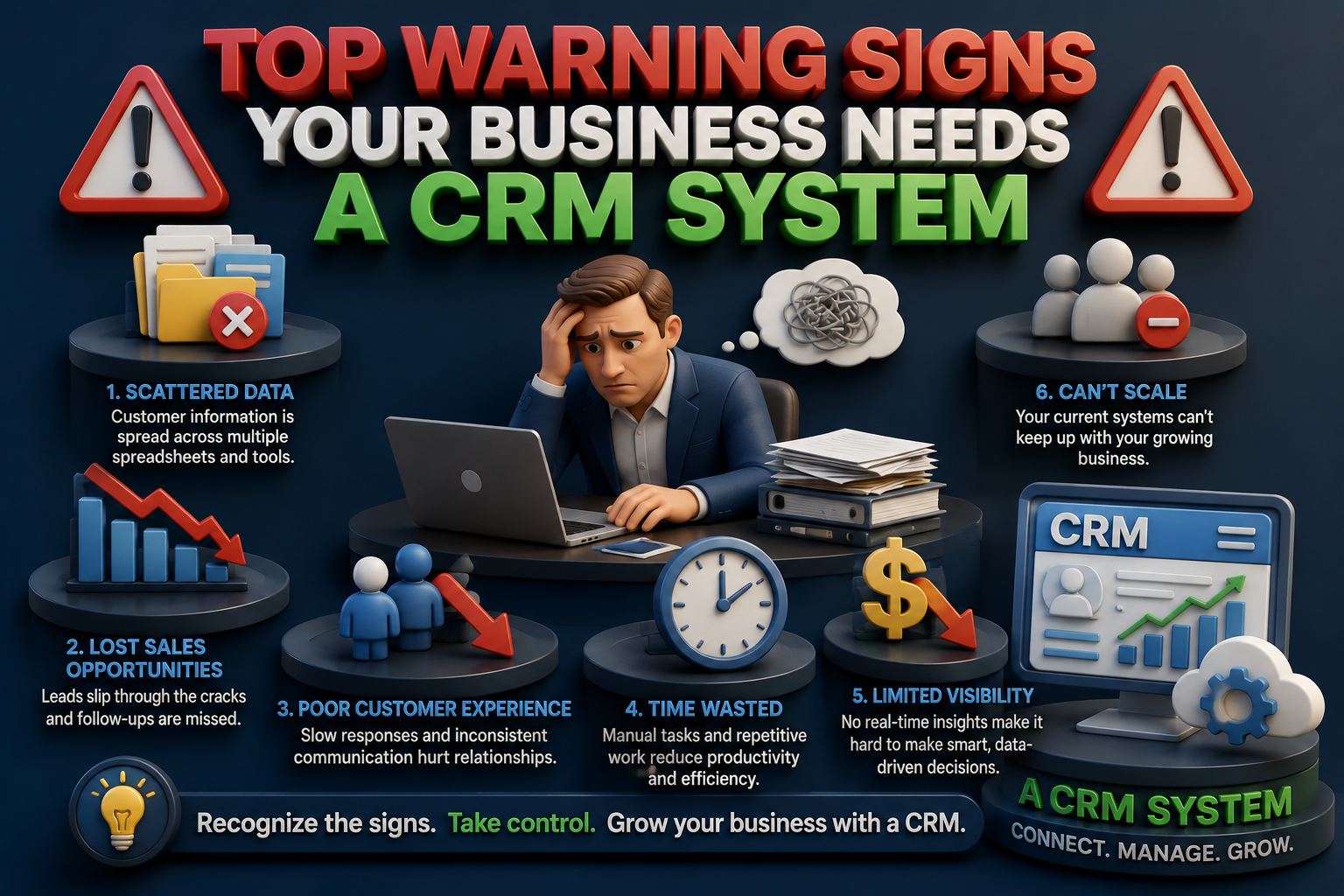
Top Warning Signs Your Business Needs a CRM System
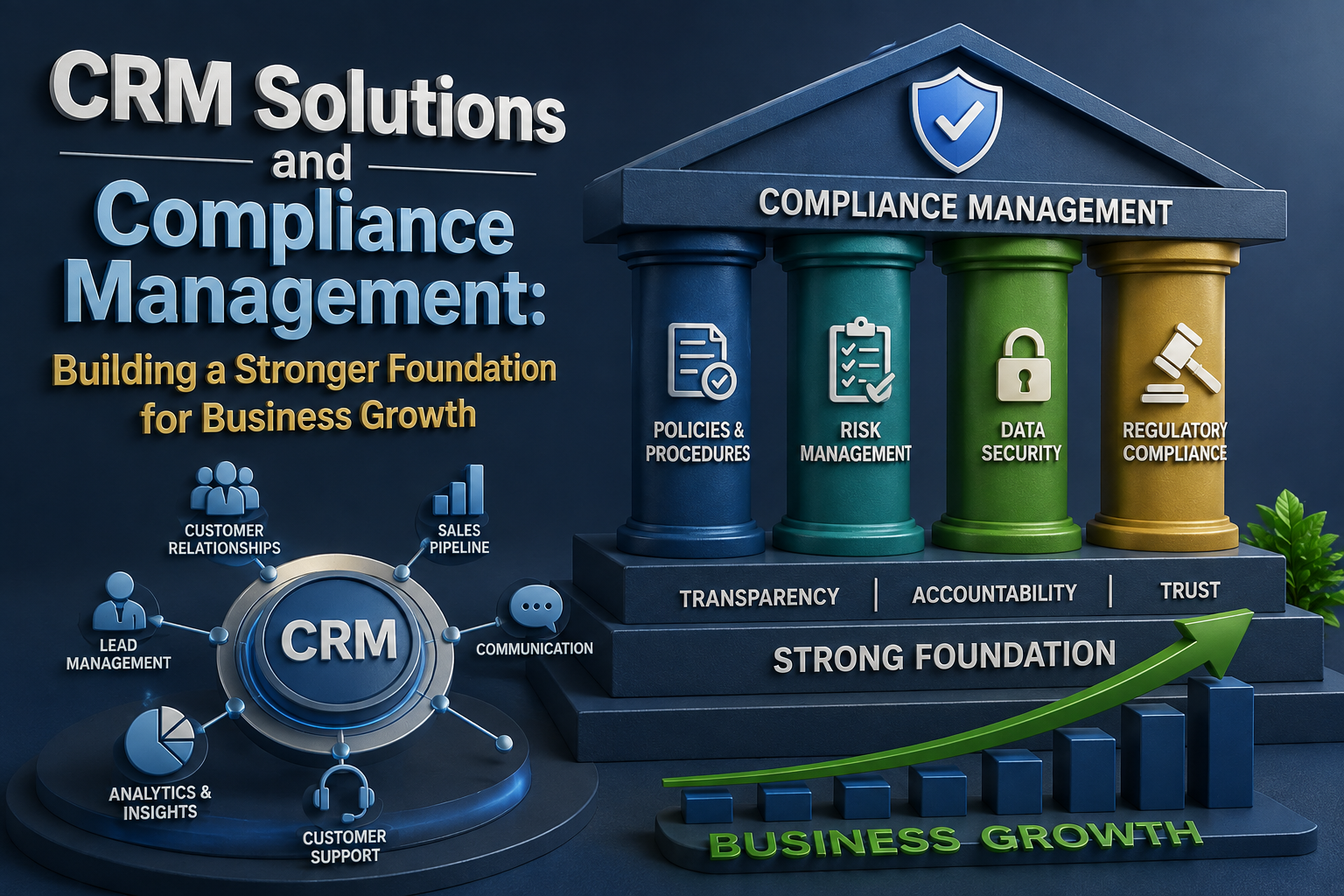
CRM Solutions and Compliance Management: Building a Stronger Foundation for Business Growth