

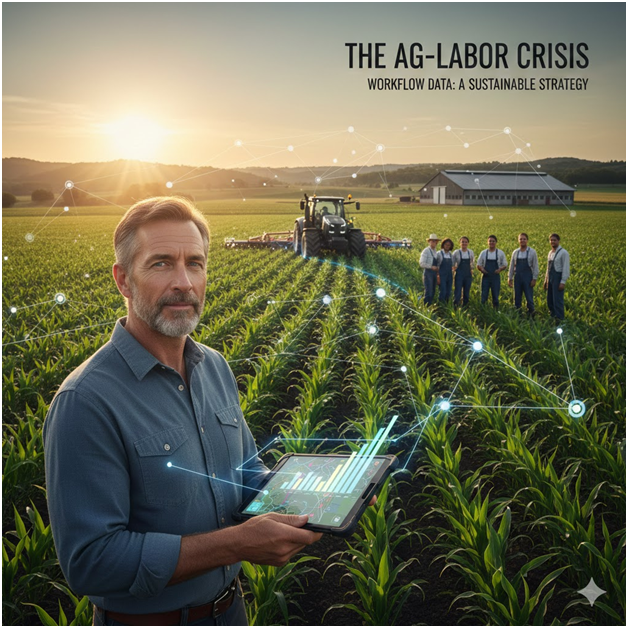
The agricultural industry is currently facing a dual-threat: a dwindling labor pool and an intensifying “burnout” culture. For farm owners and operators, losing a seasoned field manager isn’t just a HR headache—it’s a direct hit to your yield, operational continuity, and bottom line.
If your strategy for keeping high-performers is simply “pay them more and hope they stay,” you might be missing the root of the problem. To build a truly sustainable workforce in 2026, you need to stop guessing and start looking at your workflow data.

In the field, burnout doesn’t always look like exhaustion; it looks like a dip in data. By analyzing workflow patterns, you can spot the warning signs before a resignation letter hits your desk:
The Data Fix: Use your farm management software to monitor labor distribution. If 20% of your managers are handling 80% of the high-stress tasks, you aren’t just “utilizing talent”—you’re burning out your best assets.
Traditional bonuses are often arbitrary, which can lead to resentment among the crew. Data-backed incentive programs create a culture of fairness and transparency.
Instead of a flat end-of-season bonus, consider performance-linked tiers based on:
Key Insight: When a field manager can see the direct link between their efficiency data and their paycheck, they feel like a partner in the operation rather than just a cog in the machine.
Retention isn’t just about money; it’s about frustration levels. A manager who spends three hours a day fighting a broken dispatch system or an inefficient route is a manager who is looking for a way out.
By streamlining workflows—using GPS data for better pathing or automated scheduling to ensure fair shift rotations—you remove the friction that causes daily stress. A “smooth” day in the field is often the best retention tool you have.
The cost of replacing a high-level manager can be up to 1.5x their annual salary when you factor in lost productivity and training time.
Stop the leak today.
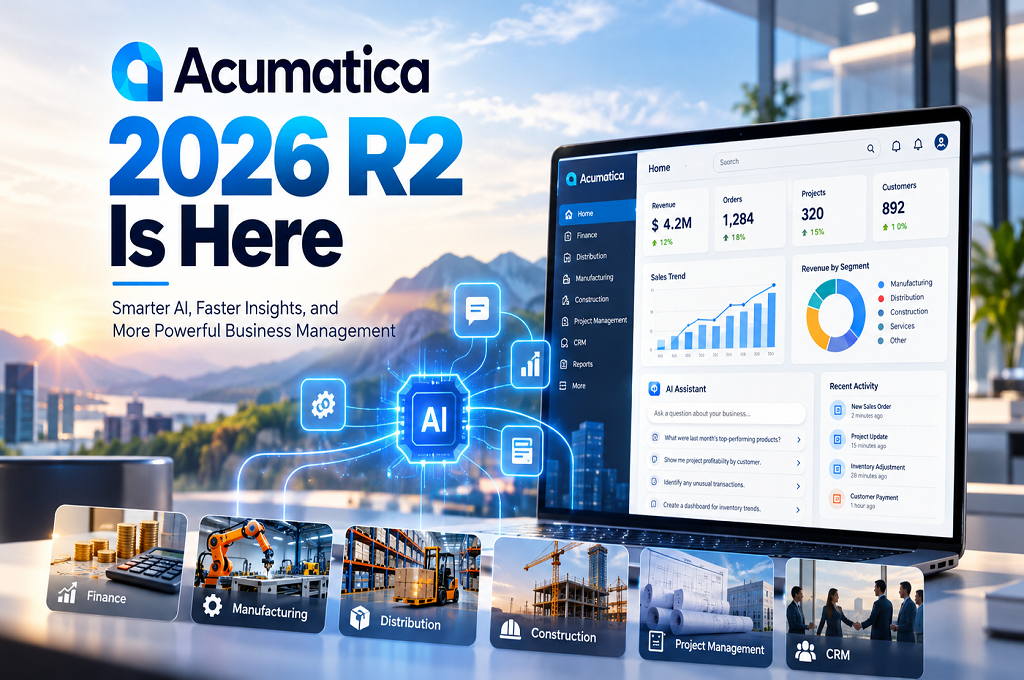
Acumatica 2026 R2 Is Here: What’s New?

Sage CRM + Sage ERP Integration: Connecting Sales With the Rest of Your Business
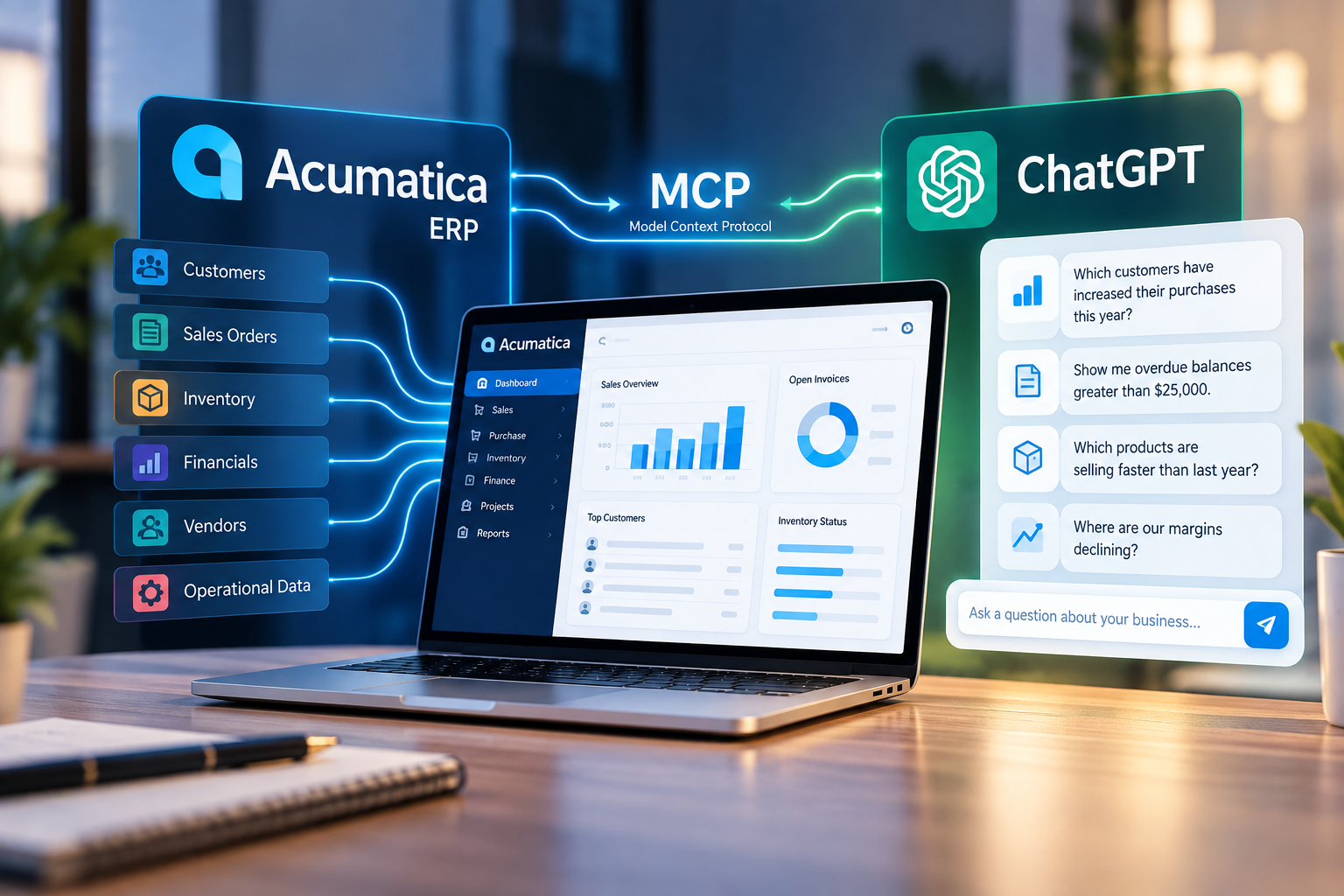
Acumatica + ChatGPT: What the New MCP Connection Means for Your Business
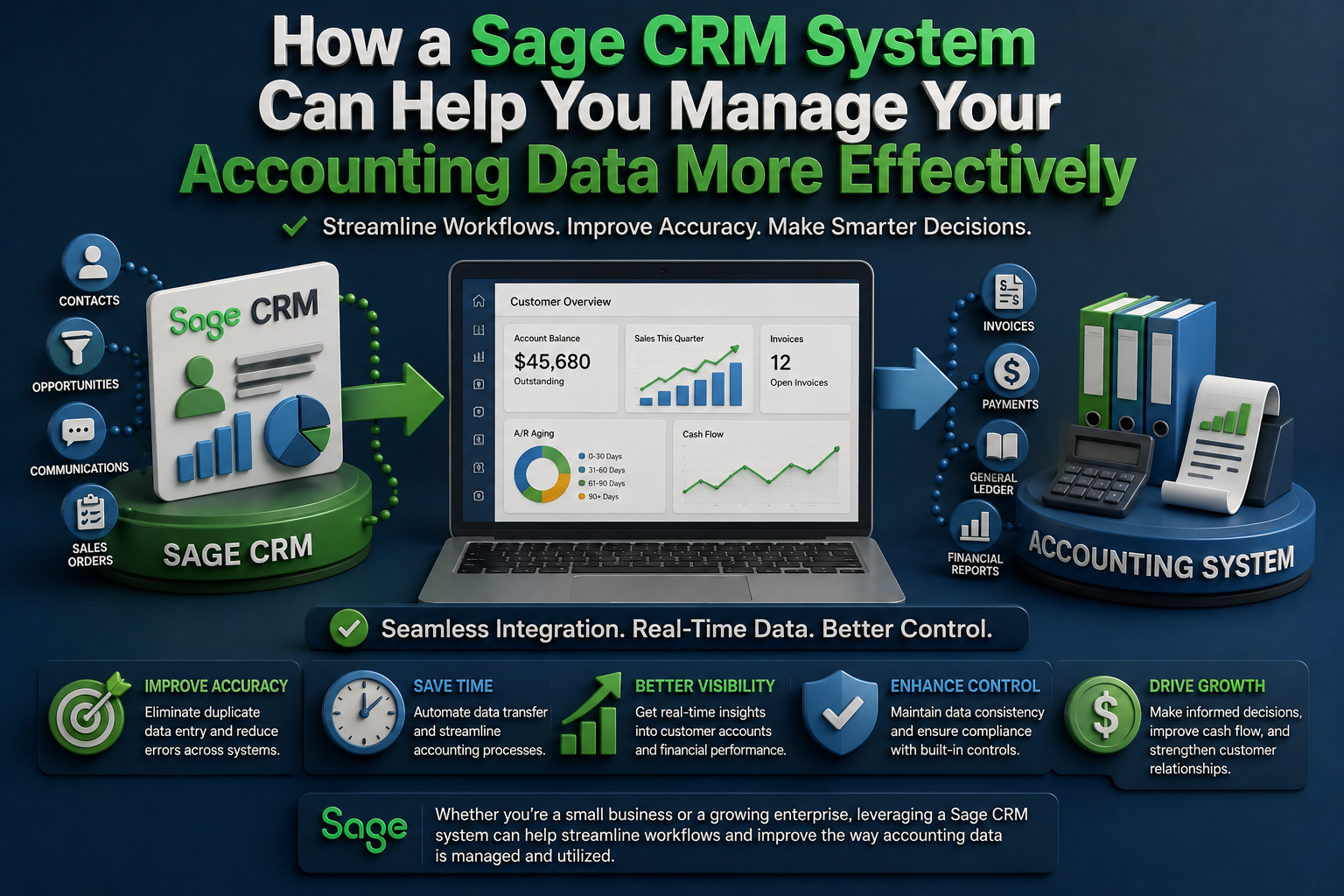
How a Sage CRM System Can Help You Manage Your Accounting Data More Effectively
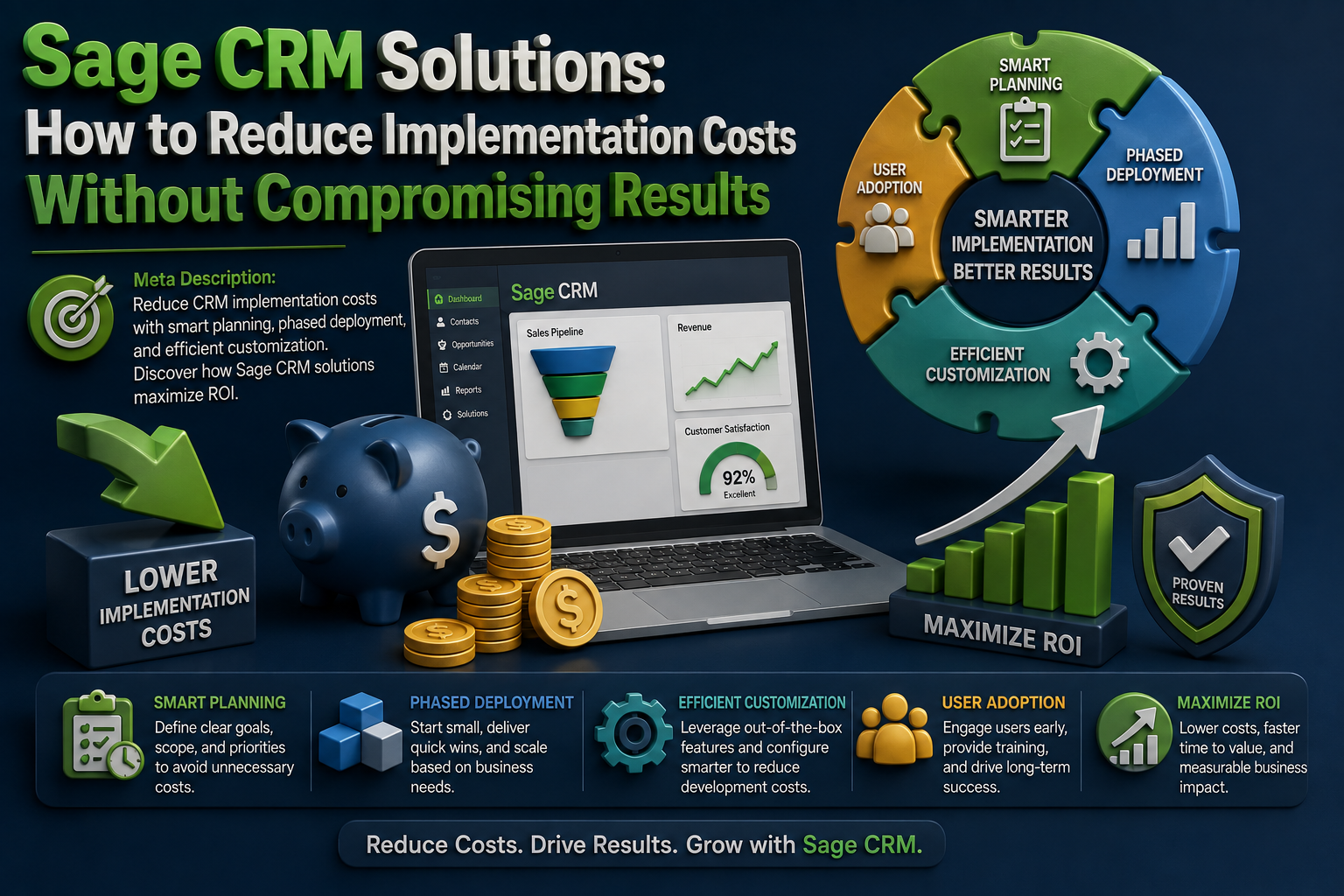
Sage CRM Solutions: How to Reduce Implementation Costs Without Compromising Results