

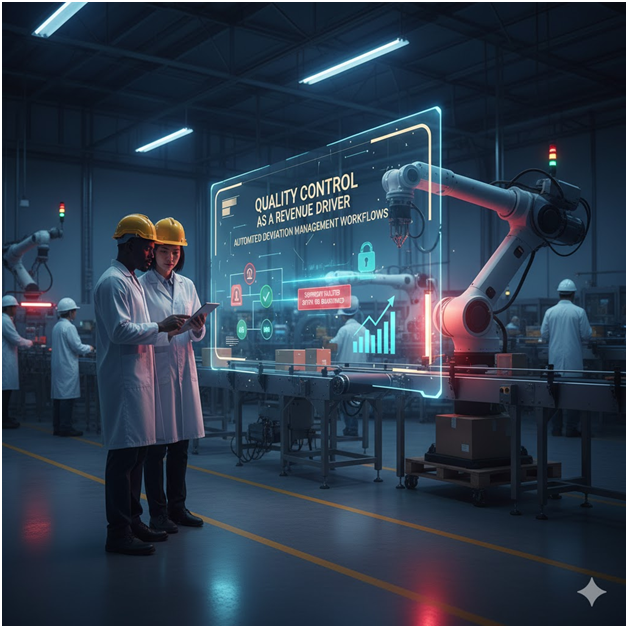
In today’s competitive landscape, every manufacturer faces the same challenge: how to minimize waste, maximize acceptable yields, and ensure every product leaving the facility meets the highest standards.
For too long, Quality Control (QC) has been viewed simply as a cost center—a necessary expenditure to keep the regulators happy. However, leading companies are shifting their perspective, recognizing that modern, automated QC isn’t just about compliance; it’s about protecting and driving revenue.
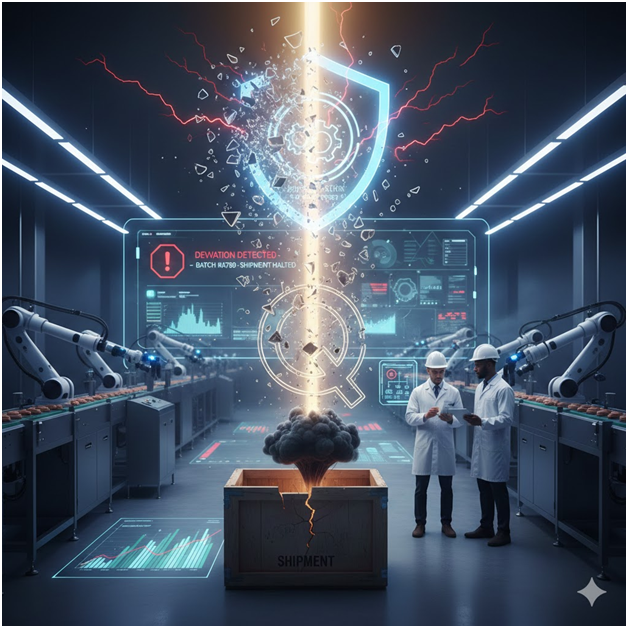
Imagine this all-too-common scenario: An inspection fails to meet a critical standard (e.g., microbial contamination, incorrect weight, or foreign material).
In the food, beverage, and pharma industries, this delay is unacceptable. A single error can lead to a costly recall, wasted batches, and catastrophic damage to your brand reputation.
Automating your Quality Control (QC) and deviation management is the essential upgrade for modern manufacturing. By integrating your inspection data directly into your workflow system, you gain the power of instant, automated action.
1. Instant Flagging and Shipment Stops:
When a failed inspection event is recorded (e.g., a reading outside the tolerance range), the system doesn’t wait for a human to hit “send.” It instantly flags the specific batch or lot number. For example, if a machine vision system detects a packaging defect, the system can immediately:
2. Triggering Corrective Actions (CAPA):
The automated workflow instantly notifies the necessary personnel—maintenance, production managers, and QC supervisors. It simultaneously initiates the Corrective and Preventive Action (CAPA) process. This ensures accountability and speeds up root cause analysis, moving you from reacting to problems to proactively solving them.
3. Maximizing Acceptable Yield/Batches:
When deviations are caught early, you limit the amount of product affected. By instantly isolating the issue, you protect the vast majority of the batch that was compliant. This directly minimizes waste, improves resource utilization, and drives profitability. Automated QC turns losses into acceptable yield.
4. Bulletproofing Brand Protection and Food Safety Workflows:
For consumers, trust is everything. Automated workflows provide a clear, auditable trail of every action taken in response to a deviation. This level of rigor is vital for food safety workflows and regulatory compliance, demonstrating that you have full control over your processes and take immediate action to protect public health and your brand.
Manual, slow, and disconnected QC processes are no longer tenable in a high-speed, high-stakes manufacturing environment. Automated deviation management is the key to ensuring you catch issues before they turn into losses, recalls, or reputation-damaging crises.
This guide provides the foundational steps and flowcharts you need to begin integrating these vital systems and shift your Quality Control from a cost into a strategic, revenue-generating asset.
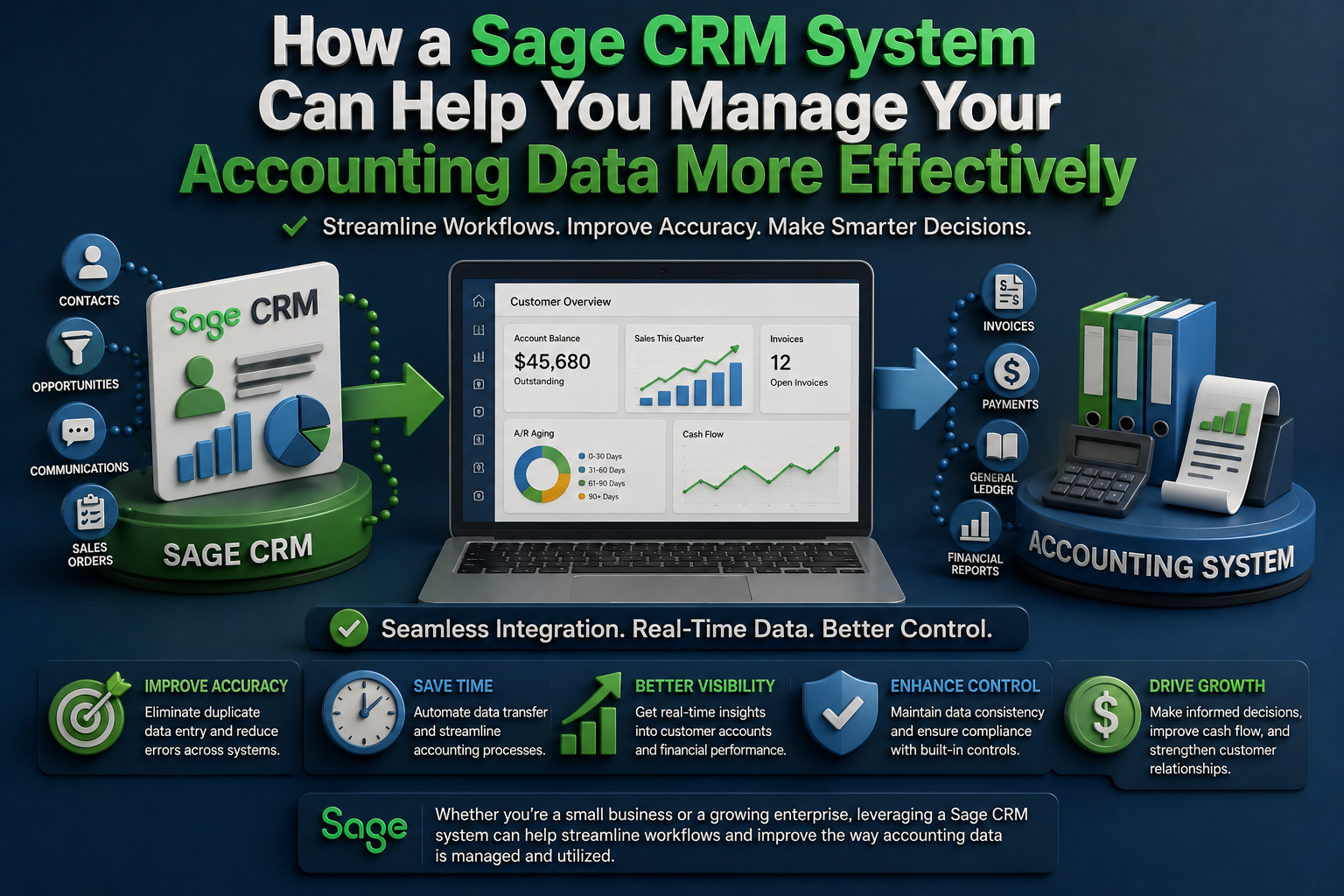
How a Sage CRM System Can Help You Manage Your Accounting Data More Effectively
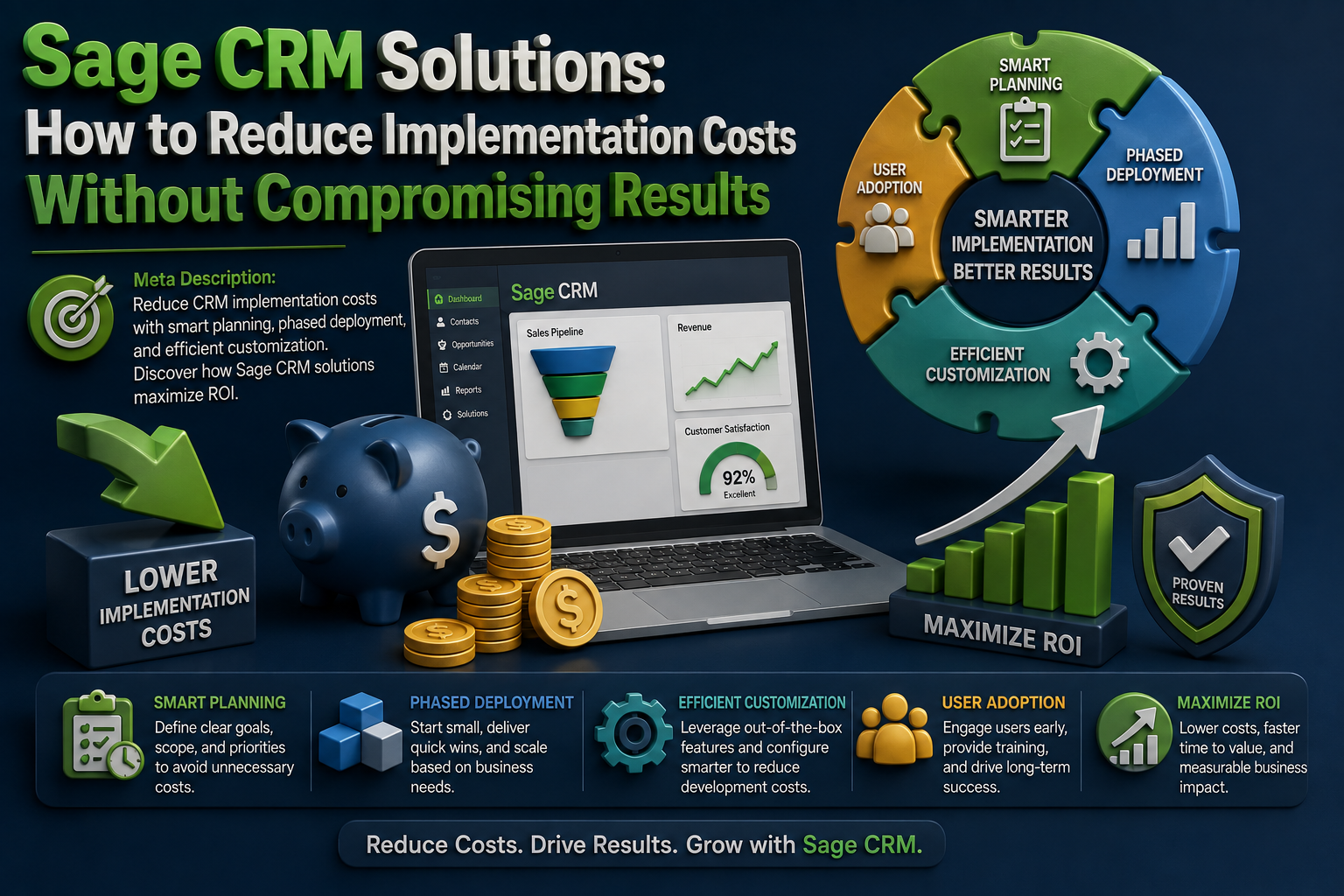
Sage CRM Solutions: How to Reduce Implementation Costs Without Compromising Results
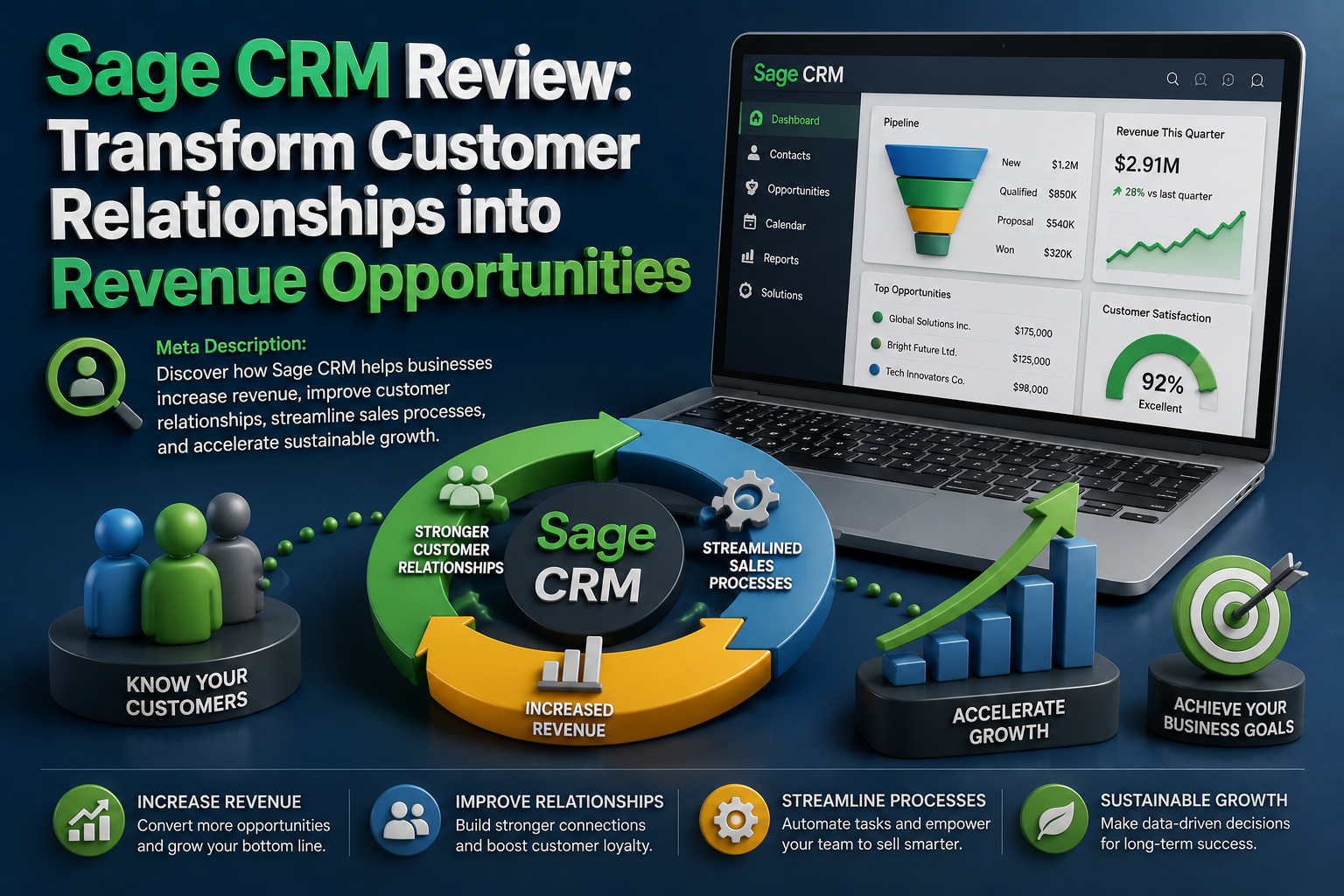
Sage CRM Review: Transform Customer Relationships into Revenue Opportunities
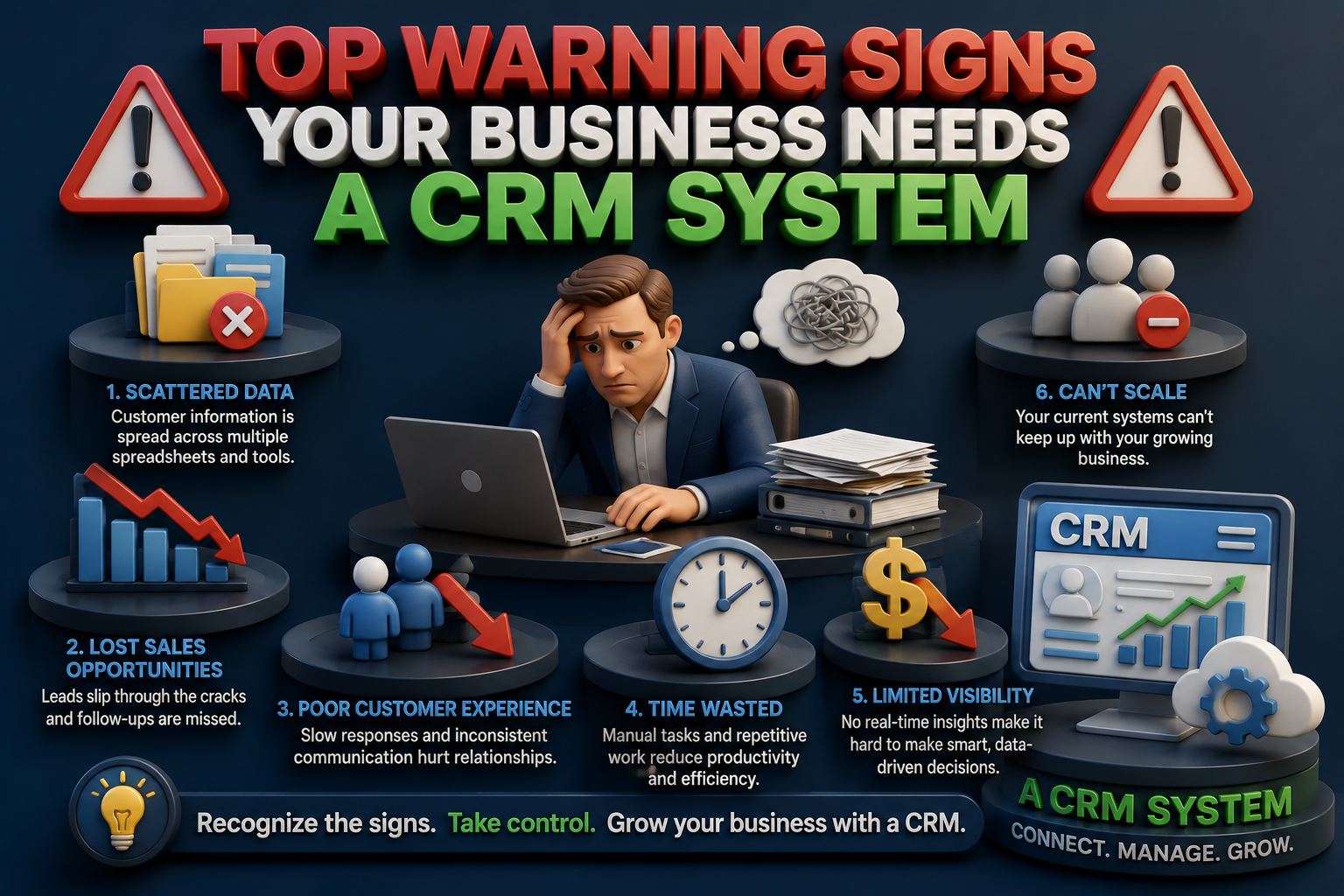
Top Warning Signs Your Business Needs a CRM System
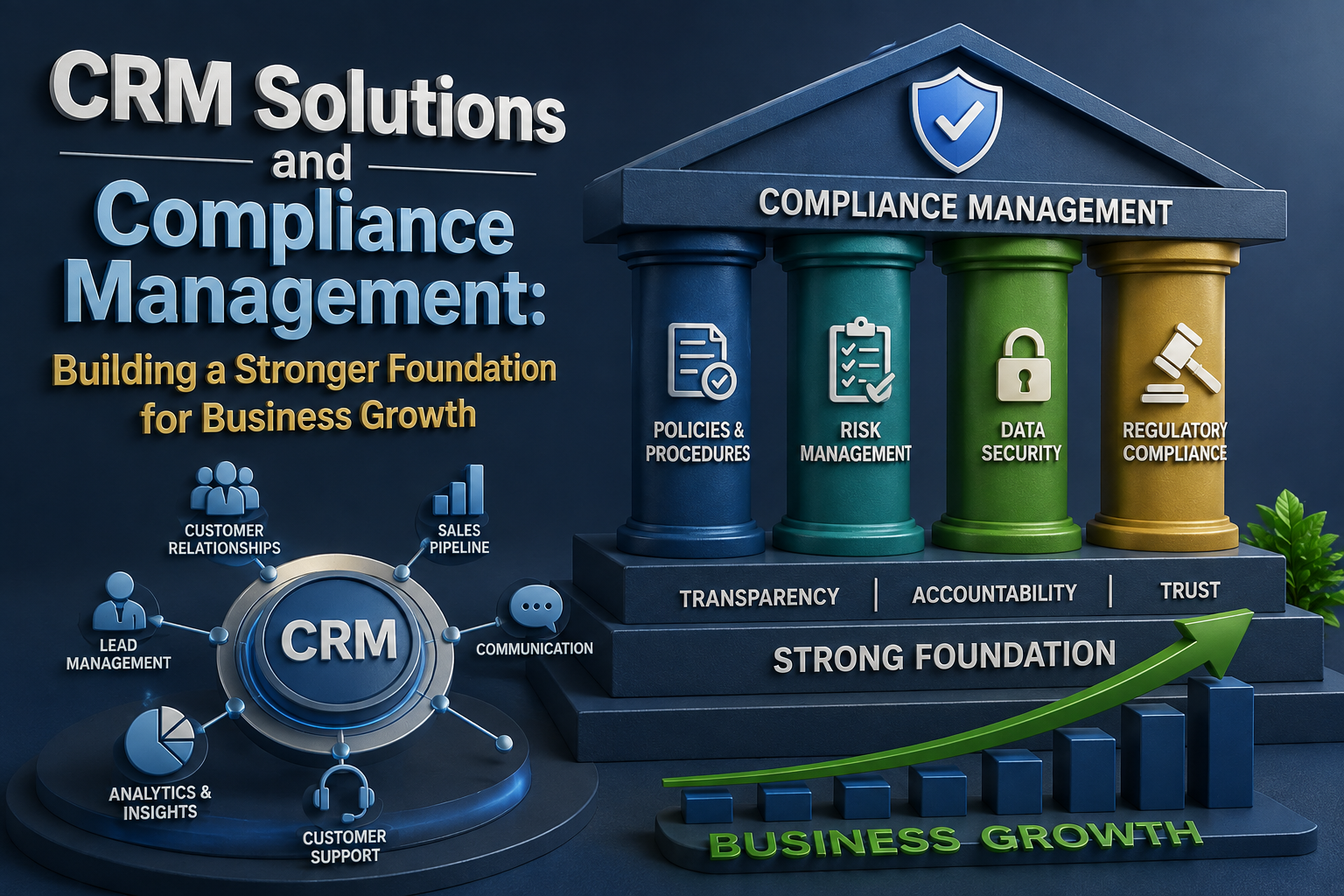
CRM Solutions and Compliance Management: Building a Stronger Foundation for Business Growth