

In today’s fast-paced global economy, market volatility is a constant threat to profitability, especially for businesses dealing with commodities. Price swings in raw materials can erode margins quickly, turning a promising quarter into a struggle. But what if you could not only react to these changes but anticipate them? The key lies in leveraging real-time data through a unified system for smart commodity risk management.
The Power of Immediate Visibility
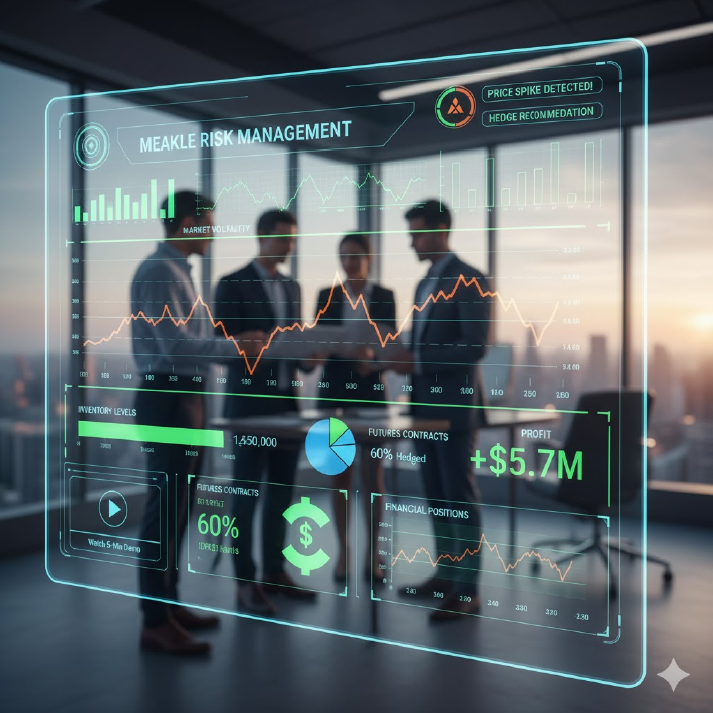
Effective commodity risk management hinges on having a complete, up-to-the-minute picture of your exposure. Traditional, fragmented systems simply can’t keep up, leading to delayed decisions and reactive strategies. A modern, unified system, typically built within or integrated with an ERP (Enterprise Resource Planning) solution, changes the game by providing immediate visibility across three critical areas:
1. Inventory: Knowing exactly what you have on hand, its location, and its current value is the foundation. Real-time tracking allows you to accurately assess your physical exposure to market changes.
2. Futures Contracts: Your hedging instruments, such as futures contracts, are dynamic. A unified system instantly reflects changes in their market value, enabling you to see how your hedges are performing against your physical positions.
3. Financial Positions: This integrates the monetary impact of both your inventory and your contracts, giving you a clear, consolidated view of your overall P&L (Profit and Loss) and exposure to market risk.

Proactive Hedging and Better Risk Exposure Management
With this unified, real-time reporting, you move from a reactive stance to a proactive one. This holistic view is the difference between simply knowing you lost money and being able to mitigate that loss before it happens.
● Proactive Hedging: When a sudden spike or dip in commodity prices occurs, the system immediately highlights how this affects your net position (inventory $\pm$ contracts). This allows your risk management team to execute a timely, precise hedge—buying or selling futures contracts—to stabilize your margins.
● Better Risk Exposure Management: By continuously monitoring your financial positions against predetermined risk limits, the system provides alerts when your exposure crosses a threshold. You can instantly drill down to understand the cause, whether it’s an unhedged portion of inventory or an imbalance in your contract portfolio, and take corrective action.
The goal isn’t just to manage risk, but to protect your profits from market swings by making data-driven decisions that are seconds old, not days old.
See It in Action: Real-Time Risk Dashboarding
Understanding the concept is one thing; seeing the mechanism at work is another. An integrated ERP system’s real-time risk dashboard visualizes all this complex data into a simple, actionable format. It’s the cockpit for your commodity risk strategy.
Ready to see how fast, accurate data can transform your operations and secure your margins?
Watch a 5-minute video demo on real-time risk dashboarding in an integrated ERP and discover how to gain the competitive edge in mitigating volatility. ➡️
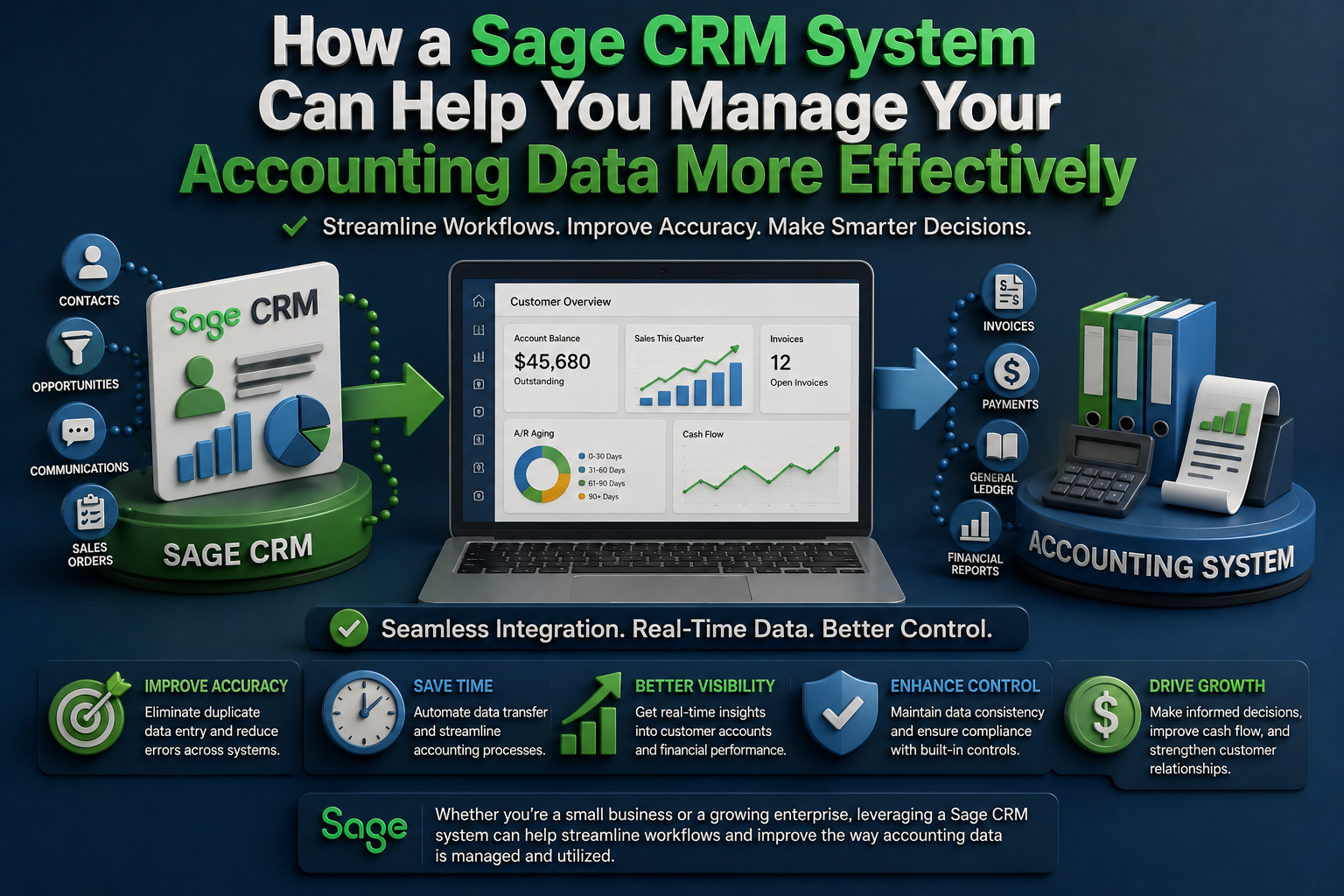
How a Sage CRM System Can Help You Manage Your Accounting Data More Effectively
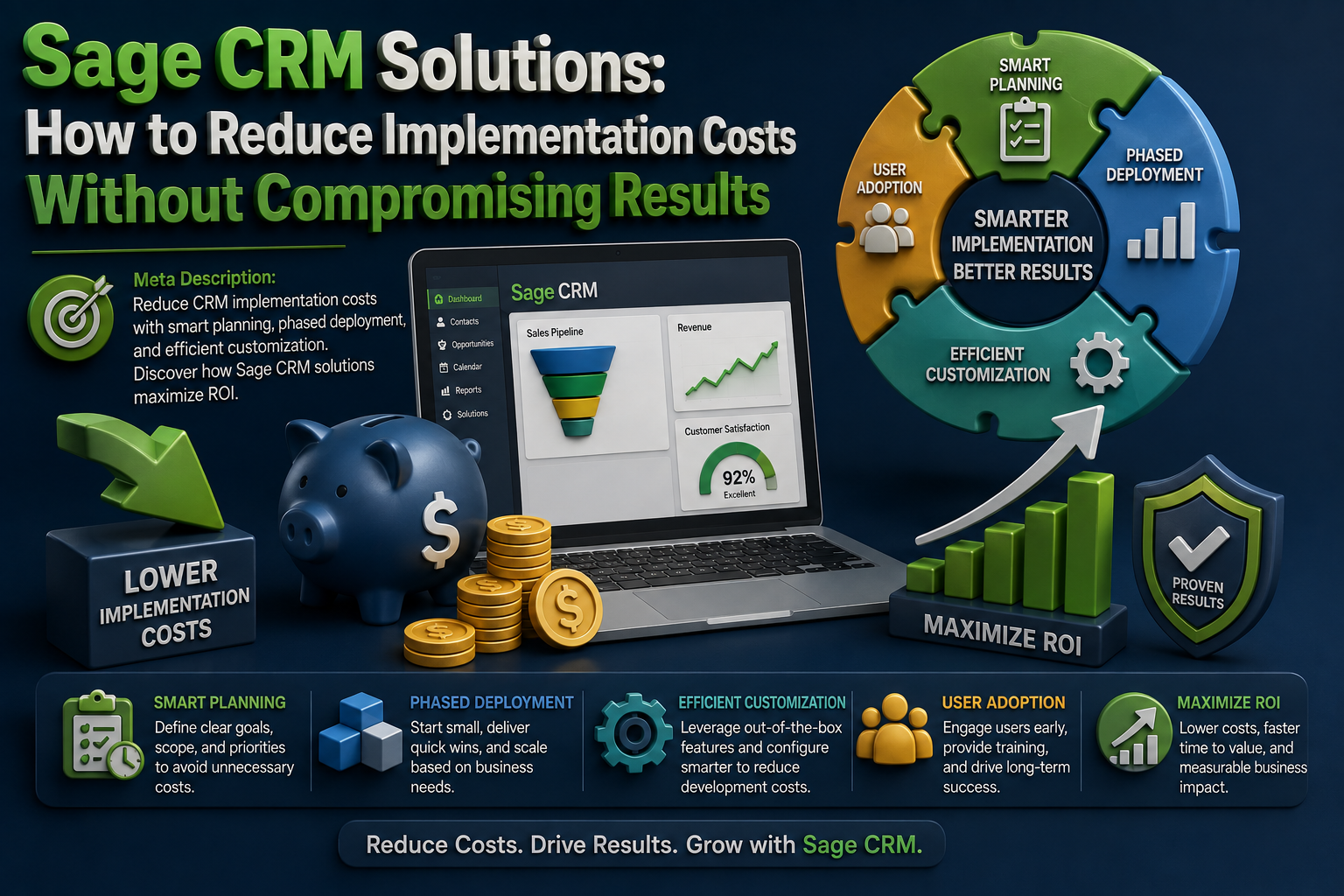
Sage CRM Solutions: How to Reduce Implementation Costs Without Compromising Results
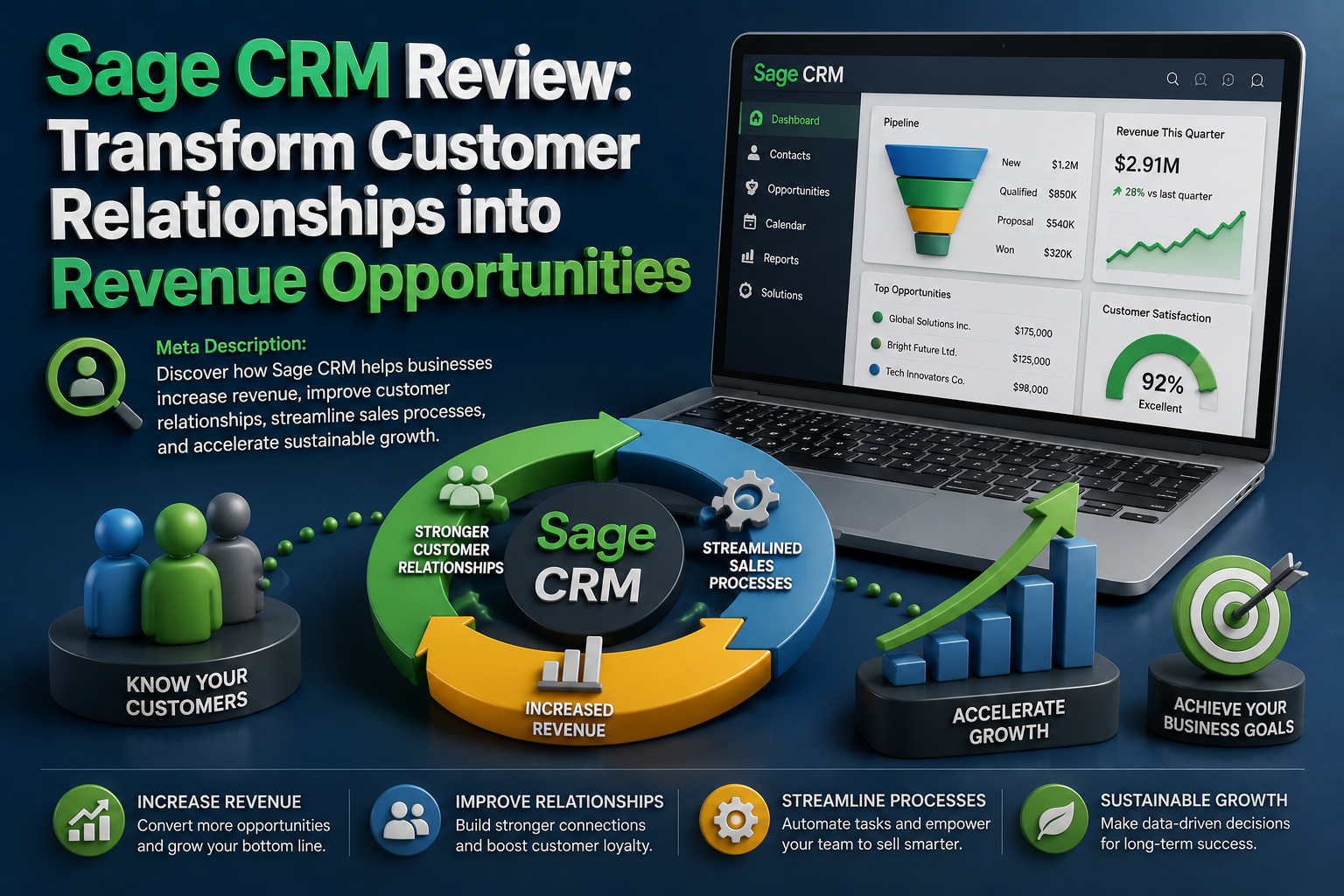
Sage CRM Review: Transform Customer Relationships into Revenue Opportunities
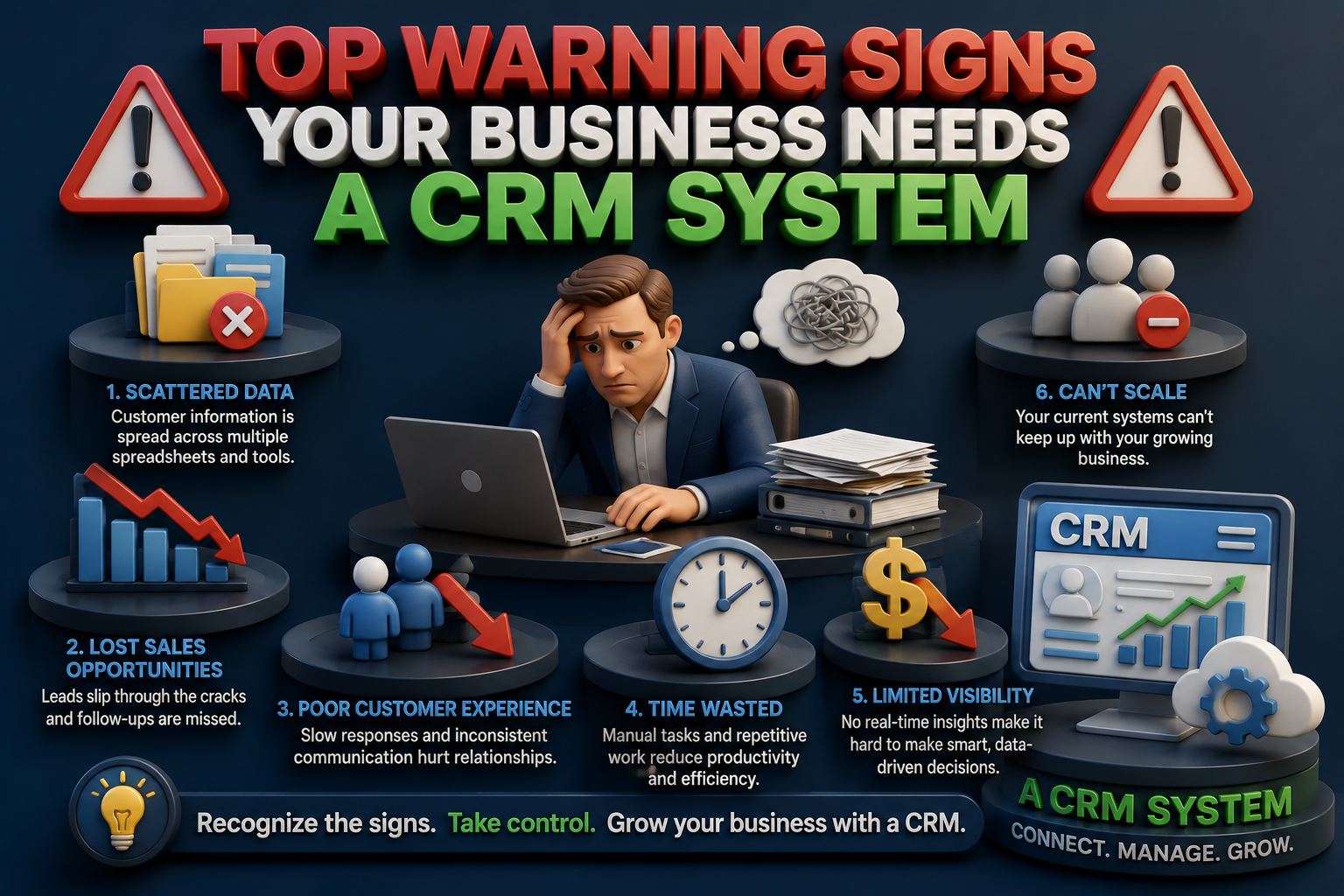
Top Warning Signs Your Business Needs a CRM System
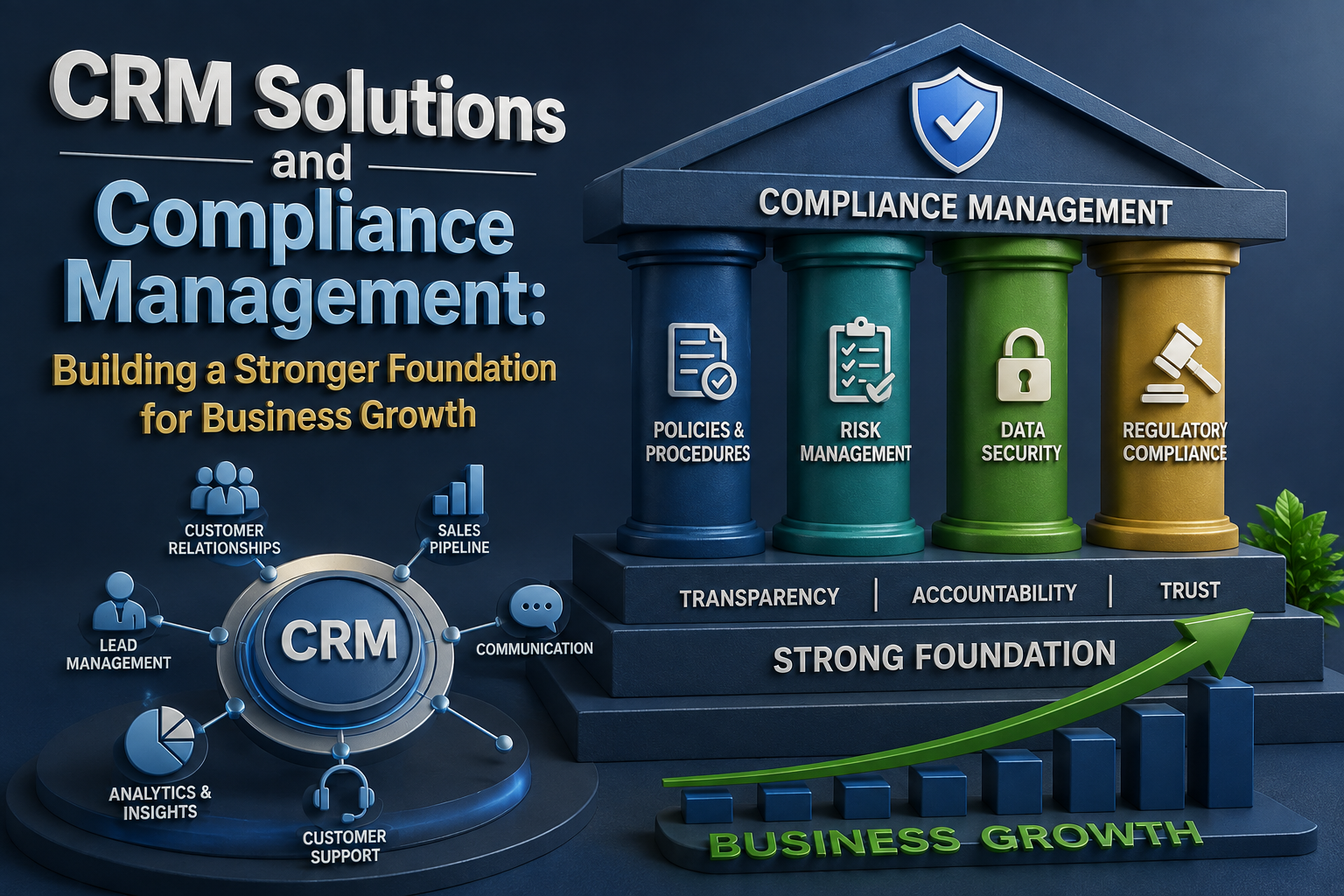
CRM Solutions and Compliance Management: Building a Stronger Foundation for Business Growth