
CRM-ERP Integration, Break Down Silos. Accelerate Growth

CRM-ERP Integration, Break Down Silos. Accelerate Growth

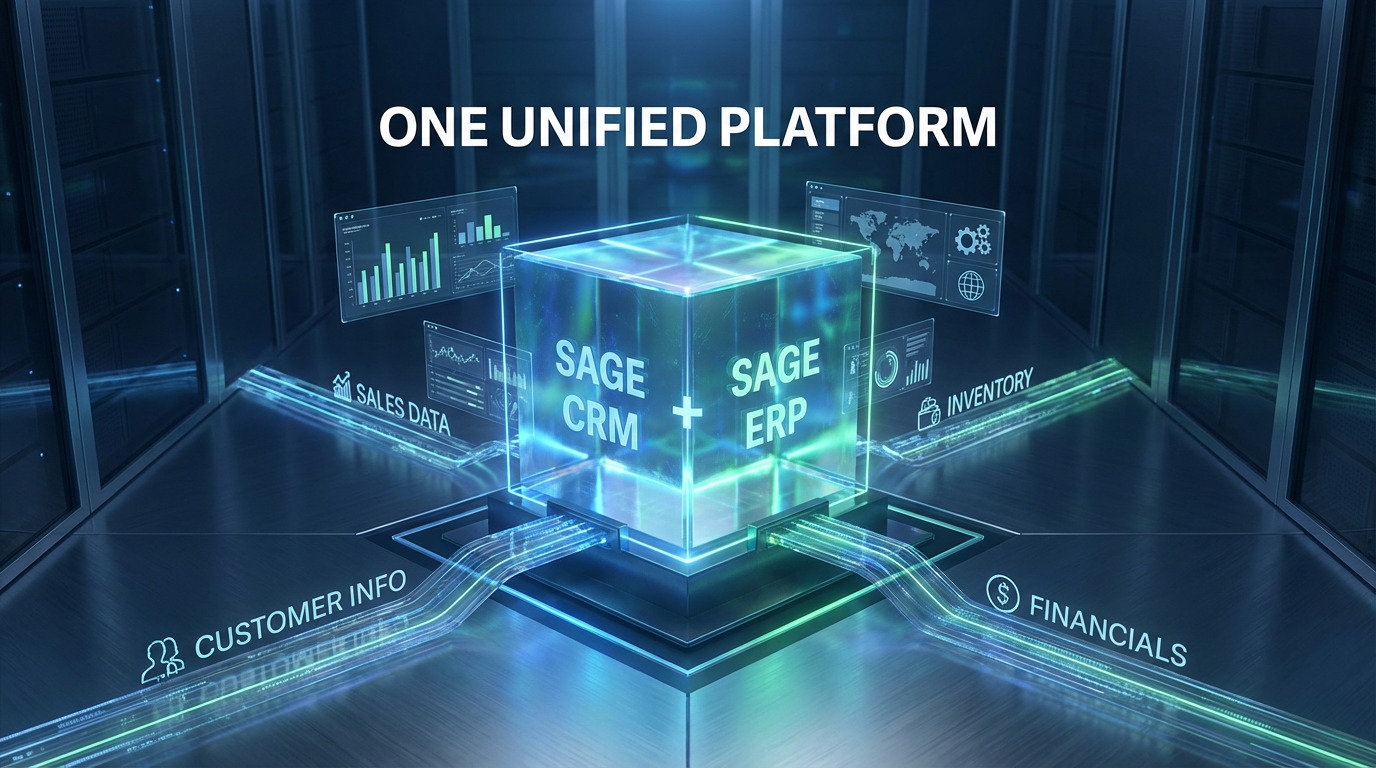
In the digital economy, businesses are under constant pressure to deliver exceptional customer experiences while maintaining operational efficiency. Two systems often sit at the heart of this effort: Customer Relationship Management (CRM) and Enterprise Resource Planning (ERP). CRM focuses on building and nurturing customer relationships, while ERP manages the backbone of operations such as finance, inventory, and supply chain.
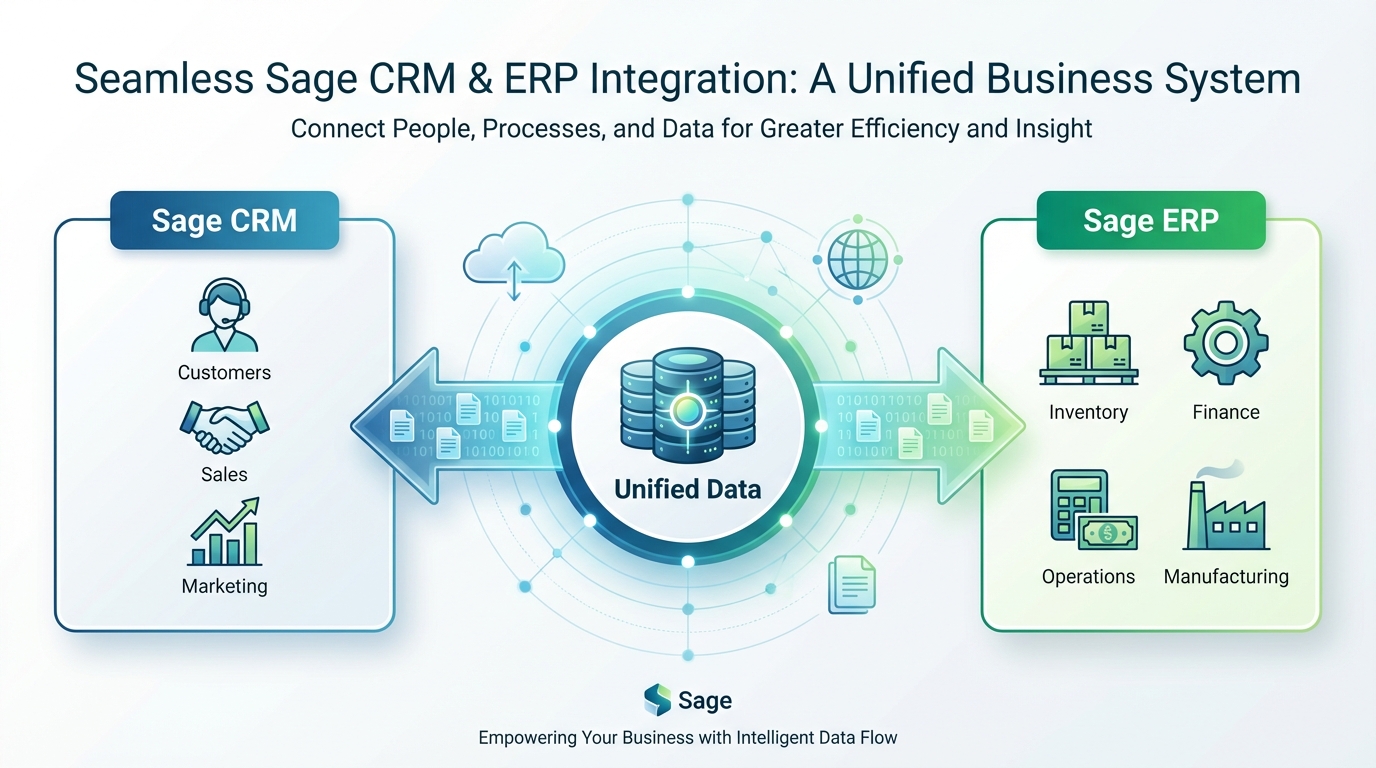
When these systems operate in isolation, companies face inefficiencies, data duplication, and missed opportunities. CRM ERP integration solves this by creating a unified ecosystem where customer‑facing and operational data flow seamlessly. This integration is not just a technical upgrade—it’s a strategic move that can redefine how a business grows and competes.


How Does CRM ERP Integration Work?

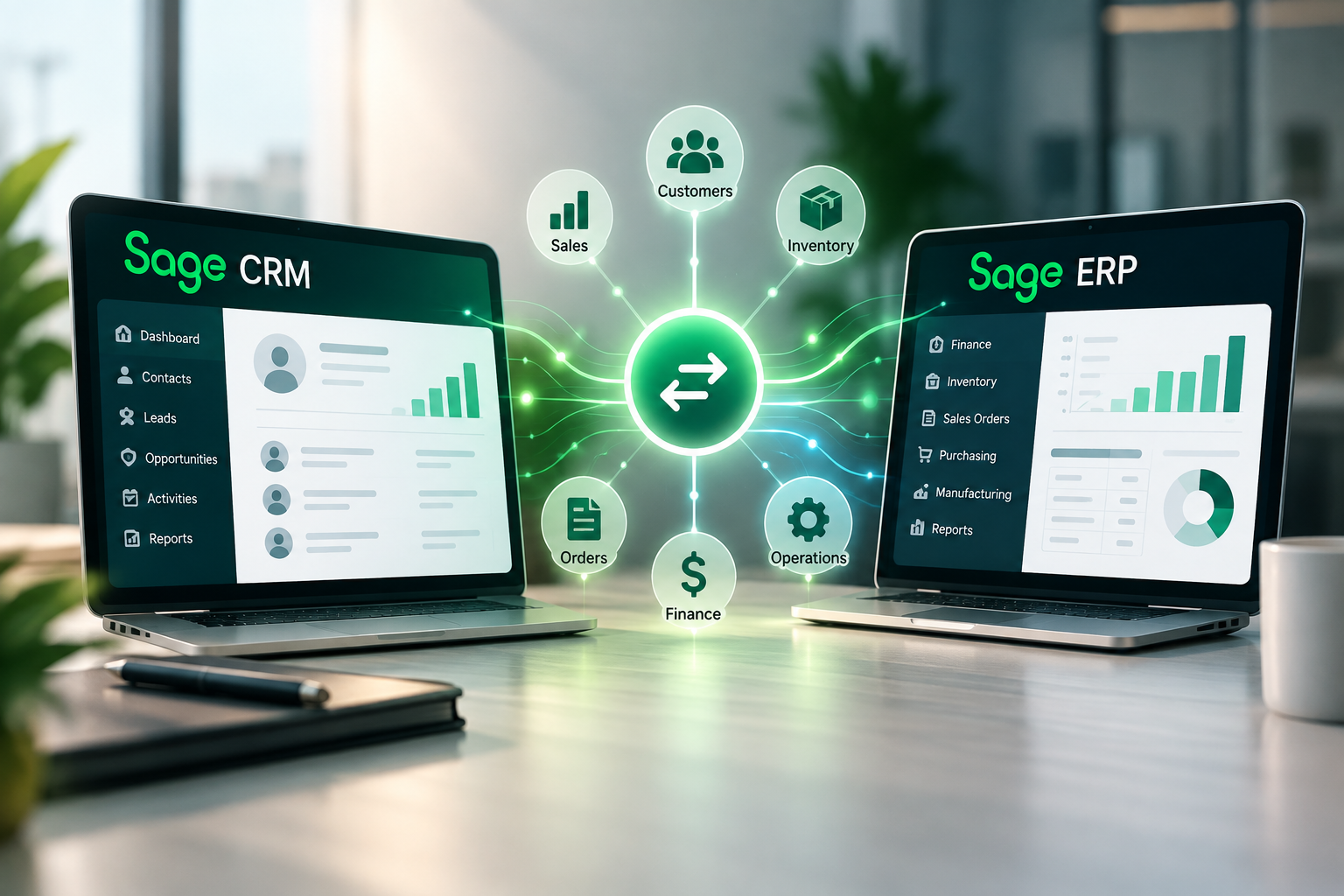
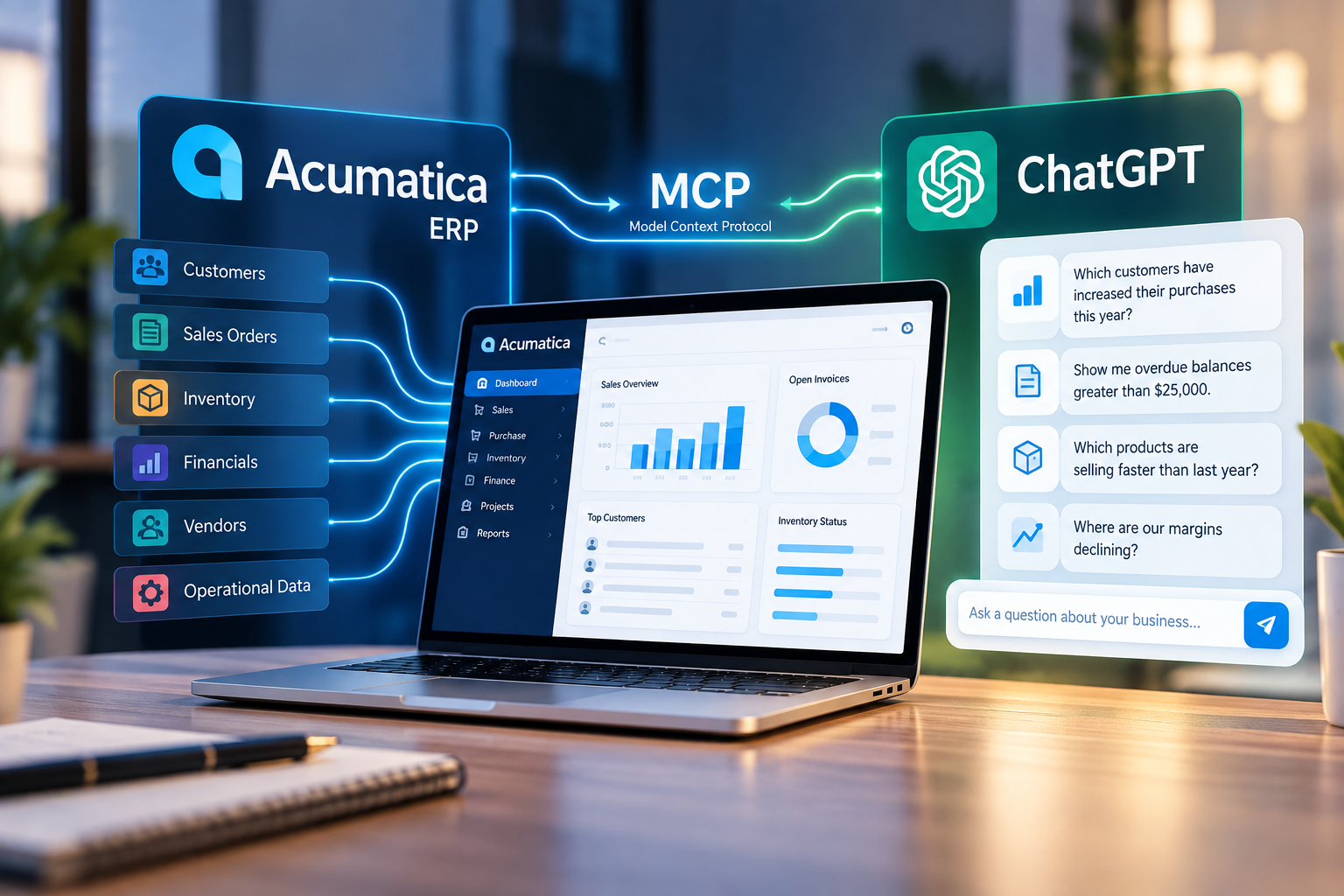
CRM ERP integration connects two distinct systems so they can share information automatically.

  • Data Synchronization: Customer orders placed in CRM are instantly reflected in ERP, updating inventory and financial records.
  • Real‑Time Access: Sales teams can check stock availability or delivery timelines directly from CRM without logging into ERP.
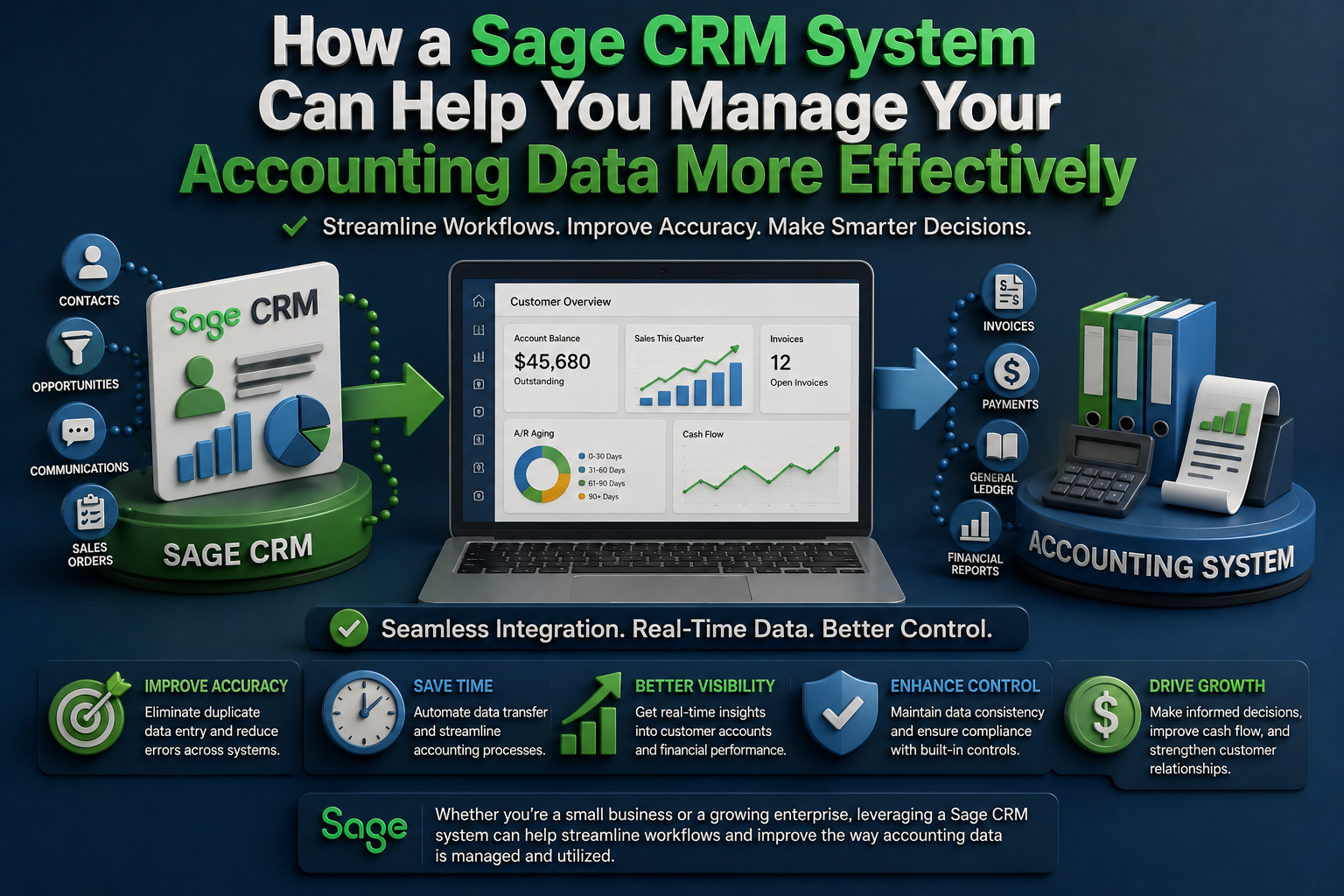
  • Automated Workflows: Invoices generated in ERP can be linked to customer accounts in CRM, ensuring billing and service teams work with the same data.

Think of integration as building a digital bridge. Instead of employees manually transferring information between systems, data flows continuously, reducing errors and speeding up processes.

How They Function Independently and the Challenges

  • CRM Alone

Strengths: Tracks leads, manages customer interactions, improves sales forecasting, and supports marketing campaigns.

Limitations: Cannot provide visibility into inventory, procurement, or financial health.

  • ERP Alone

Strengths: Streamlines internal processes, manages resources, reduces costs, and ensures compliance.

Limitations: Offers limited customer insights, making it harder to personalize experiences or anticipate customer needs.

  • Challenges Without Integration
    • Data Duplication: Employees often enter the same data into both systems, increasing the risk of errors.
    • Delayed Decisions: Sales teams may promise delivery dates without knowing actual stock levels.
    • Customer Frustration: Service teams may lack access to billing or shipping details, leading to slower issue resolution.

Operating these systems independently creates silos that hinder collaboration and growth.

Why Unified Systems are Critical to Growth?

A unified CRM ERP system is more than convenience—it’s a growth enabler.

  • Customer Experience: Customers receive accurate information about product availability, delivery timelines, and billing. This builds trust and loyalty.
  • Efficiency Gains: Automated workflows reduce manual tasks, freeing employees to focus on strategic work.
  • Strategic Insights: Unified data provides a 360‑degree view of both customers and operations, enabling better forecasting and smarter decision‑making.
  • Scalability: As businesses grow, integrated systems can handle larger volumes of data without breaking down.

Integration ensures that every department—from sales to finance to operations—works toward the same goals with the same information.

What Are the Different ERP CRM Integration Methods?

Businesses can achieve CRM ERP integration through several approaches, each with unique strengths:

  • Point‑to‑Point Integration
    • Directly connects CRM and ERP.
    • Best for small businesses with limited data exchange needs.

Challenge: Becomes complex and fragile as systems scale.

  • Middleware Integration
    • Uses a third‑party platform to manage data flow.
    • Offers flexibility, scalability, and reduced compatibility issues.
    • Ideal for businesses with multiple systems beyond CRM and ERP.
  • Custom API Integration
    • Tailored connections built using APIs.
    • Highly customizable to meet unique business requirements.
    • Requires technical expertise and ongoing maintenance.
  • Native Integration
    • Some vendors offer built‑in integration features.
    • Simplifies deployment and reduces costs.
    • Limited to vendor ecosystems, which may restrict flexibility.

Choosing the right method depends on business size, budget, and long‑term scalability goals.

The Benefits of ERP and CRM Integration

The advantages of CRM ERP integration extend across all departments:

  • Data Accuracy: Eliminates duplicate entries and ensures consistency.
  • Faster Order Processing: Sales teams can confirm availability instantly, reducing delays.
  • Enhanced Collaboration: Marketing, sales, finance, and operations share a single source of truth.
  • Better Forecasting: Unified data improves demand planning and financial projections.
  • Customer Loyalty: Personalized experiences and reliable service foster stronger relationships.
  • Cost Savings: Reduced manual work and improved efficiency lower operational expenses.
  • Compliance and Reporting: Integrated systems simplify audits and regulatory reporting by consolidating data.

Common Use Cases for CRM‑ERP Integration

Businesses across industries leverage CRM ERP integration in practical ways:

  • Order Management: Sales teams in CRM access ERP inventory data to provide accurate delivery timelines.
  • Customer Service: Support agents view ERP billing and shipping details directly within CRM, resolving issues faster.
  • Financial Management: Finance teams reconcile customer payments and invoices seamlessly across both systems.
  • Supply Chain Visibility: Operations teams align procurement and production with real‑time sales forecasts.
  • Marketing Campaigns: Marketers use ERP data to target campaigns based on product availability and profitability.
  • Manufacturing: Production schedules in ERP are aligned with customer demand tracked in CRM.
  • E‑Commerce: Online orders captured in CRM are automatically processed in ERP, ensuring smooth fulfillment.

These use cases demonstrate how integration enhances both customer satisfaction and operational efficiency.

Conclusion

CRM ERP integration is not just about connecting two systems—it’s about creating a unified business strategy. By linking customer‑facing and operational platforms, companies gain real‑time visibility, streamline processes, and deliver exceptional customer experiences. Whether through point‑to‑point, middleware, API, or native integration, the benefits are clear: efficiency, accuracy, and scalability.

If your business is ready to unlock the full potential of CRM ERP integration, explore tailored solutions at crmsystems.net. Their expertise can help you choose the right integration method and ensure your systems work together seamlessly to drive success.
Popular Posts

sage crm workflow

Streamlining Business Processes with Sage CRM Workflow

April 17, 2026
Sage CRM Sales Strategy Plan for Businesses

How to Build a Sage CRM Sales Strategy Plan for Businesses?

April 16, 2026
Sage CRM software

How Sage CRM Software Empowers SMEs to Build Stronger Customer Relationships?

April 14, 2026
Sage CRM cloud

Why Businesses Must Opt for Sage CRM Cloud?

March 20, 2026
sage CRM sage x3

Driving Digital Transformation with Sage CRM and Sage X3

March 19, 2026

Book Your Initial Consultation

BOOK NOW
Chat with us

    Hi! Have a question? We're here to help.